


Your Monsoon Herb Garden Starter Kit
The arrival of the monsoon is a magical time in India, bringing relief from the summer heat and transforming the landscape into a lush green paradise. While it might seem counterintuitive, this season is perfect for beginner gardeners. The increased humidity,
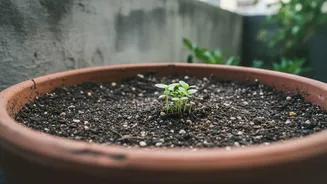
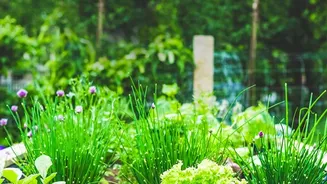
moderate temperatures, and regular rainfall create ideal conditions for many plants to thrive. However, the key to a successful monsoon garden, especially on a balcony or windowsill, is managing drainage. Ensure every pot has drainage holes to prevent waterlogging, which can lead to root rot. Use a light, well-draining soil mix—a combination of garden soil, compost, and coco-peat or sand works wonders. With these basics in place, you’re ready to grow a supply of fresh herbs that will elevate your monsoon meals.
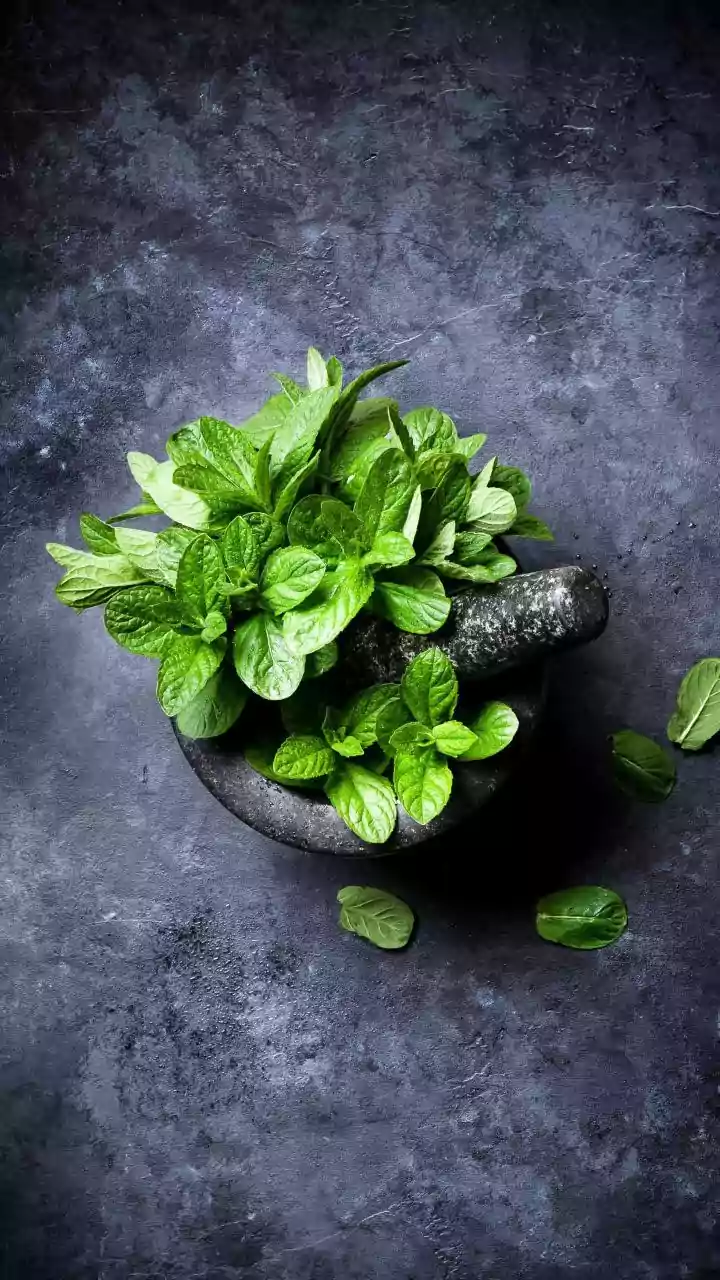
Mint (Pudina)
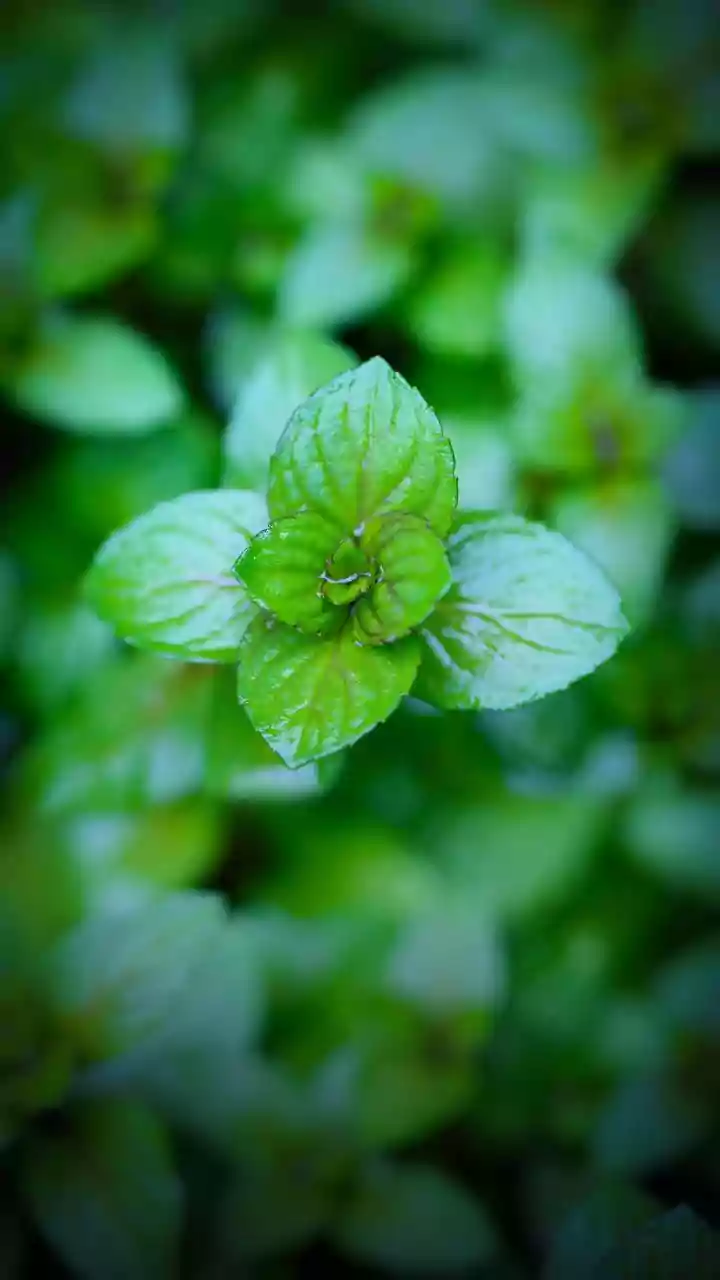
A staple in Indian households for chutneys, teas, and garnishes, mint is one of the easiest herbs to grow during the monsoon. It actually prefers partial shade and consistently moist soil, making the rainy season its happy place. Mint is an aggressive grower, so it's best to plant it in a separate container to prevent it from taking over your other pots. You can easily propagate mint from a healthy cutting bought from the market. Simply place the stem in water, and within a week or two, you’ll see roots emerge, ready for transplanting into a pot. Keep the pot in a spot that receives some gentle morning sun but is shielded from heavy downpours. Harvest leaves regularly to encourage bushier growth.
Coriander (Dhania)
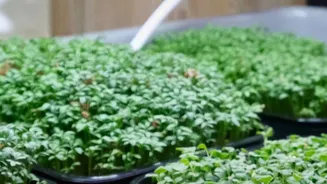
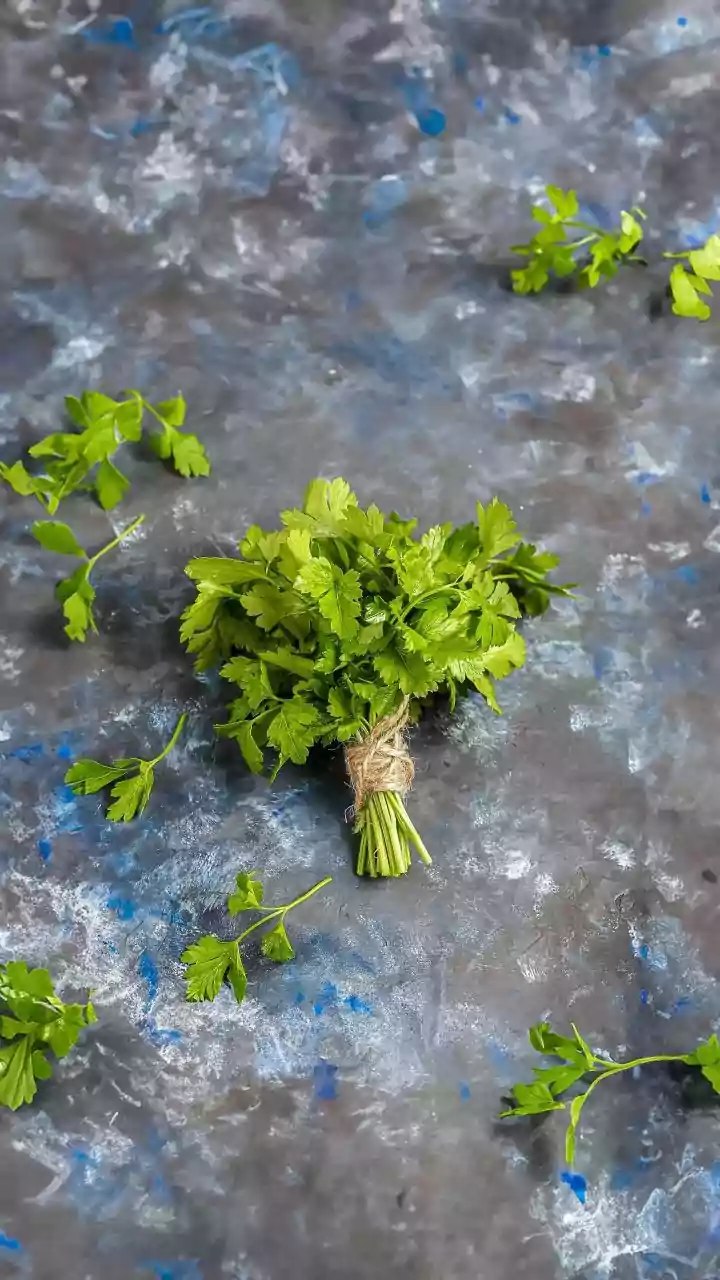
There's nothing quite like the taste of fresh coriander, and the monsoon is an excellent time to grow your own. This herb thrives in the cooler, moist weather that the season brings. Coriander prefers partial sunlight, as too much direct heat can cause it to bolt, or flower prematurely. To get started, gently crush whole coriander seeds to split them, then soak them overnight to speed up germination. Sow the seeds in a wide pot with well-draining soil. You should see sprouts in about a week. The biggest challenge with coriander is overwatering. Check the soil before watering; if the top inch feels dry, it’s time for a drink. Otherwise, the rain may provide all the moisture it needs.
Lemon Balm
A member of the mint family, lemon balm is a delightful herb known for its citrusy fragrance and flavour, perfect for teas and salads. It is remarkably easy to cultivate during the monsoon. While it enjoys sunlight, it is highly tolerant of shady areas, especially with proper care. Like most monsoon herbs, it requires well-drained soil to prevent its roots from becoming waterlogged. You can grow it from seeds or cuttings in a pot. Its refreshing scent not only adds to the garden's aroma but can also have a calming effect. Pluck the leaves as needed to add a zesty, lemony twist to your culinary creations.
Tulsi (Holy Basil)
No Indian herb garden is complete without Tulsi. Revered for its medicinal properties, it’s particularly useful during the monsoon for boosting immunity. Tulsi grows vigorously in the rainy season but needs some care. It requires sunlight, but not the harsh, direct sun of summer. A spot that gets a few hours of gentle light is ideal. The most critical factor for Tulsi during the monsoon is avoiding overwatering. Water only when the top layer of the soil feels dry to the touch. It’s also wise to protect the plant from continuous, heavy rain, which can damage its leaves and lead to fungal issues. Regularly pinching off the flowering heads will encourage the plant to produce more of its valuable leaves.
Parsley
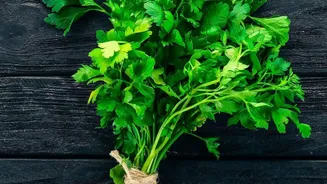
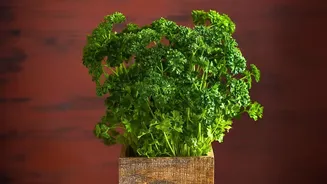
Often used as a garnish, parsley is a versatile herb that can be a star ingredient in salads, sauces, and soups. It is well-suited for growing in containers and can tolerate partial shade, making it a good candidate for a monsoon balcony garden. It prefers consistently moist soil but, like its fellow herbs, demands good drainage. Parsley seeds can be slow to germinate, so soaking them overnight before planting can help. Once the plant is established, you can harvest the outer stems, which allows the centre of the plant to continue producing new growth. This cut-and-come-again harvesting method will ensure you have a fresh supply throughout the season.