

The Sweet Spot: Understanding the Shoulder Season
The secret to a more serene and affordable Greek holiday lies in its 'shoulder seasons'. These are the periods that flank the busy, hot, and expensive peak summer months of July and August. Specifically, the shoulder seasons are late spring (May to June)
and early autumn (September to October). During these months, the weather is typically warm and pleasant, perfect for exploring ancient ruins or lounging on the beach without the intense heat of mid-summer. More importantly, the crowds have thinned out, giving you the space to breathe and experience the islands' genuine character.
The Financial Advantage
One of the most compelling reasons to travel during the shoulder season is the significant cost savings. Accommodation prices can be 20-40% lower than in July and August. Some reports even suggest savings of up to 50% on hotels and flights, especially if you visit from November to March, though many island businesses may be closed then. By sticking to the prime shoulder months of May, June, September, and October, you hit the ideal balance of lower prices and the full availability of restaurants, shops, and ferry services. This allows for a more luxurious trip on a moderate budget or simply makes the dream of a Greek getaway more accessible.
Islands for Peace and Quiet
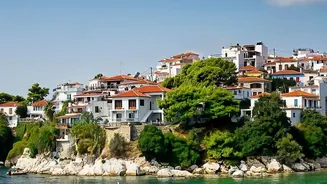
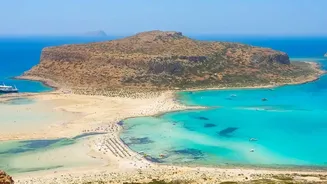
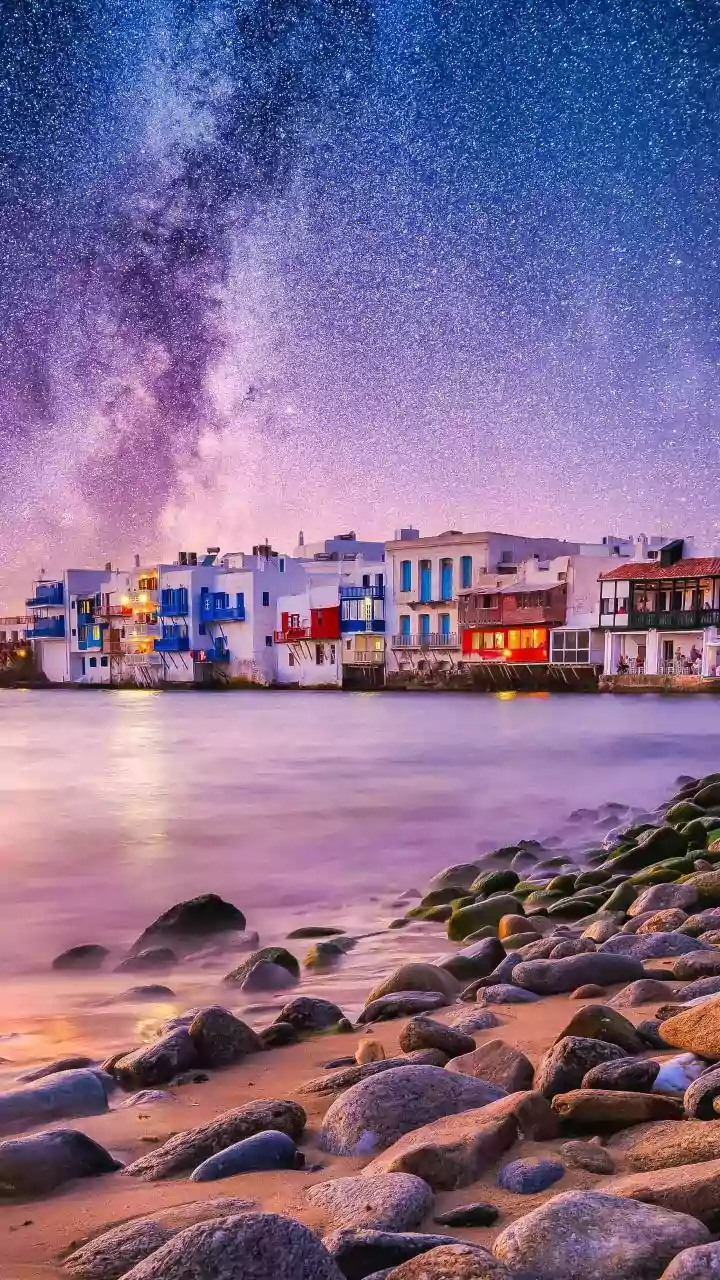
While islands like Mykonos and Santorini are famous, they remain busy for much of the year. For a truly peaceful experience, consider their quieter neighbours. Naxos offers vast, family-friendly sandy beaches and a less crowded old town. Paros, while popular, has tranquil spots like Molos and Tripiti beach that offer a calm alternative to the party scene. For dramatic landscapes and a more authentic feel, Amorgos and Folegandros are excellent choices, known for their hiking trails and secluded coves. In the Ionian Sea, Kefalonia and the quieter parts of Corfu provide lush green landscapes and hidden beaches away from the main tourist hubs.
More Than Just Beaches
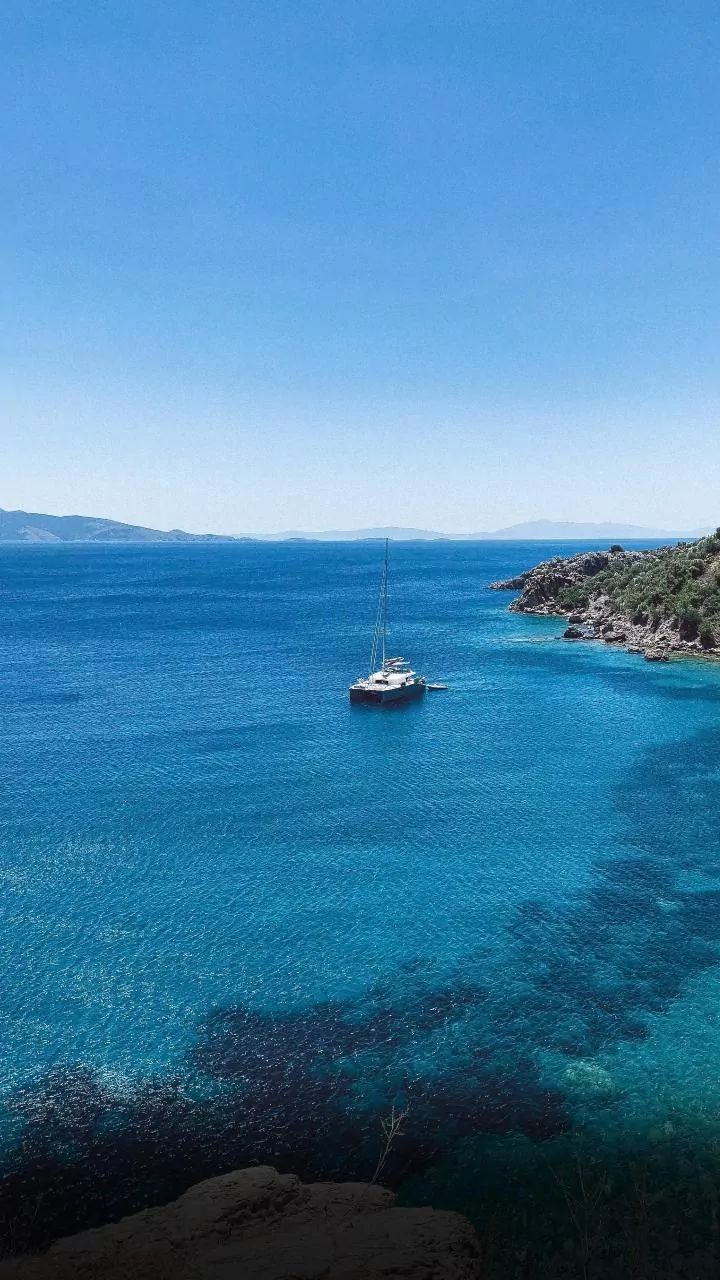
A shoulder season trip offers more than just empty sands. The sea in September is often at its warmest, having been heated by the summer sun, making it perfect for swimming. The milder temperatures in spring and autumn are ideal for activities that can be challenging in peak summer, such as hiking through Crete's gorges or exploring the hillside villages of Sifnos. It’s also a time for local culture. You might stumble upon a wine harvest festival in early autumn or enjoy seasonal dishes at a local taverna where the owner has more time to chat. This is your chance to see the local side of the islands, as the rhythm of life returns to normal after the summer rush.
What to Keep in Mind
While the benefits are numerous, there are a few trade-offs. The weather can be less predictable than in July and August; while sunny days are common, there is a chance of cooler evenings or occasional rain, especially toward the end of October. Ferry schedules may be slightly reduced compared to the high season, so it’s wise to book inter-island travel in advance. On smaller, more remote islands, some tourist-focused businesses might begin to close as October progresses. For the best experience, aim for June or September, which many seasoned travellers consider the perfect balance of great weather, open amenities, and fewer crowds.