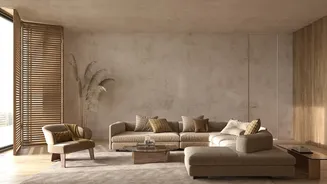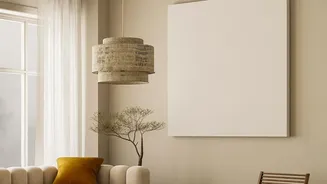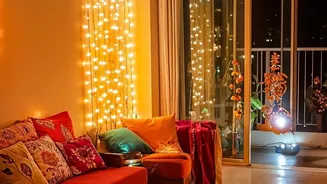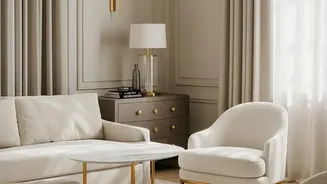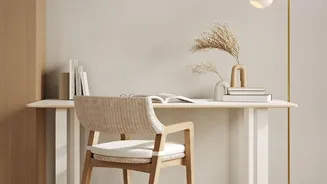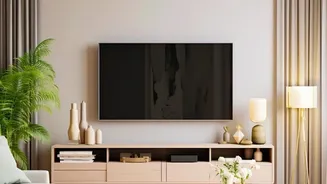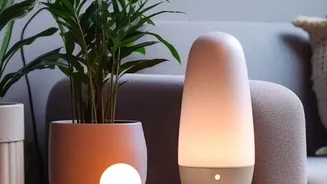



A room dressed in sophisticated neutrals can sometimes feel flat or cold, especially after sunset. The secret to transforming it into a warm, inviting sanctuary lies not in new furniture, but in the soft glow of ambient lighting.
The Science of a Cozy Glow
The magic of a warm lamp
lies in its color temperature, measured in Kelvins (K). While a high Kelvin number (4000K and above) produces a cool, blue-toned light that feels crisp and energizing, a lower Kelvin number creates a warmer, more golden glow. For living rooms, bedrooms, and other spaces designed for relaxation, lighting experts recommend a warm white range between 2700K and 3000K. This amber-toned light is reminiscent of candlelight or a sunset, which can trigger feelings of comfort and intimacy. It softens everything it touches, creating a restful atmosphere that helps you wind down.
Bringing Neutrals to Life
Neutral palettes, from creamy beiges to soft greys, are timeless for a reason, but they rely on texture and light to avoid feeling sterile. Warm ambient light is particularly effective here, as it enhances the subtle undertones in these paints. A warm bulb can pull the yellow and amber tones out of a beige or off-white wall, making it feel richer and more intentional. For grey walls, which can sometimes feel cool or flat, a warm light source prevents them from looking dull, adding depth and coziness. This interaction is crucial; the right light makes a neutral room feel layered and sophisticated rather than merely one-note.
Layering Light for Depth and Dimension
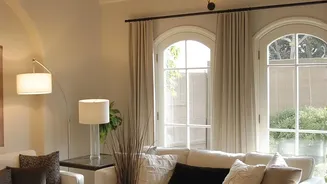
Relying on a single overhead fixture is one of the most common reasons a room feels harsh or unwelcoming. A beautifully lit space layers multiple sources of light at different heights to create 'pools' of illumination. This is the core principle of ambient lighting. Start by placing table lamps on sideboards, consoles, or next to a sofa. These lower light sources create an intimate, cozy atmosphere. Then, add a taller floor lamp to illuminate a corner, drawing the eye upward and making the room feel more balanced. The goal is to create a soft, general glow that allows you to move around comfortably without illuminating every corner with harsh brightness.
Choosing the Right Fixtures and Shades
The lamp itself is as important as the light it casts. For ambient lighting, choose fixtures that diffuse the light. Lampshades made of fabric, linen, or frosted glass are ideal because they soften the glow, preventing glare and creating a more restful effect. Think of a lampshade as another texture in the room, similar to a cushion or a throw. Deeper colored shades in tones like taupe or mocha can enhance the warm, cocooning feeling. The style of the lamp—whether a modern ceramic gourd, a classic metallic base, or a rustic wooden design—adds another layer of personality that complements your neutral decor even when the light is off.
Practical Tips for a Warmer Home
Getting started with ambient lighting is simple. Begin by adding just one or two lamps to your primary living space. Place a table lamp beside the sofa or a floor lamp in a dark corner and observe how the mood shifts in the evening. When buying bulbs, check the packaging for the Kelvin rating and look for 'warm white' or 'soft white', typically in the 2700K to 3000K range. Consistency is key within a single room; mixing very warm and very cool bulbs can feel disjointed. For ultimate control, use dimmers, which allow you to adjust the brightness to suit the time of day or occasion, shifting from functional brightness to a soft, intimate glow.