




Starting the day with a balanced meal is crucial for managing diabetes. A fibre-rich breakfast helps regulate blood sugar, but finding simple, effective options can be a challenge. Tiny seeds can be a powerhouse addition to your morning routine.
1. Chia Seeds
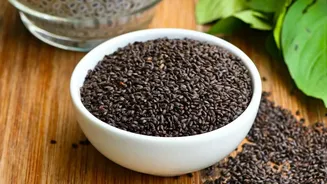
Chia seeds
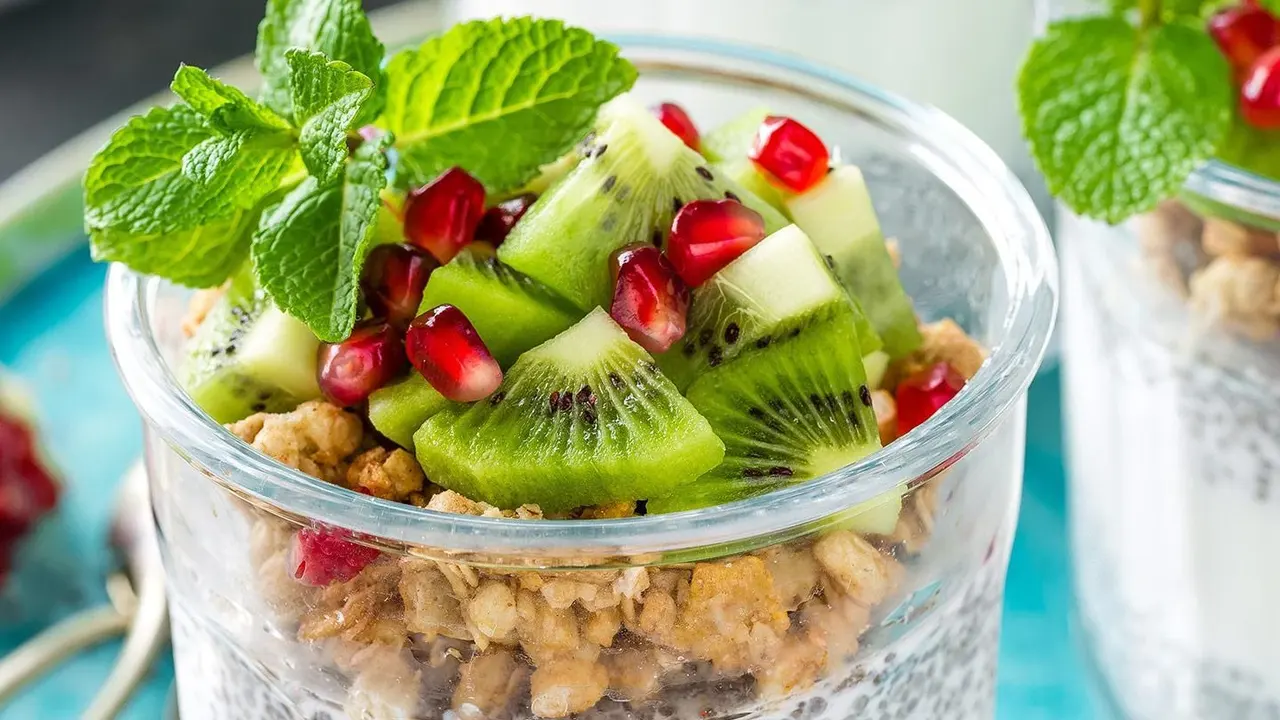
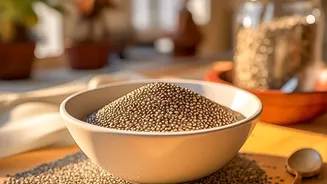
are a nutritional giant in a tiny package. They are exceptionally high in soluble fibre, which is key for diabetes management. When mixed with liquid, chia seeds form a gel-like substance. This process slows down digestion and the absorption of sugar into the bloodstream, preventing sharp spikes in blood glucose levels after a meal. They are also a great source of omega-3 fatty acids, which support heart health, and magnesium, a mineral linked to improved insulin sensitivity. The simplest way to use them is by making an overnight chia pudding: just mix two tablespoons of seeds with half a cup of milk or a plant-based alternative, let it sit overnight, and top with berries in the morning. You can also sprinkle a spoonful into smoothies, yogurt, or over a bowl of oatmeal.
2. Flax Seeds (Alsi)
Known as 'alsi' in India, flax seeds are celebrated for their impressive health benefits, especially for blood sugar control. They are packed with soluble fibre and alpha-linolenic acid (ALA), a type of omega-3 fatty acid that helps reduce inflammation. The fibre content slows down the release of sugar into the blood, helping to maintain stable glucose levels. For the best nutritional benefit, it’s recommended to consume flax seeds in their ground form, as the whole seeds can pass through the digestive system undigested. Stir a tablespoon of ground flaxseed into your morning dahi, blend it into a smoothie, or mix it into the batter for dosa or chilla. You can even sprinkle it over your oatmeal or upma to easily boost your fibre intake.
3. Pumpkin Seeds (Kaddu Ke Beej)
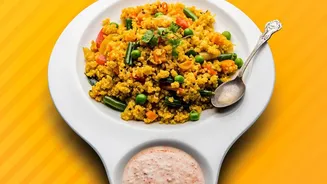
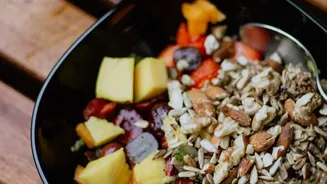
Pumpkin seeds are not just a crunchy snack; they are a fantastic food for diabetes management. They have a very low glycemic index, meaning they have a minimal effect on blood sugar. These seeds are one of the best natural sources of magnesium, a mineral that plays a vital role in glucose metabolism and improving the body's response to insulin. They also provide healthy fats and plant-based protein, which contribute to a feeling of fullness and sustained energy. A simple way to enjoy them is by lightly roasting a handful and eating them alongside your breakfast. You can also sprinkle them over poha, upma, or a bowl of fruit salad for added texture and nutrients.
4. Sunflower Seeds (Surajmukhi Ke Beej)
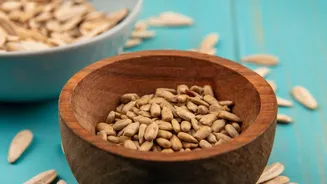
Sunflower seeds have a low glycemic index and are rich in nutrients that support metabolic health. They are an excellent source of vitamin E, an antioxidant that helps reduce inflammation, and contain healthy fats and protein that slow digestion and prevent blood sugar surges. Like pumpkin seeds, they are also a good source of magnesium, which is crucial for effective blood sugar control. Enjoy a small handful of raw, unsalted sunflower seeds as a quick snack, or add a tablespoon to your morning cereal, oatmeal, or yogurt. Their mild, nutty flavour makes them a versatile topping for both sweet and savoury breakfast dishes.
5. Sesame Seeds (Til)
Sesame seeds, or 'til', are a staple in Indian kitchens and offer significant benefits for those managing diabetes. They are a good source of healthy fats, protein, and fibre, a combination that helps in regulating blood sugar. Sesame seeds are also rich in magnesium, which aids in lowering blood pressure and improving insulin function. Unique compounds in sesame seeds, like sesamin, have antioxidant and anti-inflammatory properties that are beneficial for overall health. You can easily incorporate them into your breakfast by sprinkling a spoonful of toasted sesame seeds over dishes like idli or dosa. They can also be added to homemade chutneys or simply mixed into a bowl of yogurt.