


An Authentic Taste of the Arctic
In Greenland, the menu is written by nature. The frigid, clean waters of the North Atlantic provide a bounty that defines the local cuisine. Forget complicated supply chains; here, freshness is paramount. The catch of the day isn't a marketing slogan
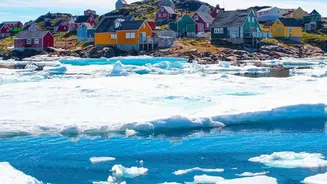
but a simple reality. Cafés and small restaurants in towns like Ilulissat and Qaqortoq often source their fish and shellfish directly from local fishermen. This means a plate of Greenlandic shrimp possesses a sweetness and firmness that is hard to find elsewhere. Similarly, Greenland halibut, a famed local delicacy, is prized for its delicate texture and rich flavour, often served simply grilled or smoked to let the quality of the fish shine. Other staples include cod, redfish, and Arctic char, each prepared in ways that honor their natural taste. This connection to the sea is deeply ingrained in the culture; place names like Kapisillit ('the place with salmon') and Ammassalik ('the place with capelin') reflect a history where survival and identity are tied to the ocean's offerings.
More Than a Meal: The Community Hub
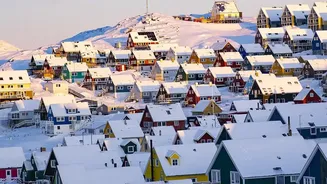
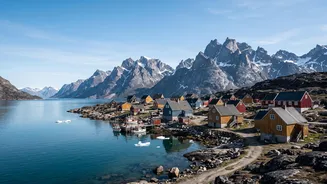
These charming cafés are much more than just places to eat; they are the heartbeats of their communities. In a land of vast distances and rugged landscapes, these establishments provide a vital space for connection. It's where fishermen gather after a long day on the water, families celebrate milestones, and neighbours catch up over a cup of strong coffee. This social tradition is reminiscent of the Greenlandic 'kaffemik', a celebratory open house where coffee and cakes are shared, reinforcing community bonds. Visitors who step into a local café are often met with a warm, welcoming atmosphere. For example, Café Kunguak in Qaqortoq is known as a meeting place for both locals and travelers, situated by a river in the heart of town. This blend of community and cuisine offers a unique window into modern Greenlandic life, where traditional hospitality meets contemporary café culture.
From Traditional to Modern Menus
While traditional ingredients remain central, many cafés are creatively blending them with international influences. It's not uncommon to find a menu featuring a classic musk ox burger alongside Thai-inspired curries or Neapolitan-style pizzas. This fusion reflects a Greenland that is both proud of its heritage and open to the world. Alongside seafood, you'll find dishes featuring reindeer and lamb from the south of the country, animals that roam freely and feed on wild herbs, giving their meat a distinctive, flavourful quality. Even the national dish, 'suaasat' — a hearty soup traditionally made with seal, whale, or reindeer — can sometimes be found on menus, offering an authentic taste of Inuit food culture. This culinary evolution shows how chefs are using local, organic ingredients in new and exciting ways, creating a food scene that is as dynamic as the landscape itself.
Finding a Seat at the Table
In larger towns like Ilulissat, a hub for tourism due to its famous icefjord, you can find a surprising variety of dining options, from the upscale Restaurant Ulo at Hotel Arctic to the cozy Inuit Café. Even smaller settlements often have at least one central eatery that serves as a focal point for the village. In Qaqortoq, places like Inuit House offer a home-like atmosphere where hospitality is as important as the food itself. While some high-end restaurants require reservations, many of the smaller, more casual cafés welcome walk-ins, providing a relaxed setting to enjoy a meal. These spots often double as purveyors of Greenlandic coffee, a potent and theatrical concoction of coffee, whiskey, Kahlúa, and Grand Marnier, which is set alight before serving — a perfect way to warm up against the Arctic chill.