


India’s Alarming Sodium Intake
On average, an Indian consumes between 8 and 11 grams of salt daily, which is nearly double the World Health Organization's (WHO) recommended limit of less than 5 grams per day. This excessive sodium intake is a primary driver of hypertension, or high
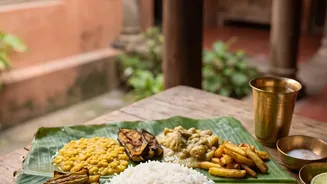
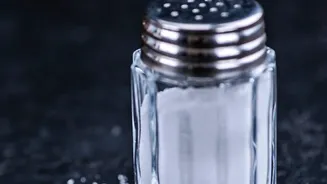
blood pressure, a condition that affects an estimated 19.9 crore people in the country. High blood pressure significantly increases the risk of cardiovascular diseases like heart attacks and strokes, which are among the leading causes of death in India. Unlike in Western countries where most sodium comes from processed foods, nearly 80% of salt consumption in India is 'discretionary salt'—the salt added during cooking at home. This makes household kitchens a critical focus for any public health intervention.
The Global Push from the WHO
The conversation in India is happening in the context of a major global health target. In 2013, the World Health Organization set a goal for its member states, including India, to achieve a 30% relative reduction in the average population's salt intake by 2025. While this timeline was later extended to 2030, the core recommendation remains urgent. The WHO advises adults to consume less than 2,000 mg of sodium per day, which equals about 5 grams of salt. To help achieve this, the WHO has explicitly endorsed the use of lower-sodium salt substitutes as one of several cost-effective strategies to improve public health and prevent millions of premature deaths globally.
What Is the Indian Proposal?
In line with this global guidance, a consensus is building among India's leading medical and public health experts. A panel of top doctors from institutions like AIIMS has recommended integrating potassium-enriched, low-sodium salt substitutes (LSSS) into the national strategy for reducing hypertension. The proposal is not just to raise awareness but to actively promote these salts as a default option. Some experts have even called LSSS a 'dietary vaccine' against hypertension, a simple, passive intervention that could offer continuous cardiovascular protection without asking people to sacrifice the taste of traditional food. The recommendation includes getting these salts officially recognised as an 'edible salt' category by the Food Safety and Standards Authority of India (FSSAI) to ensure quality and clear labelling.
How Do Low-Sodium Salts Work?
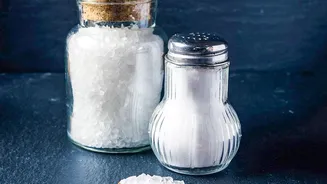
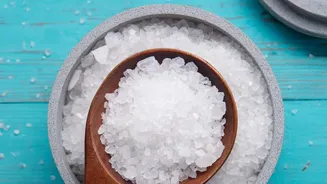
Lower-sodium salt substitutes are not salt-free. They are reformulated products that look, taste, and cook much like regular salt. The key difference is their chemical composition: a portion of the sodium chloride (typically 15-30%) is replaced with potassium chloride. This simple switch achieves two health goals at once. It reduces the intake of sodium, which is known to raise blood pressure, and it increases the intake of potassium, a mineral that helps counteract sodium's effects and relax blood vessels. Most Indians have a diet that is not only high in sodium but also deficient in potassium, making this two-pronged approach particularly effective.
The Benefits and a Note of Caution
The health benefits are well-documented. Multiple studies have shown that switching to potassium-enriched salt can lower blood pressure and reduce the risk of strokes, heart attacks, and death from cardiovascular disease. However, these substitutes are not for everyone. The increased potassium can be harmful to individuals who cannot regulate it effectively, particularly those with advanced chronic kidney disease or those taking certain medications known as potassium-sparing diuretics. Therefore, experts advise that people with pre-existing kidney conditions or other specific health issues should consult their doctor before making the switch. For the general population, however, it is considered a safe and highly effective public health measure.