

The Seated Forward Bend, or Paschimottanasana, is a cornerstone of yoga that offers a deep stretch and a sense of calm. For many, however, reaching the toes feels impossible. Enter the yoga strap: a simple tool to transform your practice.
Understanding the Goal of Paschimottanasana
Paschimottanasana
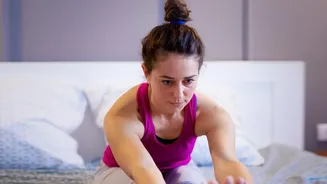
is a forward fold that stretches the entire back side of the body, from the calves and hamstrings to the spine. Beyond physical flexibility, the pose is known for its ability to calm the nervous system, aid digestion through gentle abdominal compression, and relieve stress. The goal isn't just to touch your toes, but to hinge forward from the hips while maintaining a long, supported spine. This focus on alignment is what makes the pose safe and effective, preventing strain on the lower back.
Why Introduce a Yoga Strap?
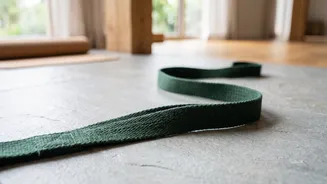
A yoga strap is not a 'crutch' but a tool for intelligent practice. It acts as an extension of your arms, allowing you to connect with your feet without compromising your posture. The primary mistake in this pose is rounding the back to force the hands to the feet. This can strain the spine and negates the hamstring stretch. A strap allows you to maintain the integrity of the pose, keeping your spine long and your chest open while you gently explore your flexibility. It provides gentle traction, helping you to deepen the fold with control rather than force.
A Step-by-Step Guide to Using the Strap
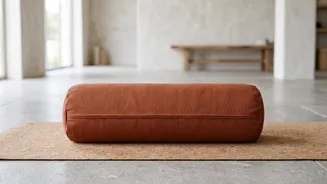
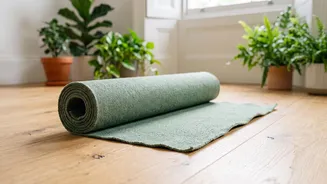
Using the strap correctly is key to unlocking its benefits. Follow these simple steps: 1. Start Seated: Begin in Dandasana (Staff Pose), sitting on your mat with your legs extended straight in front of you. If you find it difficult to sit up straight or feel your lower back rounding, sit on the edge of a folded blanket to help tilt your pelvis forward. 2. Position the Strap: Loop the middle of the strap around the balls of your feet, just below the toes. Placing it on the arch can be less effective and stable. Hold one end of the strap in each hand. 3. Find Your Length: Before you fold, sit up tall. Pull gently on the strap to help you lengthen your spine and draw your shoulders back and down, away from your ears. Your arms should be straight but not locked. 4. Hinge from the Hips: On an exhale, begin to fold forward, leading with your chest. The movement should originate from your hip creases, not your waist or upper back. Think of bringing your chest toward your shins, not your head toward your knees. 5. Use the Strap for Support: Hold the strap with a firm but relaxed grip. Use it to maintain gentle tension, which helps keep your spine elongated as you fold. Do not use it to aggressively pull or 'crank' yourself into the pose. With each inhale, you might find a little more length; with each exhale, you can explore deepening the fold gently.
Common Mistakes to Avoid
To ensure a safe and beneficial practice, watch out for these common errors: Pulling Too Hard: The strap is a guide, not a winch. Aggressively yanking on it can lead to injury. The stretch should feel productive, not painful. Rounding the Spine: The most frequent mistake is sacrificing a long spine for depth. If you see your upper back hunching, ease up and re-establish length before folding again. Locking the Knees: Especially if your hamstrings are tight, avoid locking your knees. Keeping a micro-bend in the knees can protect the joints and the hamstring attachments. You can even place a rolled-up blanket under your knees for support. Holding Your Breath: Tension often leads to holding the breath. Focus on slow, steady breathing to help your muscles relax and release into the stretch.
Listening to Your Body
Ultimately, Paschimottanasana is a conversation with your body. The strap is a tool to facilitate that dialogue, not to shout over it. Pay attention to the sensations in your hamstrings and lower back. A feeling of a deep stretch is good; sharp, shooting pain is a signal to back off. Some days you will feel more open than others. The goal is consistent, mindful practice, not achieving a specific shape. By using the strap as a supportive partner, you can safely explore your limits and enjoy the profound calming benefits of this classic yoga posture.