






Why This Monsoon Is So Disruptive
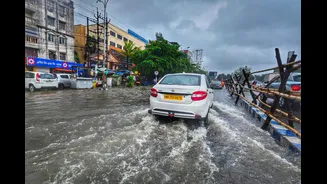
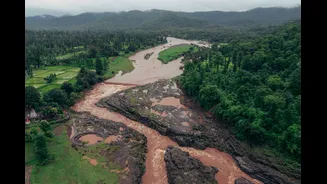
The annual monsoon is a fact of life in India, but this August has seen particularly intense and widespread rainfall. Heavy downpours across several states have led to waterlogging in major cities, landslides in hilly regions, and dangerously high river
levels. For travellers, this translates into a high-risk environment for delays. Airports face operational challenges due to low visibility and waterlogged runways, while the rail network is contending with flooded tracks and safety-related speed restrictions. On August 6, for example, severe rains led to widespread train disruptions across multiple zones, including the Northeast Frontier Railway, due to flooding and landslides.
Decoding the 'Connection Buffer'
A 'connection buffer' is simply the amount of time you have between arriving on one flight or train and departing on the next. Under normal conditions, a 90-minute buffer for a domestic flight connection might seem adequate. However, the current monsoon conditions render these standard timings risky. A single weather-related delay on your incoming journey can have a domino effect, causing you to miss your next connection entirely. The key to successful monsoon travel is to be generous with this buffer, factoring in not just the scheduled travel time but also the high probability of unforeseen delays.
Air Travel: Navigating Airport Delays
Airports, especially coastal ones like Mumbai, Goa, and Kochi, are particularly vulnerable during the monsoon. Heavy rain and crosswinds can lead to delayed take-offs, landings, and even temporary runway closures. Experts suggest that for a domestic connection during this season, a buffer of at least 3-4 hours is wise, compared to the usual 1.5-2 hours. If you're connecting to a major international flight, building in an overnight buffer might even be a prudent strategy to avoid the costly and stressful scenario of missing it. Always check your airline’s app for real-time updates and consider booking flexible fares that allow for easier changes.
Train Journeys: A Test of Patience
Indian Railways often faces immense challenges during heavy rains. Tracks submerged in water, landslides blocking routes in ghat sections, and soil erosion under the tracks can lead to widespread cancellations, diversions, and long delays. For instance, on August 3, train services on the Kalka-Shimla line were suspended due to landslide risks. The Konkan Railway implements a special monsoon timetable with reduced speeds from June to October to ensure safety. Before heading to the station, travellers must check the live status of their train using the official National Train Enquiry System (NTES). If booking a multi-leg train journey, opt for connections with several hours in between.
Your Monsoon Travel Checklist
Beyond just adding time, a few other preparations can make your monsoon journey smoother. First, get travel insurance that explicitly covers weather-related disruptions. Pack essentials like a raincoat, waterproof bags for documents and electronics, and quick-drying clothes. Keep a power bank handy, as delays can drain your devices. Most importantly, maintain a flexible mindset. A well-planned trip includes having backup plans and accepting that a delay is a possibility. Stay updated on weather forecasts from reliable sources like the India Meteorological Department (IMD) for your destination and the routes you'll be taking.