


The Science of Steam
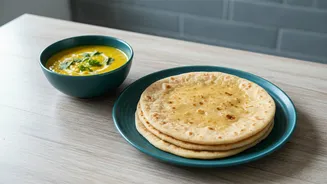
The single most crucial step for ensuring soft rotis happens the moment they come off the tawa. Covering a freshly cooked roti immediately traps the heat and steam. This moisture is the secret ingredient. As the rotis cool, they can quickly lose moisture and harden,
a process known as starch retrogradation. By stacking and covering them in a cloth-lined, insulated container like a casserole or roti box, you create a humid environment. The trapped steam helps the starches relax, preventing the rotis from drying out and becoming stiff. The cloth lining is also important; it absorbs any excess condensation, so the rotis at the bottom don't become soggy.
It All Starts with the Dough
You can’t end with a soft roti if you don’t start with a soft, pliable dough. The foundation of a great roti is high-quality whole wheat flour (atta), which retains moisture better than other flours. Food science shows that using lukewarm water to knead helps the flour hydrate more effectively and activates the gluten, making the dough more supple. The goal is a well-hydrated, medium-soft consistency—not so dry that it cracks, and not so sticky that it’s difficult to handle. Adding a small amount of oil or ghee during the final stages of kneading can also help lock in moisture. Once kneaded for about 8-10 minutes, letting the dough rest for at least 20-30 minutes is non-negotiable. This resting period allows the gluten to relax and the flour to absorb water evenly, which is essential for both easy rolling and a soft final product.
The Art of Rolling and Cooking
How you roll and cook your roti is just as important as the dough itself. An unevenly rolled roti, with thick and thin spots, will cook inconsistently. Aim for a uniform, thin circle. Using too much dry flour for dusting can also be a mistake, as the excess flour can burn on the tawa and dry out the roti. A light dusting is all you need to prevent sticking. When it comes to cooking, temperature is key. The tawa (griddle) must be properly preheated over medium-high heat. A tawa that is too cool will dry out the roti before it can puff, while one that is too hot will burn it. Cook the first side for about 20 seconds until small bubbles appear, flip and cook the other side for 30-40 seconds until light brown spots form. A final flip back onto the first side, with gentle pressure from a cloth or spatula, will encourage it to puff up beautifully.
Storing for Lasting Softness
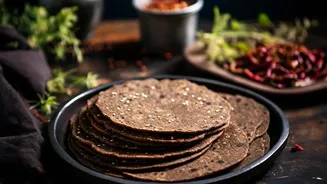
If you’re making rotis ahead of time, proper storage is everything. The best method is to stack them in a casserole or insulated container lined with a clean cotton cloth. Brushing each hot roti with a small amount of ghee before stacking not only adds flavour but also creates an additional barrier against moisture loss. Avoid wrapping hot rotis directly in aluminum foil, as the trapped steam will condense and make them soggy. If rotis do become a little firm upon cooling, they can be easily revived. Simply wrap one in a damp paper towel and microwave for about 20 seconds, or gently reheat it on a tawa, perhaps with a sprinkle of water to reintroduce steam.