






The Modern Neck Ache
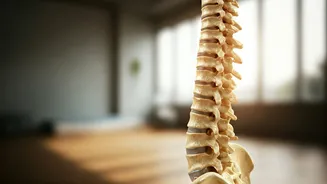
Before we dive into the stretches, it helps to understand why our necks are so vulnerable. In our digital-first world, a condition often called 'tech neck' is a primary culprit. This refers to the stress placed on the cervical spine from looking down
at phones, tablets, and laptops for extended periods. When your head tilts forward, the weight your neck has to support increases dramatically. A 5-kilogram head can feel like 25 kilograms of pressure on your spine at a 60-degree angle. Over time, this leads to muscle strain, stiffness, and chronic pain. Add daily stress, which causes us to unconsciously tense our shoulders and neck muscles, and you have a perfect storm for discomfort.
Gentle Neck Tilts
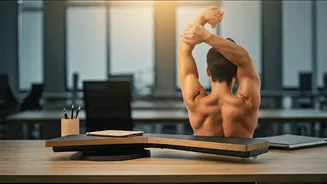
This is a foundational stretch for releasing tension along the sides of your neck. It's simple enough to do at your desk. How to do it: Sit comfortably on the floor or in a chair with a straight spine, shoulders relaxed down and away from your ears. Take a deep breath in. As you exhale, gently tilt your right ear toward your right shoulder. Do not force the movement or lift your shoulder to meet your ear. You should feel a mild, pleasant stretch along the left side of your neck. Hold for 20-30 seconds, breathing deeply. To release, slowly bring your head back to the centre. Repeat on the left side. For a slightly deeper stretch, you can gently place your hand on the side of your head, using only its weight to guide the stretch—never pull.
Chin Tucks and Nods
This movement helps counteract the forward-head posture of 'tech neck' by strengthening the deep cervical flexors at the front of your neck and stretching the muscles at the back. How to do it: Sit or stand tall, looking straight ahead. Gently draw your chin straight back, as if you're trying to make a double chin. You should feel a stretch at the base of your skull and the back of your neck. Be careful not to tilt your head up or down; the movement should be parallel to the floor. Hold for 5 seconds, then release. Repeat this 10 times. Follow this with gentle nods. Tuck your chin slightly toward your chest, then slowly look up toward the ceiling. Move only within a comfortable range of motion, avoiding any sharp pain.
Seated Cat-Cow
While traditionally a full-body yoga pose, this seated variation specifically targets neck and shoulder tension by mobilising the upper spine. How to do it: Sit in a chair with your feet flat on the floor and your hands resting on your knees. On an inhale, gently arch your back, drawing your shoulders back and lifting your chest and chin toward the ceiling (Cow Pose). Be mindful not to crunch your neck; keep it long. On an exhale, round your spine, tucking your chin to your chest and drawing your navel toward your spine (Cat Pose). Feel the stretch between your shoulder blades. Flow between these two positions for 8-10 breaths, letting your breath guide the movement.
Shoulder Blade Squeeze
Tension in the neck is often linked to the shoulders and upper back. This simple exercise, also known as scapular retraction, helps release tension by activating the muscles between your shoulder blades. How to do it: Sit or stand with your arms by your sides and your posture tall. Imagine there is a pencil between your shoulder blades. Gently squeeze your shoulder blades together and down, as if you are trying to hold the pencil in place. Be sure not to shrug your shoulders up toward your ears. Hold the squeeze for 5-6 seconds, and then release. Repeat this movement 10-15 times. It's a subtle but powerful way to reset your posture and relieve the strain that creeps up into your neck.
Building a Mindful Habit
The key to finding lasting relief is consistency. These aren't one-time fixes. Try to incorporate these gentle movements into your daily routine. Set a reminder to do a few neck tilts and chin tucks every hour you're at your desk. Perform the full series in the morning to start your day with more mobility or in the evening to release accumulated tension. Always listen to your body. A stretch should feel good; sharp, shooting, or radiating pain is a signal to stop immediately. The goal is gentle restoration, not aggressive correction. Over time, these small acts of self-care can make a significant difference.