



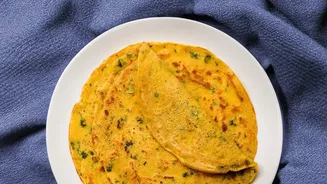
A Breakfast for Every Region
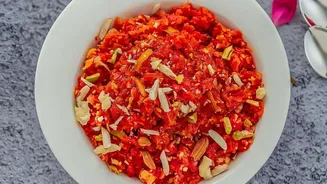
In India, there is no single, uniform concept of breakfast. Instead, it's a vibrant tapestry of regional specialties, each shaped by local ingredients, climate, and culture. The diversity is staggering. While mornings in Punjab might start with a hearty
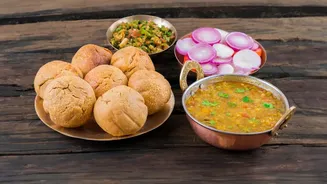
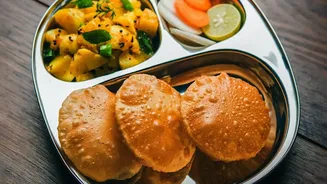
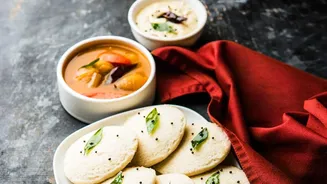
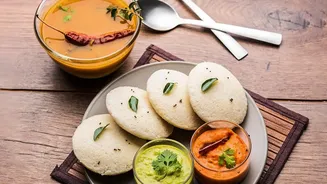
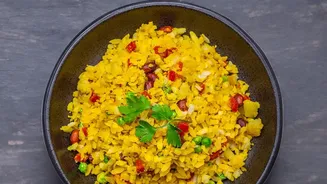
aloo paratha laden with butter, households in Maharashtra often prefer kanda poha—a light yet flavourful dish of flattened rice sautéed with onions, turmeric, and mustard seeds. Head south, and you’ll find fluffy, steamed idlis made from a fermented rice and lentil batter, often served with a tangy sambar in Tamil Nadu and Kerala. In Gujarat, the savoury, spongy dhokla is a staple, while Bihar is known for litti chokha, and the coastal state of Goa offers its own unique bread-based options. This immense variety means that breakfast is not just a meal but a daily reflection of India's culinary heritage.
A Search for Health and Authenticity
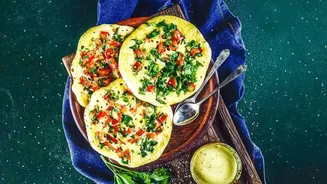
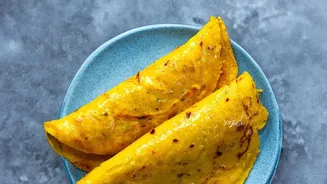
So why is this traditional fare capturing the imagination of a generation raised on instant noodles and global fast food? The trend appears to be driven by more than just nostalgia. There's a growing awareness of the nutritional benefits packed into these age-old recipes. Many traditional Indian breakfasts are naturally healthy, offering a balanced mix of complex carbohydrates, plant-based proteins, and healthy fats. For instance, fermented dishes like idli and dosa are rich in probiotics that support gut health, while lentil-based items like moong dal chilla are excellent sources of protein. In an era of 'clean eating,' young consumers are valuing authenticity and moving away from standardized, processed foods. They are discovering that a traditional breakfast can be both nourishing and deeply satisfying, providing sustained energy without the crash that comes from sugary cereals.
The Social Media Effect
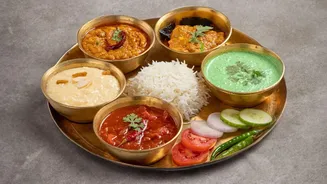
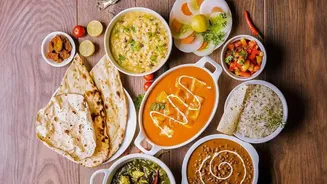
The visual appeal of Indian food is also playing a significant role in this resurgence. Social media platforms like Instagram have become digital showcases for regional cuisine. A colourful thali featuring small bowls of various breakfast items, a perfectly crisp dosa, or a brightly garnished plate of poha is eminently shareable. Food bloggers and travel creators are introducing millions of young viewers to hyper-regional dishes they might have never encountered before. This digital discovery is fueling curiosity and a desire to experience these authentic tastes firsthand. The rise of 'confident vernacularism'—a pride in local culture without the need for Western validation—means that embracing one's own culinary roots is now seen as progressive and cool.
From Home Kitchens to Modern Cafes
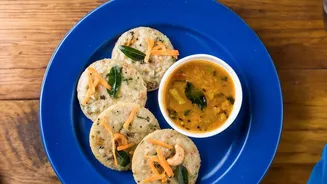
This renewed interest has not gone unnoticed by the food industry. While some reports from recent years have highlighted a trend of breakfast skipping among urban youth due to fast-paced lifestyles, a parallel counter-trend is emerging. Entrepreneurs are launching new ventures that cater specifically to this demand for traditional breakfast. Quirky cafes and cloud kitchens specializing in regional breakfast dishes are popping up in major cities. These establishments offer everything from Nagaland's smoked pork dishes to Kerala's appam with stew, bringing once-homely dishes to a wider commercial audience. Furthermore, the market for ready-to-cook and ready-to-eat versions of traditional meals like poha, upma, and dosa batter is booming, bridging the gap between the desire for traditional food and the need for modern convenience.