



So, What Is Clay Wash Anyway?
First, let's clear up what it’s not: it’s not just terracotta-coloured paint. A clay wash is a special type of finish made from a blend of natural clay, pigments, and binders. Unlike standard acrylic or latex paint that forms a solid film on the wall,
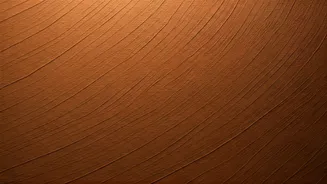
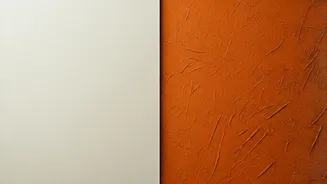
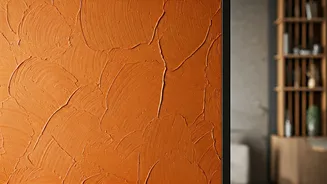
a clay wash penetrates the surface, creating a soft, suede-like, and slightly varied texture. Think of the beautiful, sun-drenched walls of a Tuscan villa or the earthy plasterwork of a Rajasthani haveli. Clay wash delivers that same organic, chalky matte finish. It absorbs light rather than reflecting it, which gives rooms an incredible sense of depth and tranquillity. It’s a finish you feel as much as you see, adding a layer of tactile sophistication that flat paint simply cannot replicate.
The Magic of Texture and Depth
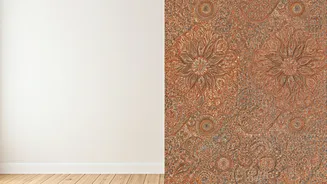
The primary reason clay wash feels like a ‘hack’ is its ability to add instant architectural character to a featureless room. Most modern apartments are essentially blank boxes. A clay wash disrupts this monotony with subtle movement and variation. The application technique, typically using a wide brush in criss-cross strokes, creates a beautifully imperfect surface where light and shadow play throughout the day. This texture makes a space feel more considered, custom, and expensive than it is. It’s particularly effective for creating a focal point, like an accent wall behind a sofa or a bed, drawing the eye and making the entire room feel more grounded and cohesive.
A Breath of Fresh, Healthier Air
Beyond aesthetics, clay wash offers tangible benefits for your indoor environment. Most high-quality clay finishes are either zero-VOC (Volatile Organic Compounds) or very low-VOC. These are the harmful chemicals found in many traditional paints that off-gas into the air long after the paint has dried. Because it's made from natural earth materials, clay wash is a much healthier choice for your home. Furthermore, clay is naturally breathable. This means it allows moisture to pass through it rather than trapping it in the walls, which can help regulate humidity and prevent issues like mould and mildew from forming—a significant plus in India’s varied climates, from humid coastal cities to damp monsoon seasons.
Embracing Beautiful Imperfection
In a world of mass-produced perfection, the appeal of clay wash lies in its organic, wabi-sabi charm. The finish isn’t meant to be perfectly uniform. The subtle variations in tone, the visible brushstrokes, and the soft, mottled effect are all part of its intended beauty. This makes it an incredibly forgiving DIY project. You don’t need professional-level painting skills to achieve a stunning result; in fact, trying to make it too perfect would defeat the purpose. This philosophy of embracing imperfection creates a living space that feels more relaxed, human, and authentic. It’s a direct antidote to the cold, impersonal feel that many rental apartments can have.
The All-Important Renter-Friendly Question
Here's the key for apartment dwellers: is it a nightmare to undo? Generally, a clay wash is more rental-friendly than, say, textured wallpaper or structural changes. Because it's applied like paint, it can also be removed like paint. When it’s time to move out, you can simply apply a good quality primer over the clay wash and then paint over it with the landlord’s approved neutral colour. It might take an extra coat of primer compared to standard paint, but it's entirely manageable. As always, it’s wise to have a conversation with your landlord beforehand, but framing it as a 'speciality paint finish' that you will fully restore to its original state upon leaving often gets the green light.
Getting Started: The DIY Basics
Feeling inspired? Applying clay wash is a straightforward process. You’ll need the clay wash product itself, a good primer, and a wide, block-style brush (not a roller). The magic is in the application. After priming your wall, you apply the clay wash in short, overlapping, criss-cross or X-shaped strokes. Work in small, manageable sections, blending the edges as you go to avoid hard lines. Most products require two coats to build up the desired depth and texture. Don’t overthink it—the goal is a natural, varied finish. Start with a small, less conspicuous wall to get a feel for the technique before tackling a major feature wall.