



A Tapestry of Woven Memories
In many Indian households, old silk sarees are more than just garments; they are heirlooms, folded away in trunks, carrying the scent of nostalgia and the weight of memories.. They are wedding trousseaus, festival attire, and the proud collections of mothers
and grandmothers. To simply discard them feels like a betrayal of that history. Upcycling these sarees into drapes offers a way to bring these stories out of the dark and into the light, transforming a static memory into a dynamic part of daily life.. Every time the light filters through the soft silk, it serves as a gentle reminder of the legacy woven into its threads, making a house feel more like a home.
The Sustainable Weave
Beyond the emotional appeal, this practice is a powerful statement in sustainability. The fashion and textile industry is one of the world's largest polluters, with India alone generating millions of tonnes of textile waste annually.. A significant portion of this ends up in landfills.. Choosing to upcycle is a conscious decision to break this cycle. It is a core principle of a circular economy, where materials are kept in use for as long as possible, reducing the demand for new production and minimizing waste.. By giving a Kanjeevaram or Banarasi a new purpose, you are not only saving it from a landfill but also reducing your carbon footprint and participating in a more responsible form of consumption.
From Wardrobe to Window
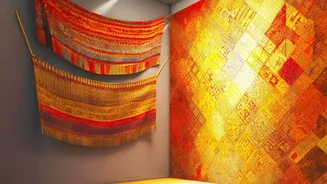
The transformation from a five-to-nine-yard garment into a set of curtains is a creative process. Lighter sarees like chiffon or georgette can be used to create sheer, flowy curtains that dance in the breeze, perfect for living rooms that get a lot of natural light.. Heavier silks, like Kanjivaram or Banarasi, make for luxurious, opulent drapes that can add a touch of royalty to a bedroom or formal dining space.. Often, a cotton lining is added to protect the delicate silk from direct sunlight and to give the curtain more body.. For a more eclectic, bohemian look, panels from different sarees can be stitched together, creating a vibrant patchwork of colours and patterns.. The intricate pallu or embroidered border can be strategically placed to become the design's focal point..
A Unique Design Statement
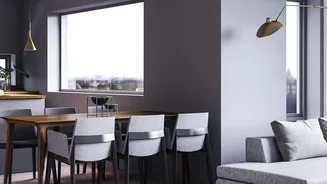
For city dwellers living in modern apartments that can sometimes feel generic, upcycled saree drapes offer a powerful dose of personality. Each set of curtains is, by its very nature, one-of-a-kind. The rich colours, intricate zari work, and unique patterns of a traditional saree provide a textural and visual richness that mass-produced curtains cannot replicate.. They serve as a stunning focal point, a piece of art that tells a story. In minimalist or contemporary interiors, these drapes can add a much-needed pop of colour and a layer of cultural depth, creating a beautiful contrast between the old and the new..
Getting Started with Upcycling
The beauty of this trend is its accessibility. For the creatively inclined, turning a saree into a curtain can be a rewarding DIY project.. The first step is to assess the condition of the fabric, ensuring it's strong enough for use. The saree should be dry-cleaned before any cutting or stitching begins.. However, for those who are not confident in their sewing skills, or for more complex projects involving valuable or delicate silks, many local tailors and boutique designers now offer this service.. There are also several brands and social enterprises that specialize in upcycling sarees into a variety of home decor items, providing employment to local artisans while promoting a sustainable message..