


The Probiotic Connection
First, let's understand what probiotics are. They are live, beneficial bacteria that support a healthy gut microbiome, which is crucial for digestion, immunity, and even mood. While yogurt and other dairy products are famous for their probiotic content,
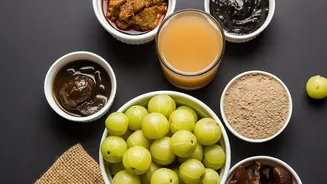
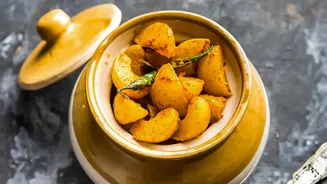
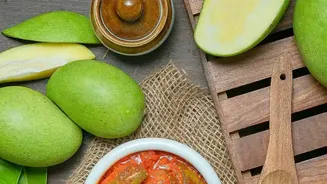
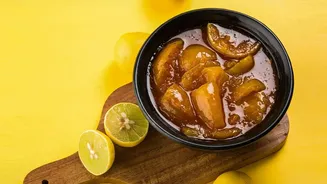
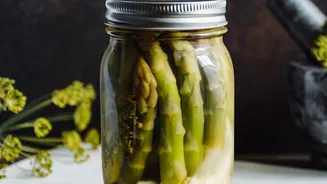
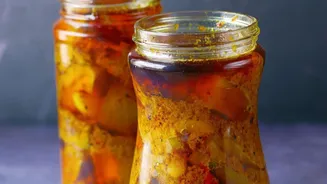
traditionally prepared Indian pickles, or achar, are also a fantastic, non-dairy source. The process that turns simple vegetables and fruits into these probiotic powerhouses is called lacto-fermentation. During this process, beneficial bacteria, such as strains of Lactobacillus, convert the natural sugars in the produce into lactic acid. This not only preserves the food but also creates a thriving environment for these good bacteria.
The Magic of Fermentation
The secret lies in creating the right conditions for good bacteria to flourish while suppressing the harmful ones that cause spoilage. This is where the specific ingredients in traditional Indian pickling come into play. The process involves submerging vegetables or fruits in a brine solution, which is essentially salt and water, or sometimes just coating them in salt to draw out their own juices. Over several days, naturally present Lactobacillus bacteria begin their work, producing lactic acid. This acid lowers the pH of the pickle, making the environment inhospitable to spoilage microbes and giving the pickle its characteristic tangy flavour. The result is a 'living' food, packed with beneficial microorganisms.
Sea Salt’s Crucial Role
The type of salt used is critical. Traditional recipes call for non-iodized sea salt for a reason. Unlike standard table salt, which often contains iodine and anti-caking agents, pure sea salt creates the perfect environment for fermentation. Iodine can inhibit the growth of the beneficial Lactobacillus bacteria that are essential for the fermentation process. By using sea salt, traditional pickling methods ensure that these good bacteria can multiply effectively, leading to a successful and probiotic-rich ferment. The salt helps draw water out of the vegetables, concentrating their flavours and creating a brine that protects them as they ferment.
Why Mustard Oil Matters
Mustard oil plays a dual role that is both unique and essential in Indian pickling. First, it is a powerful natural preservative. Mustard oil contains a compound called allyl isothiocyanate (AITC), which has strong antimicrobial and antifungal properties. This means it actively prevents the growth of mould and harmful bacteria, giving traditional pickles their long shelf life without needing refrigeration. Secondly, the pungent, sharp flavour of kachi ghani (cold-pressed) mustard oil is fundamental to the taste of authentic achar. While it suppresses bad microbes, it allows the beneficial lactic acid bacteria to do their fermentation work, contributing to a complex, layered flavour that no other oil can replicate.
Not All Pickles Are Created Equal
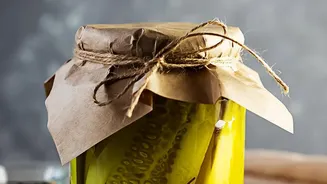
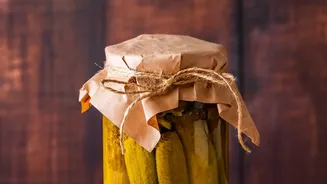
It's important to know that most commercially available pickles found on supermarket shelves are not probiotic. These pickles are typically made using vinegar and are often pasteurised (heat-treated) to ensure a long, stable shelf life. While this process, known as vinegar pickling, makes for a tasty condiment, the vinegar and heat destroy the live, beneficial bacteria that fermentation creates. Therefore, if you are seeking the probiotic benefits, look for traditionally made, unpasteurised pickles that list only salt and not vinegar in their ingredients. These are often found in refrigerated sections or sold by local, small-batch producers who use ancestral methods.