




The Hidden Damage of Sitting Still
Our bodies are designed for movement. When you stay in one position for extended periods, several negative effects begin to unfold within your joints. The synovial membrane, a soft tissue surrounding the joint, produces less synovial fluid. This fluid acts
like a natural lubricant, allowing bones to move smoothly against each other. When its circulation is reduced, friction increases, leading to stiffness and wear over time. Furthermore, prolonged sitting weakens the muscles, ligaments, and tendons that support your joints, like your hip flexors and core postural muscles. These weakened tissues can no longer effectively absorb shock or maintain proper posture, which places extra strain on the joints themselves, particularly in the hips, back, and neck.
The Solution: An Introduction to Micro-Movements
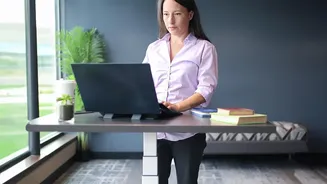
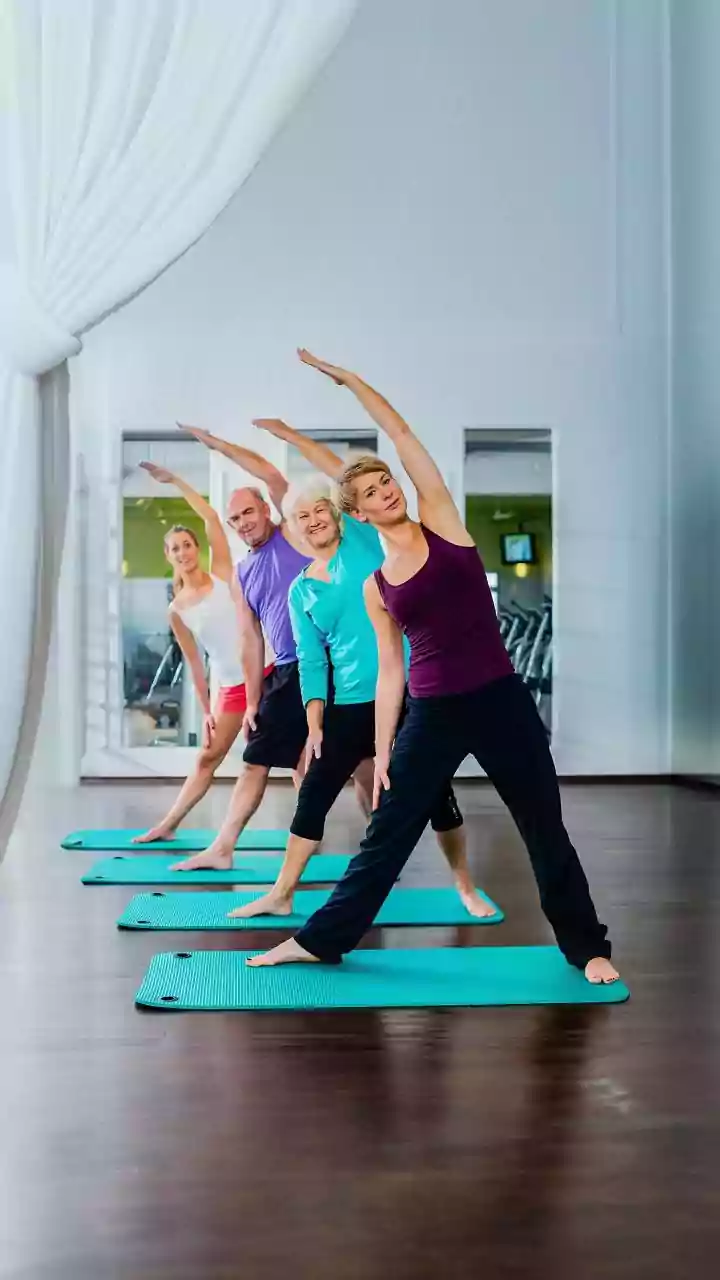
The answer isn’t necessarily hitting the gym for an hour after work, though that helps. A more immediate and highly effective strategy is the 'micro-movement' or 'active break'. These are small, gentle, and intentional movements performed for short periods—from 30 seconds to a few minutes—throughout the day. The goal is to simply interrupt long periods of physical inactivity. Unlike a full workout, these breaks don't require changing clothes or even leaving your desk. They are about breaking up the static load on your body and reminding it to move, which can be more beneficial for combating sedentary effects than a single, intense exercise session.
How Small Movements Deliver Big Benefits
It may seem too simple to be effective, but the science is clear. When you move, even subtly, you stimulate the production and circulation of that vital synovial fluid, which nourishes the cartilage and keeps joints lubricated. This process, known as imbibition, is like squeezing a sponge; weight-bearing movement pushes old fluid and waste out of the cartilage, and when the pressure is released, fresh fluid with oxygen and nutrients is drawn back in. These small movements also reactivate the supporting muscles, which improves stability and reduces the direct load on the joints. Even light activity helps improve blood flow and can reduce the chronic inflammation often associated with joint pain and damage.
Simple Micro-Movements to Try at Your Desk
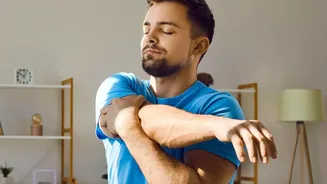
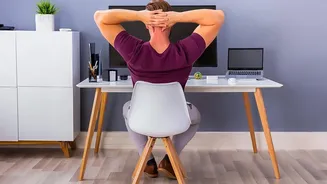
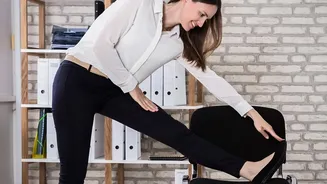
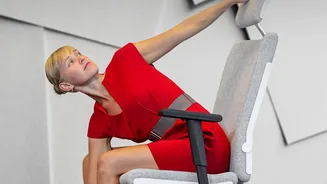
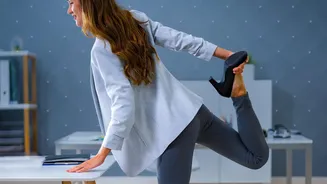
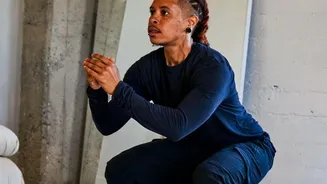
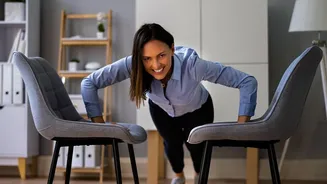
Integrating these movements into your day is easy. You don't need any special equipment, just a few moments of intention. Try these simple exercises: - Neck and Shoulder Relief: Gently tilt your head from side to side, holding for 15 seconds each way. Follow this with five slow shoulder rolls forward and five backward to release tension in your upper back. - Seated Spinal Twists: While seated, gently twist your torso to one side, using your chair for support. Hold for 20 seconds and then repeat on the other side to improve rotational mobility. - Ankle and Wrist Rotations: Extend your legs slightly and rotate your ankles in circles, ten times in each direction. Do the same with your wrists to keep these smaller joints mobile. - Seated Marching and Calf Raises: While sitting, march your feet up and down for 30 seconds to activate your leg muscles and improve blood flow. You can also do seated or standing calf raises. - Desk Squats: When you stand up from your chair, perform two or three slow, controlled squats to engage your glutes and leg muscles.
Building a Habit That Sticks
The key to success is consistency. The most effective way to build a micro-movement habit is to make it automatic. Set a timer on your phone or computer to remind yourself to move for one or two minutes every half hour. Another great technique is 'habit stacking'. For example, decide to do a set of shoulder rolls after you send every email, or do a few desk squats every time you get up to grab water. You can also try 'walking meetings' for phone calls or one-on-one chats. The goal is to weave these moments of activity so seamlessly into your day that you no longer have to think about them. They become a natural part of your work rhythm, providing continuous benefits for your long-term joint health.