






Mastering Transportation
Getting around is one of the biggest potential expenses, but it doesn't have to be. While renting a car offers the most flexibility, it's most economical when you can split the cost with fellow travelers. Fuel is relatively inexpensive, which makes road-tripping
an attractive option. For solo backpackers or those on a tighter budget, Oman's national bus service, Mwasalat, is a game-changer. These modern, air-conditioned buses connect major cities like Muscat and Nizwa for a fraction of a taxi fare. A trip from Muscat to Nizwa can cost just a few Omani Rials. Within Muscat, the bus network can get you to many key areas, though you may need to supplement with the occasional taxi for specific destinations. Always have cash on hand for bus fares, as card machines may not always work.
Smart Accommodation Choices
While Oman is known for its luxurious resorts, there are growing options for budget travelers. In cities like Muscat and Nizwa, hostels and guesthouses are becoming more common, offering dorm beds for a much lower price than a hotel room. Booking your trip during the shoulder seasons (October-November and March-April) can also lead to lower prices compared to the peak winter months. For the truly adventurous, wild camping is legal and widely practiced in many of Oman's beautiful natural areas, including beaches and mountains, which can save you a significant amount on accommodation. Couchsurfing is also a popular option, providing not just a free place to stay but also a chance to connect with locals.
Eating Well for Less
You can eat delicious and authentic food in Oman without spending a fortune. The key is to avoid tourist-centric hotel restaurants and instead seek out the small coffee shops and local eateries frequented by residents. Muscat, in particular, has a vibrant cheap eats scene, with many restaurants offering South Asian and Middle Eastern fare like biryani, shawarma, and falafel for just a couple of Rials. These meals are often hearty and can easily keep you full. For snacks, water, and breakfast items, visit local supermarkets like Lulu, which are far cheaper than convenience stores. Grabbing a cheese and honey Omani bread (khubz) and a karak chai is a classic, cheap, and delicious local breakfast.
Muscat on a Shoestring
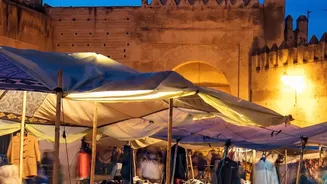
Oman's capital has plenty of free and low-cost attractions. The stunning Sultan Qaboos Grand Mosque is free to enter (be sure to respect the dress code and visiting hours). A walk along the Muttrah Corniche, with its views of the harbor and traditional dhows, costs nothing and is a highlight for many visitors. You can browse the bustling Muttrah Souq without any pressure to buy, though it's a great place for souvenir hunting. Many of the city's parks, like Qurum Natural Park, and public beaches are also free to enjoy.
The Wadi Shab Adventure
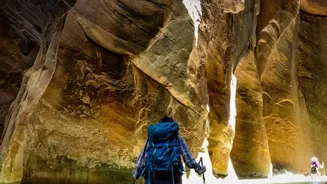
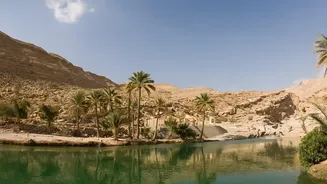
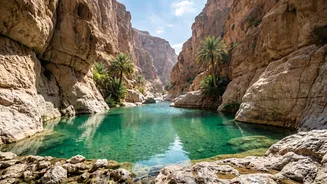
Wadi Shab is one of Oman's most famous natural attractions, and it's very budget-friendly. There is no entrance fee to the wadi itself. The only mandatory cost is a small fee of 1 OMR for the boat that takes you across the river to the start of the hiking trail. The hike, which takes about 45 minutes to an hour each way, leads you through a stunning canyon to a series of turquoise pools. At the end, you can swim into a hidden cave with a waterfall. To save money, be sure to bring your own water and snacks, as there are limited options to buy them once you are there.
Exploring Historic Nizwa
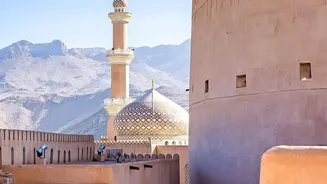
Nizwa, the former capital, is rich in history and culture. The main attraction is the formidable Nizwa Fort. There is an entrance fee of 5 OMR to explore its impressive circular tower and learn about its history. Right next to the fort, the Nizwa Souq is free to wander through and offers a more traditional atmosphere than the souq in Muscat. If you can, plan your visit for a Friday morning to witness the famous and free-to-watch goat market, a vibrant cultural spectacle. Simply walking through the old town and date palm plantations provides a fascinating glimpse into traditional Omani life at no cost.