





Visibility: See and Be Seen
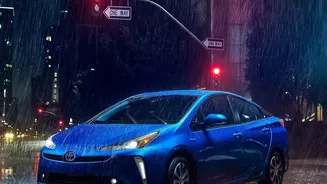
In rain and fog, your ability to see the road and for others to see you is drastically reduced. Start with the basics: your wiper blades. Summer heat can crack and harden the rubber, leading to smearing instead of clearing. If your wipers leave streaks
or skip across the glass, replace them immediately. Top up your windshield washer fluid, perhaps using a solution with rain-repellent properties. Next, conduct a full light check. Walk around your car and ensure all headlights (low and high beams), tail lights, brake lights, and indicators are functioning perfectly. In foggy conditions, use your low beams, as high beams reflect off the moisture and worsen visibility. Keeping all light lenses and windows clean is a simple but crucial step for maximising visibility.
Traction: Tyres and Brakes
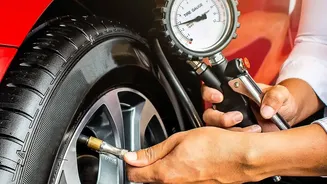
Your tyres are the only part of your car connecting you to the road, and on wet, slippery surfaces, their condition is critical. Worn tyres are a primary cause of skidding and hydroplaning. Check your tyre tread depth; if it’s below the recommended level (at least 1.6mm), it's time for a replacement. Also, ensure your tyres are inflated to the manufacturer’s recommended pressure. Your braking system works harder in wet conditions. Brake fluid can absorb moisture over time, reducing its effectiveness when you need it most. Get your brake pads, lines, and fluid levels inspected by a professional to ensure they are in optimal condition for the increased stopping distances required on wet roads.
Engine and Electrics: The Core Systems
High humidity and moisture during the monsoon can wreak havoc on your car's engine and electrical systems. Water entering the engine compartment can cause significant damage. Ensure all seals and gaskets are intact and check that the spark plug wires are properly insulated to prevent moisture from causing a misfire. The battery is another component that struggles in damp conditions. Check the terminals for corrosion and ensure it is securely mounted. A weak battery is more likely to fail in the cold, damp weather often found in hilly regions. Don't forget your horn and defogger. A loud horn is vital for alerting others on blind curves in the hills, and a functioning defogger is essential for maintaining a clear windshield.
Special Considerations for Hill Driving
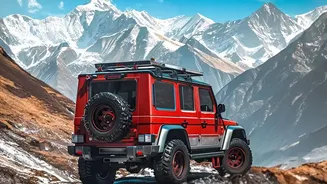
Driving in the hills during monsoon requires extra caution. Mountain roads are often narrow and can be covered in mud or debris from minor landslides. Always use low gears when descending steep slopes to control your speed and avoid overheating your brakes. This technique, known as engine braking, gives you more control than relying solely on the brake pedal. Be especially vigilant on blind curves, and don't hesitate to use your horn to announce your presence. Given the risk of getting stranded due to landslides or road closures, it's wise to have a secondary route planned and check local weather and road advisories before you start your journey.
Your Monsoon Emergency Kit
A well-stocked emergency kit is essential, especially for unpredictable monsoon journeys. Beyond a standard first-aid kit, your monsoon kit should include a few specific items. A powerful LED torch with spare batteries is non-negotiable for nighttime breakdowns. A reflective warning triangle or vest makes you visible to other traffic if you have to stop. Jumper cables, a basic toolkit, and a tyre inflator with a puncture repair kit can help you handle minor issues without waiting for assistance. Also, pack some dry snacks, drinking water, and a power bank for your phone. In hilly areas, being stranded can mean a long wait, so being self-sufficient is key.