





First, Understand the Enemy: Why Frizz Happens
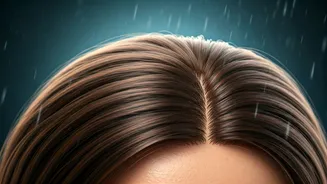
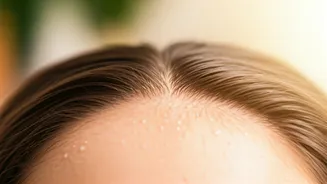
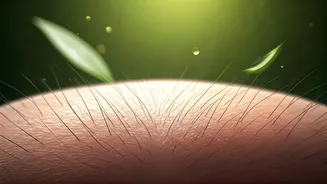
Frizz is fundamentally a moisture problem. When your hair is dry, damaged, or naturally porous, its outer layer, called the cuticle, doesn't lie flat. [21] Instead, it's raised and rough, allowing it to absorb moisture from the humid air around it. [5,
7] This influx of moisture causes the hair shaft to swell unevenly, resulting in that dreaded frizzy, puffy look. [4, 10] For Indian hair, which is often thicker and more porous, this battle is even more pronounced, especially in climates with high humidity. [4] The key to victory isn't blocking all moisture, but keeping your hair so well-hydrated that it doesn't need to steal it from the air. [4]
Rethink Your Wash-Day Routine
The fight against frizz begins in the shower. Many shampoos contain harsh sulfates, which are strong cleansing agents that create a satisfying lather but can strip your hair of its essential natural oils. [9, 22] This leaves your hair dry and makes the cuticle more likely to lift, inviting frizz. [26] Opt for a gentle, hydrating, or sulfate-free shampoo to cleanse without causing excessive dryness. [14, 17] Also, resist the urge to wash your hair daily; two to three times a week is often enough. [14, 17] Over-washing can exacerbate dryness, while allowing some natural oils to build up can help keep frizz at bay. [17] Finally, turn down the heat. Hot water can also strip natural oils, so rinse with cool or lukewarm water to help seal the hair cuticle. [21]
Never, Ever Skip Conditioner
If shampoo opens the hair cuticle, conditioner's job is to seal it back down. Conditioner is a non-negotiable step for anyone with frizzy hair. It replenishes moisture lost during shampooing, smooths the cuticle layer, and creates a protective barrier. [12, 16, 19] This makes your hair less likely to absorb humidity from the atmosphere. [19] When applying, gently squeeze excess water from your hair before working the conditioner through, concentrating on the mid-lengths and ends where hair is oldest and driest. [1] For an extra boost, use a deep conditioning mask once a week. These treatments are formulated with nourishing ingredients like argan, coconut, or avocado oil to provide intense hydration and strengthen the hair. [1, 3, 13]
Your Towel Might Be the Problem
One of the most common mistakes that leads to frizz is vigorously rubbing wet hair with a standard cotton towel. The rough texture of terry cloth creates friction, which disrupts the hair cuticle and causes frizz and even breakage. [8, 23] Instead, make a simple swap to a microfiber towel or an old, soft cotton t-shirt. [23] These materials are much gentler and absorb water without roughing up the hair shaft. [8] The best technique is to gently blot or squeeze the moisture out, rather than rubbing. This small change in habit can have a surprisingly large impact on the smoothness of your hair once it dries.
Layer Products on Damp Hair
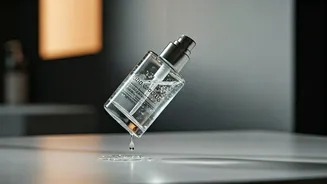
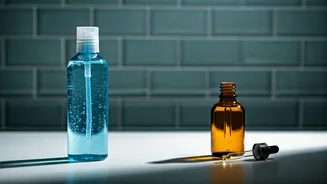
The products you apply after washing are crucial for locking in moisture and forming a shield against humidity. The key is to apply them to damp, not dry, hair. [21] Start with a leave-in conditioner to provide a base layer of moisture. [1] Then, apply a serum. Serums, often containing ingredients like silicones or natural oils, create a protective barrier on the hair shaft that seals the cuticle and blocks humidity. [1, 4] Look for nourishing oils like argan, jojoba, or coconut oil, which are known for their frizz-fighting properties. [11, 14, 23] A wide-tooth comb can help distribute the product evenly from roots to ends without causing breakage. [28]
Heat Style Smarter, Not Harder
Frequent use of hot styling tools can strip hair of its moisture, leading to damage and frizz. [5, 19] If you can't part with your blow dryer or straightener, adopting smarter habits is essential. First, always apply a heat protectant spray. [2, 5] This creates a barrier between your hair and the heat. When blow-drying, use a nozzle attachment to direct the airflow down the hair shaft; this helps keep the cuticles lying flat. And when you think your hair is dry, give it a final blast of cool air to seal the cuticle and add shine. If possible, let your hair air-dry most of the way before finishing with heat, reducing its total exposure time.