


Meet The Modern Comfort Bowl
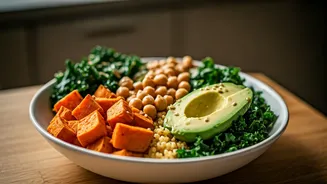
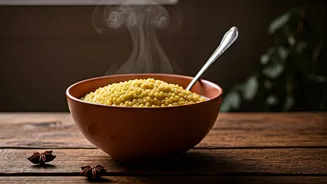
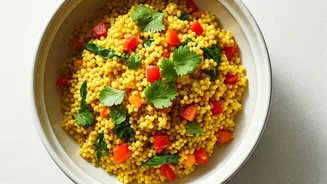
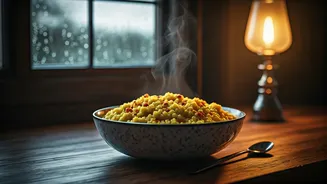
Picture this: a warm bowl filled with fluffy, distinct grains, tossed with vibrant, crunchy vegetables, seasoned with a fragrant tadka of mustard seeds and curry leaves, and perhaps topped with a dollop of yoghurt or a sprinkle of toasted nuts. It’s not
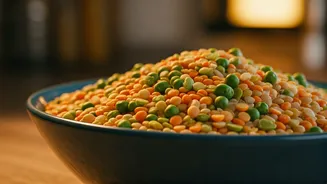
quite khichdi, and it’s definitely not a simple salad. This is the spiced millet bowl, a dish that’s quietly making its way into urban Indian kitchens and cafes. It captures the soul of a one-pot meal — comforting, nourishing, and deeply satisfying — but with a distinctly modern sensibility. Instead of the familiar blend of rice and dal, the star here is the humble millet, a category of ancient grains that is experiencing a massive revival.
The Khichdi Connection
Calling it a ‘khichdi cousin’ is more than just a catchy phrase; it’s an apt description of its culinary DNA. Like khichdi, the millet bowl is incredibly versatile. It’s a canvas for whatever you have in your pantry. Leftover sabzi? Toss it in. Need a protein boost? Add some paneer, chickpeas, or a boiled egg. Feeling under the weather? Make it simple and soupy. Celebrating a small win? Make it rich and flavourful. Both dishes are rooted in the philosophy of providing complete, balanced nutrition in a single bowl. The key difference lies in texture and grain. While khichdi is celebrated for its soft, often mushy consistency, millet bowls typically feature grains that remain separate and fluffy, offering a more varied texture with every bite. It’s the familiar comfort, just reimagined for a palate that enjoys a bit more bite and structure.
Why Millets, Why Now?
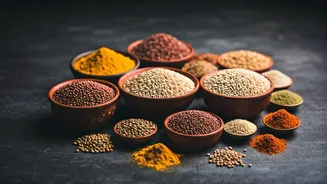
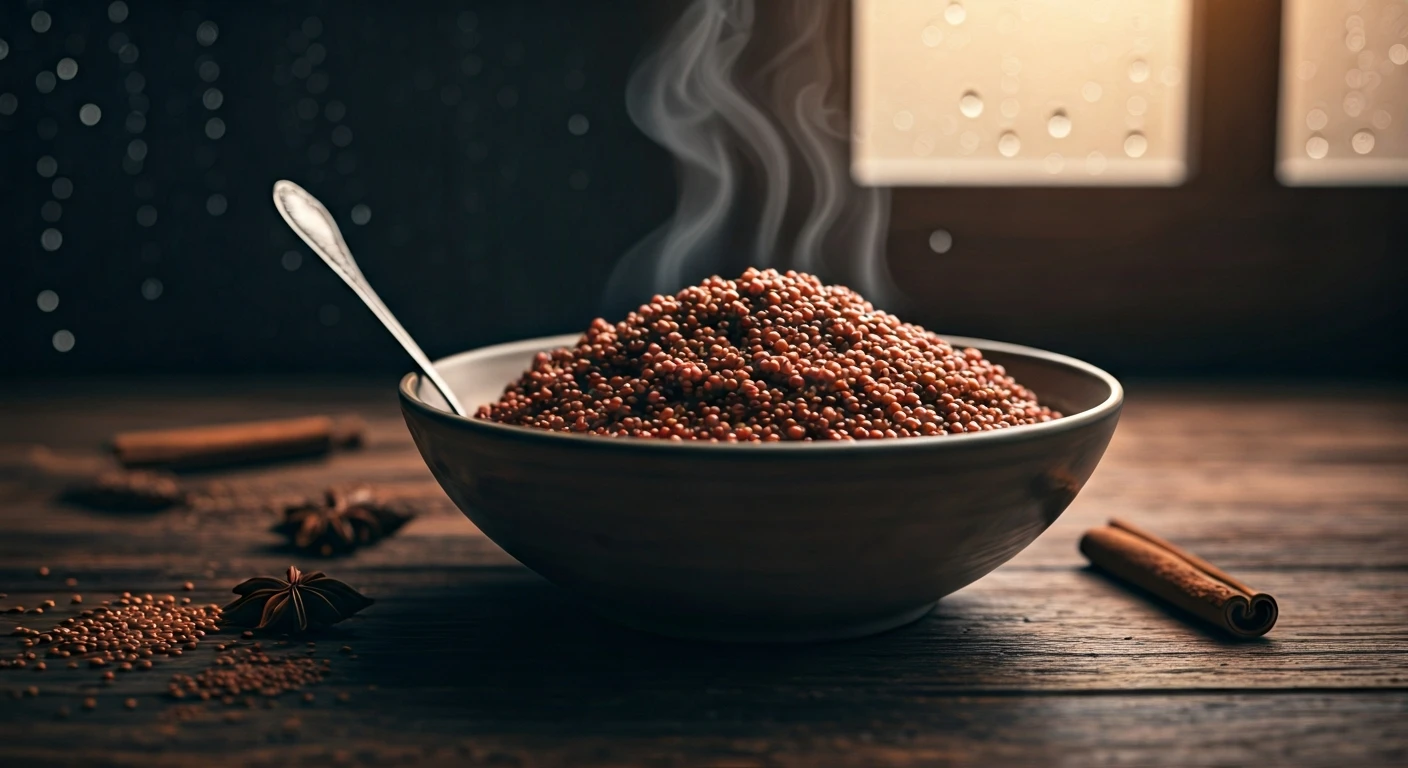
The rise of the millet bowl isn’t a random phenomenon. It’s fueled by a perfect storm of health consciousness, sustainability concerns, and a renewed pride in indigenous ingredients. With 2023 designated as the International Year of Millets by the UN, these ‘nutri-cereals’ like jowar (sorghum), bajra (pearl millet), ragi (finger millet), and foxtail millet are finally getting their moment in the sun. Nutritionally, they are powerhouses. Most are gluten-free, rich in fibre, packed with protein, and have a lower glycemic index compared to polished white rice, making them excellent for managing blood sugar levels. For a generation increasingly wary of processed foods and focused on wellness, millets tick all the right boxes. They are also incredibly resilient crops, requiring less water than rice and wheat, which makes them a sustainable choice for a climate-conscious world.
Building Your Own Bowl
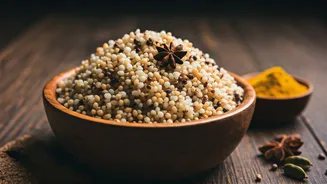
The beauty of the spiced millet bowl is its simplicity and adaptability. You don't need a rigid recipe, just a guiding principle. Start with your choice of millet—foxtail and little millet are great for beginners as they cook quickly and have a neutral taste. Cook the millet just like you would rice. In a separate pan, prepare your base. Sauté onions, ginger, garlic, and tomatoes. Add your favourite vegetables—carrots, peas, beans, bell peppers. Spice it up with turmeric, cumin, coriander powder, and a touch of garam masala. Finally, fold in the cooked millet and let the flavours meld. The final flourish is the tadka, which elevates the dish from good to great. A simple sizzle of ghee, mustard seeds, and asafoetida can transform the entire bowl.