



The Season of Joyful Excess
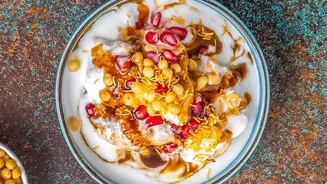
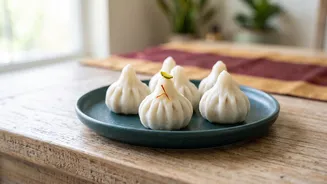
From Diwali to Durga Puja, Indian celebrations are woven around food. It’s a time of togetherness where love is expressed through laddoos, and hospitality is served in bowls of rich, fragrant curries. These moments are precious, but they can take a toll
on our bodies. The cycle of feasting on heavy, fried, and sugary foods often leads to bloating, acidity, and a general feeling of sluggishness that can overshadow the festive cheer. More families are now acknowledging this reality, seeking ways to partake in every tradition without feeling weighed down. The goal is no longer about restriction but about finding a thoughtful balance between joyous feasting and physical well-being.
Smart Swaps, Not Sacrifices
One of the most effective strategies is making small changes in the kitchen that don't compromise on flavour. Instead of deep-frying snacks like chaklis or samosas, consider baking or air-frying them for a lighter crunch. When preparing sweets, swapping refined white sugar for jaggery or dates can offer a more nutritious form of sweetness. Even the choice of cooking oil matters; using groundnut oil or ghee in moderation is preferable to repeatedly using refined oils. These simple adjustments allow you to serve and enjoy traditional favourites in a healthier way, proving that festive food can be both delicious and gentle on the stomach.
Embrace Mindful Indulgence
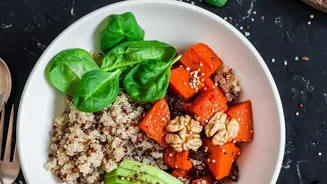
The way you eat is just as important as what you eat. Rushing through meals amidst the chaos of celebration is a common cause of overeating and indigestion. Practising mindful eating can make a significant difference. This means eating slowly, chewing each bite thoroughly, and truly savouring the flavours. Another proven technique is portion control. Use smaller plates and don't feel pressured to try everything at once. Prioritising protein and fibre-rich foods like salads, dal, or paneer before reaching for sweets can help you feel full and satisfied, preventing you from overindulging in high-calorie treats later.
Harness Traditional Digestive Wisdom
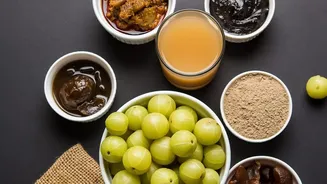
For generations, Indian kitchens have held the secrets to good digestion. Ayurveda offers timeless wisdom for managing festive feasts. Incorporating digestive spices like ginger, cumin (jeera), carom seeds (ajwain), and fennel (saunf) into your cooking can greatly aid digestion and prevent bloating. Sipping on warm water throughout the day helps flush out toxins and keeps the digestive fire, or 'Agni', strong. A glass of buttermilk (chaas) or a bowl of plain curd with your meal can also have a wonderfully soothing effect, thanks to its natural probiotics. These simple, age-old remedies are powerful tools for maintaining gut health.
Plan Your Feasts and Recovery
A little planning goes a long way. It’s unrealistic to eat clean every single day during the festive period, so plan your indulgences. If you know you're attending a big dinner party, opt for lighter, home-cooked meals during the day. Crucially, don't skip meals to ‘save’ calories, as this often leads to overeating later. Hydration is also key; drinking plenty of water, coconut water, or lime juice helps manage hunger and digestion. And after a night of feasting, the best approach is a gentle reset. The next day, focus on simple, nourishing foods like khichdi, soups, and steamed vegetables to give your digestive system a well-deserved rest.