
The End of the One-Time-Wear Outfit
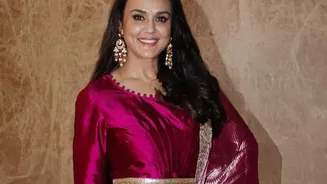
The era of purchasing an elaborate lehenga or saree for a single wedding and then banishing it to the back of the closet is drawing to a close. A new mindset, driven by both economic sense and environmental consciousness, is taking hold. Consumers are increasingly
calculating the 'cost-per-wear' of their garments. A heavily embellished outfit worn once represents poor value, whereas a versatile piece worn ten times becomes a smart investment. This change is a pushback against the fast fashion cycle, with a growing number of shoppers, particularly millennials and Gen Z, preferring quality and longevity over fleeting trends. This has led to a boom in sustainable local brands that champion ethical production and timeless design.
The New Wardrobe Heroes: Versatility is Key
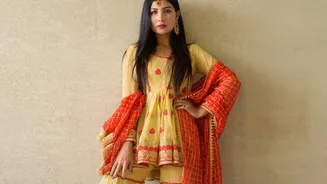
So, what are these versatile heroes? Think fusion wear and smart separates that blur the lines between traditional and contemporary. A well-cut kurta, for example, can be paired with palazzos for a festive look, jeans for a casual outing, or even worn as a dress. A beautifully embroidered or printed dupatta can elevate a simple solid-coloured suit or be draped over a Western outfit as a statement accessory. Lehenga skirts are being separated from their blouses and styled with crisp white shirts or modern crop tops. Designers are responding by creating collections that prioritize movement, comfort, and adaptability, such as Anarkalis that flow like gowns or jacket-style lehengas that offer two looks in one.
A Return to Mindful Consumption
This trend is more than just a fashion moment; it represents a deeper cultural return to traditional Indian values of resourcefulness. Veteran designers note that concepts like upcycling and using every scrap of fabric ('katran') were once standard practice driven by necessity, long before 'circular fashion' became a buzzword. Today's slow fashion movement in India builds on this legacy, with designers celebrating handloom textiles, natural dyes, and local artisanship. Brands and designers are gaining recognition for turning textile waste into new apparel and developing innovative, biodegradable materials. Consumers are increasingly drawn to brands that share the stories of their makers, fostering a connection that goes beyond the garment itself.
How to Build a Restylable Wardrobe
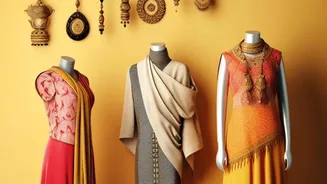
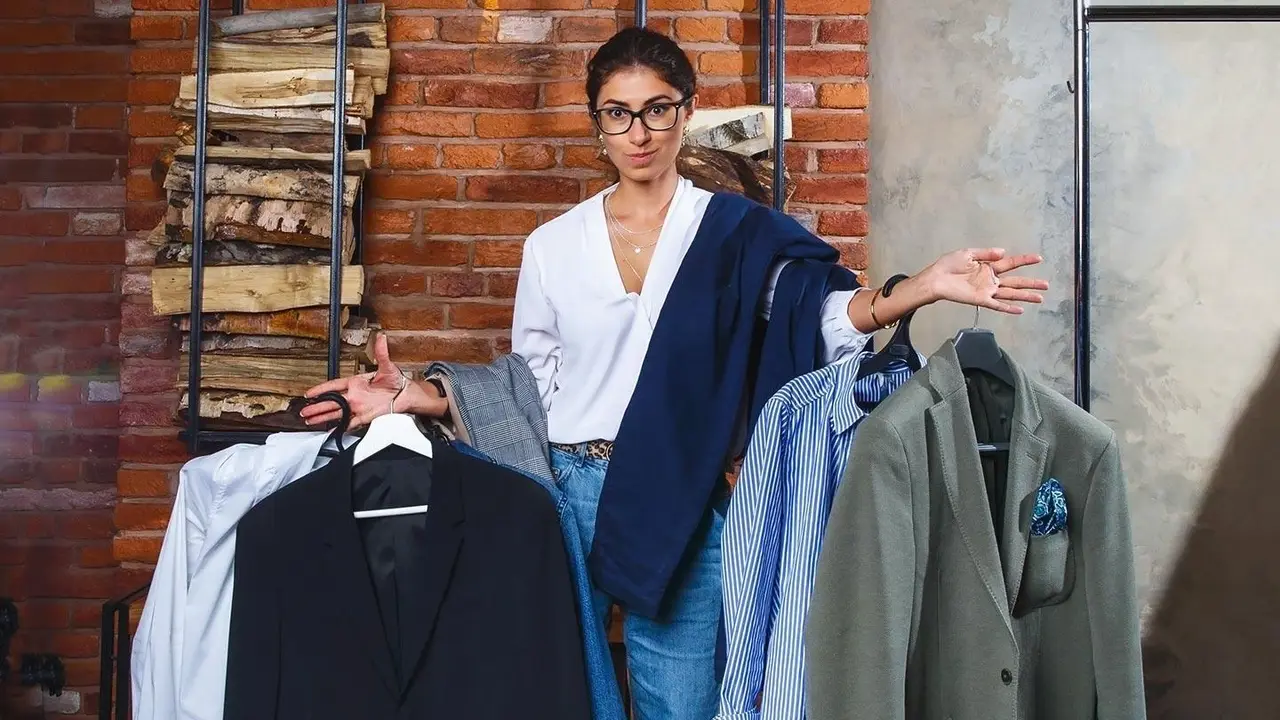
Adopting this approach doesn't require a complete overhaul. It starts with a shift in perspective: view each piece as an ingredient, not a complete recipe. When shopping, ask yourself if an item can be styled in at least three different ways with pieces you already own. Focus on swapping key elements to create a fresh look. For instance, the same kurta set can be transformed by changing the dupatta, footwear, or jewellery. A simple silk saree can be dressed up with a brocade blouse for a wedding or dressed down with a cotton blouse for a lunch. Investing in a few high-quality basics—like a classic handloom saree, a pair of well-fitting trousers, a statement dupatta, and a versatile blouse—can unlock dozens of new outfit combinations, proving that true style lies not in how much you own, but in how well you use it.