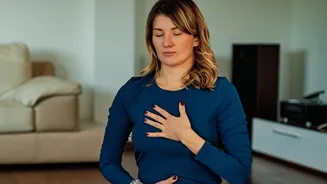







What is Breath Awareness?
Breath awareness is the simple practice of paying attention to your natural breathing. It’s not about controlling or changing your breath; it’s about observing it as it is. Think of your breath as an anchor to the present moment. It’s something your body
does automatically, yet you can also consciously observe it. This practice forms the foundation of many mindfulness and meditation techniques, helping to connect your mind and body, reduce stress, and improve focus. The goal is to simply notice the physical sensations of breathing without judgment.
The Key: Understanding 'Quiet Attention'
Many beginners believe meditation requires forcefully silencing the mind. This often leads to frustration. The secret is 'quiet attention'—a gentle, non-judgmental observation. It's the difference between staring intensely at an object and softly resting your gaze upon it. Instead of fighting distracting thoughts, you simply acknowledge them and gently guide your focus back to your breath. This approach cultivates calm by letting go of the struggle. The aim isn't an empty mind, but a mind that can return to a point of focus with gentle persistence.
A Simple Guide to Get Started
You can do this almost anywhere. Find a comfortable position, either sitting in a chair with your feet flat on the floor, or lying down. You can close your eyes or soften your gaze by looking downwards. Loosen any restrictive clothing. Let your breath find its own natural rhythm without trying to alter it. Simply bring your attention to the feeling of the breath. Where do you feel it most? It might be the cool air entering your nostrils, the rise and fall of your chest, or the expansion of your belly. Stay with this sensation.
When Your Mind Wanders (And It Will)
It is completely natural for your mind to wander to thoughts, plans, or daydreams. In fact, this is an essential part of the practice. When you notice your attention has drifted, don't be hard on yourself. The exercise is not to have zero thoughts, but to notice that you have been distracted. Simply acknowledge the thought without judgment, and then gently redirect your awareness back to the sensation of breathing. Each time you do this, you are strengthening your ability to focus and practicing non-judgmental awareness. Your breath is always there to return to.
Tips for Building a Consistent Practice
Consistency is more important than duration. Start with just two to five minutes a day. It can be helpful to practice at the same time each day to build a habit. Try practicing when you're already calm, as this makes it easier to use the technique when you're feeling stressed. Remember, the goal is not to achieve a 'perfect' state of blissful silence. Some days will feel easier than others. The true practice is in showing up, being kind to yourself, and gently returning your attention to the simple, calming rhythm of your breath again and again.