



A Breeding Ground for Disease
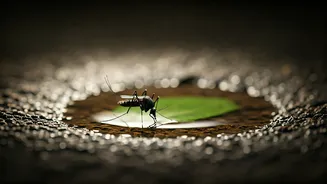
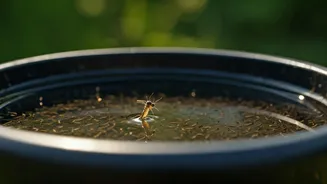
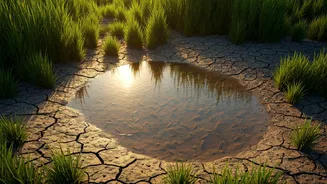
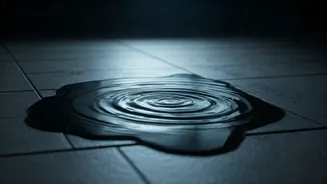
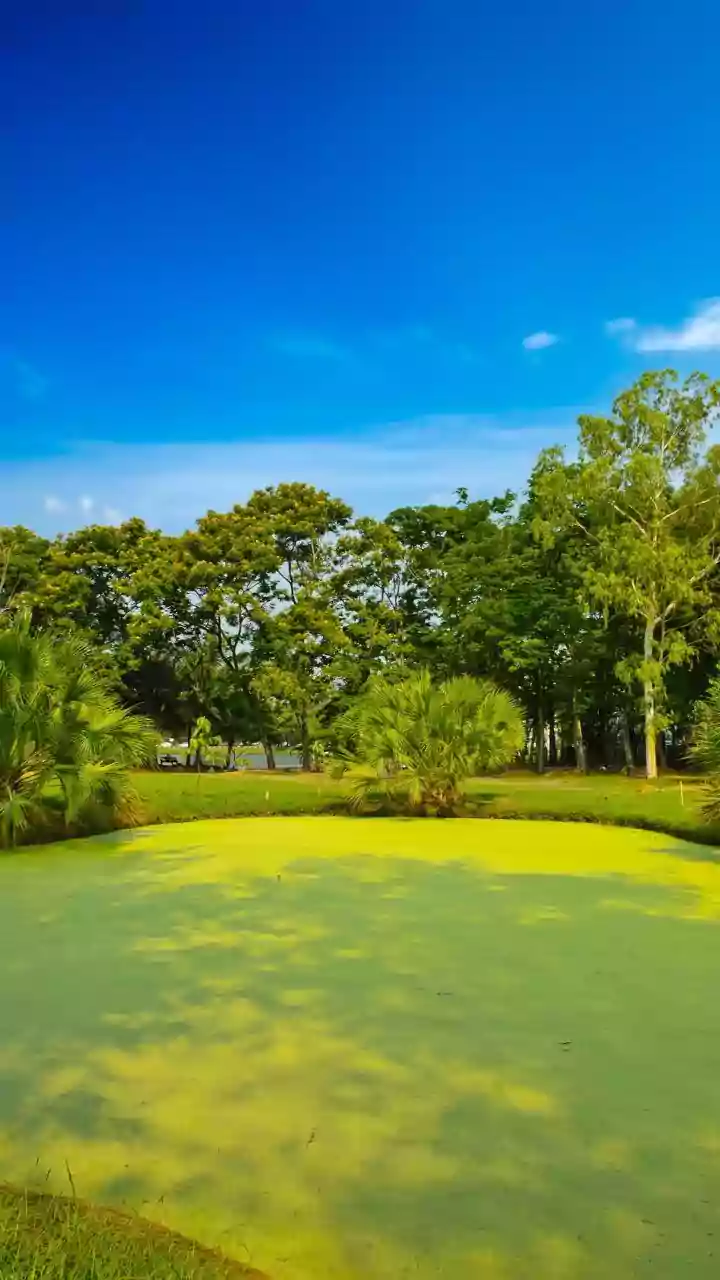
The most immediate and well-known danger of standing water is its role as a prime breeding ground for mosquitoes. In India, this is not a trivial concern. The Aedes aegypti mosquito, which transmits dengue, chikungunya, and Zika, can lay hundreds of eggs
in a water-filled container as small as a bottle cap. These eggs can hatch in as little as a week, turning a tiny puddle into a neighbourhood health crisis. Dengue fever can lead to severe complications, while chikungunya causes debilitating joint pain. Malaria, spread by the Anopheles mosquito which also breeds in stagnant water, remains a significant public health issue. Allowing water to collect in and around your home is an open invitation for these vector-borne diseases to thrive, putting your family and your community at risk.
The Hidden Dangers You Can't See
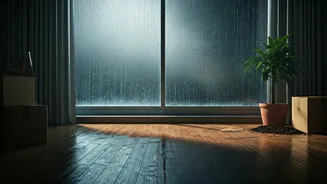
Beyond mosquitoes, stagnant water poses several other threats. It can become contaminated with bacteria and parasites, creating a risk for diseases like leptospirosis, especially if it's mixed with soil or animal waste. Indoors, persistent dampness and standing water create the perfect environment for mould and mildew to grow. Mould spores can trigger allergic reactions, asthma attacks, and other respiratory problems. Furthermore, water is the enemy of construction. Water that pools near your home's foundation can seep into the structure, weakening concrete, causing cracks, and leading to expensive long-term structural damage. It can also damage wooden floors, walls, and furniture, creating a costly repair nightmare long after the water is gone.
Your Weekly Inspection Checklist
Preventing the problem is easier than curing it. Make it a habit to do a quick 10-minute inspection of your home and its immediate surroundings at least once a week. Pay close attention to these common hotspots: - **Outdoor Areas:** Check plant pot saucers, discarded tyres, buckets, bird baths, and any unused containers. Turn them upside down to drain. - **Roofs and Balconies:** Ensure gutters and drains are clear of leaves and debris so water can flow freely. Check for any low spots on flat roofs where water might pool. - **Indoor Spaces:** Look under sinks for leaks, check refrigerator drip trays, and make sure AC units are draining properly. Don't forget to check and clean water in desert coolers regularly. - **Water Storage:** Tightly cover all tanks, barrels, and buckets used for storing water. An uncovered water tank is a massive breeding site.
Simple Steps for Removal and Prevention
Found some standing water? Here's what to do. The mantra is simple: Tip, Drain, and Dry. For any container holding water, tip it over to drain it completely. For puddles that can't be tipped, use a mop or cloth to dry the area. When you drain a container, it's a good idea to scrub the inside surfaces. Mosquito eggs can stick to the sides and survive even when dry, waiting for the next rainfall. For larger bodies of water like ornamental ponds, consider introducing fish that eat mosquito larvae. For water coolers and tanks that must hold water, clean them thoroughly every week. You can also use approved larvicides, but be sure to follow the safety instructions carefully, especially for water that might be used by people or animals.
When to Ask for Help
While most instances of standing water can be managed yourself, some situations require professional intervention. If you have a persistent leak causing water to pool inside or outside your home, it's crucial to call a plumber immediately. A recurring plumbing issue will not only continue to pose a health risk but can also lead to severe water damage. For large-scale mosquito infestations or significant waterlogging in your neighbourhood, don't hesitate to contact your local municipal corporation or public health department. They have the resources and authority to carry out fogging operations and address larger drainage issues that are beyond the control of a single household.