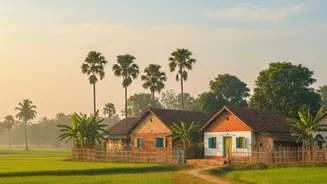



When winter's chill arrives, India's wilderness transforms. The pleasant weather and clearer landscapes create magical opportunities for wildlife viewing, offering experiences you won't find at any other time of the year.
Kaziranga National Park, Assam
Famous for being the world's primary
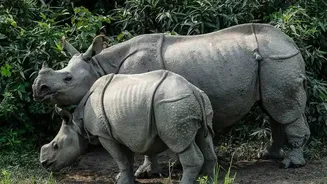
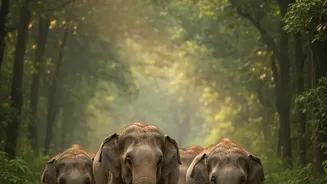
stronghold of the one-horned rhinoceros, Kaziranga is a must-visit in winter. The park, which remains closed during the monsoon due to flooding from the Brahmaputra River, reopens from November to April. The winter months offer cool, pleasant weather, making for comfortable jeep and elephant safaris. With the tall elephant grass drying out and receding, visibility is at its peak, drastically improving your chances of spotting rhinos, herds of wild elephants, Asiatic wild water buffalo, and swamp deer. Winter is also a paradise for birdwatchers, as migratory species like the bar-headed goose, greylag geese, and various ducks arrive from Central Asia and Siberia, joining the park's resident water birds.
Keoladeo National Park, Rajasthan
Formerly known as Bharatpur Bird Sanctuary, Keoladeo is a UNESCO World Heritage Site that becomes one of the world's most spectacular avian hubs in winter. This man-made wetland, once a duck-hunting reserve for maharajas, attracts thousands of migratory birds between November and February. The wetlands teem with species like northern pintails, gadwalls, Eurasian spoonbills, and bar-headed geese that have flown across the Himalayas. The park's well-maintained trails are perfect for exploring by foot, cycle, or cycle-rickshaw. The morning mist rising from the water creates a cinematic atmosphere, making it a dream for photographers and nature lovers. While the famed Siberian crane is now a rare sight, the sheer density and variety of other birds make Keoladeo an unmatched winter spectacle.
Ranthambore National Park, Rajasthan
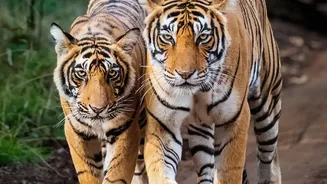
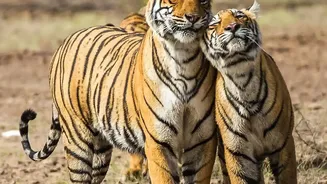
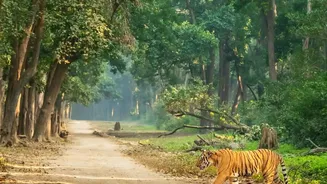
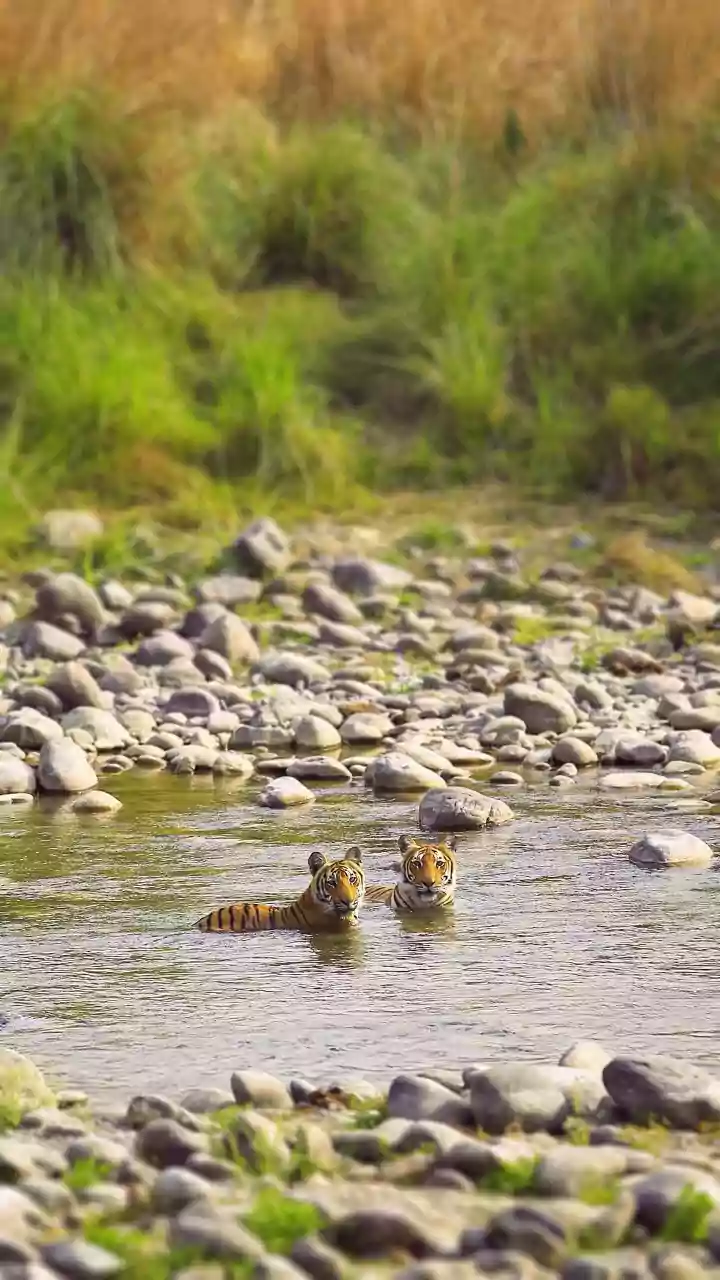
Winter is arguably the best time to see the majestic Bengal tiger in Ranthambore. The cool, pleasant daytime weather is perfect for safari drives through the park's dramatic landscape of ancient forts, rocky outcrops, and lakes. In the cold mornings, tigers are often found basking in the sun in open clearings to warm up, which increases the probability of sightings. The vegetation, lush from the preceding monsoon, thins out by winter, improving visibility. Beyond tigers, the park is home to leopards, sloth bears, and sambar deer. The misty mornings and golden light create stunning photographic opportunities, with the 10th-century Ranthambore Fort providing a majestic backdrop to the wild drama.
Jim Corbett National Park, Uttarakhand
As India’s oldest national park, Jim Corbett offers a classic winter safari experience in the foothills of the Himalayas. From November to February, the weather is cool and pleasant, with crisp, clear days perfect for exploring its diverse zones like Bijrani and Jhirna. The reduced foliage and animals gathering near water sources improve wildlife sighting chances. While tigers remain the main attraction, herds of elephants are also frequently spotted. Winter is also an exceptional time for birdwatching, as the park hosts a multitude of migratory birds alongside its resident species like the spot-bellied eagle owl and rosy minivet. The misty mornings, especially in the grasslands, lend a mystical quality to the landscape.
Great Himalayan National Park, Himachal Pradesh
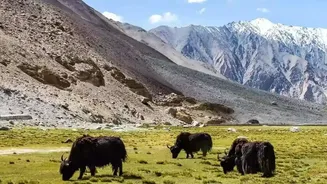
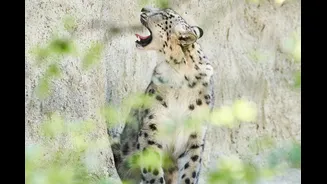
For a truly distinct and adventurous winter wildlife experience, the Great Himalayan National Park, a UNESCO World Heritage Site, is unparalleled. While the higher altitudes are covered in heavy snow, the lower-altitude forests become a refuge for animals migrating down from the cold. Autumn and early winter (September-November) are ideal for spotting elusive species like the Himalayan tahr, blue sheep (bharal), and the Himalayan brown bear. The park is also a haven for birdwatchers, with species like the Himalayan monal and the endangered western tragopan. Although challenging, this park offers a chance to see rare high-altitude fauna, including the incredibly elusive snow leopard, for those prepared for rugged trekking in a truly wild and protected Himalayan habitat.