



An Economy Reliant on Imports
India's economy runs on oil it doesn't produce. The country imports a staggering amount of its crude oil—the raw material for petrol and diesel. Recent government data shows this dependency has climbed to a record 88.7%. This reliance means that when
prices fluctuate on the global market due to geopolitical events, supply cuts, or increased demand, India has little choice but to pay up. Crude oil is the nation's single largest import item, making the entire economy vulnerable to international price shocks. While Russia has recently become a top supplier, alongside traditional sources from the Middle East, the fundamental exposure to global markets remains unchanged.
From the Oil Field to Your Fuel Tank
The price you pay for petrol or diesel is a complex calculation. It starts with the base price of crude oil, which is traded in US dollars. This means a weaker rupee makes every barrel more expensive even if the dollar price hasn't changed. After oil marketing companies purchase and refine the crude, the central government adds its excise duty, and then state governments levy their own Value Added Tax (VAT). Finally, a commission for the dealer is added. While taxes are a significant component, the underlying cost of crude oil and the exchange rate set the foundation for the final retail price that directly affects every vehicle owner.
The Direct Impact on Transport
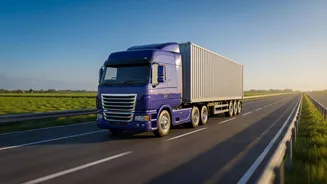
Diesel is the lifeblood of India's logistics network. An estimated 70% of the country's freight is moved by road, almost entirely powered by diesel trucks. When diesel prices rise, the operating cost for every transporter goes up. This isn't a cost that logistics companies can easily absorb. The increased expense is passed on through higher freight charges. Whether it's a truck delivering new cars to a showroom, consumer goods to a local shop, or raw materials to a factory, the cost of moving those items increases. Ultimately, that higher cost is paid by the end consumer.
The Hidden Link to Your Kitchen
The most significant, yet often overlooked, impact of high fuel prices is on the cost of food. The connection goes far beyond just the trucks that transport produce from the farm to the market. Farmers rely heavily on diesel to power tractors for ploughing fields and for running irrigation pumps to water their crops. Furthermore, the production of essential agricultural inputs like fertilizers is an energy-intensive process, making their prices sensitive to fuel costs. When the cost of farming itself goes up due to pricier diesel, the base cost of producing vegetables, grains, and other foods rises, leading to higher prices at the mandi and in your grocery basket.
A Ripple Effect Through the Economy
The chain reaction doesn't stop at transport and food. These rising costs contribute directly to headline inflation, which is the measure of the overall increase in prices. Sustained high oil prices can act as a drag on the entire economy. It can lead to lower profit margins for businesses, which might discourage investment and hiring. For households, higher spending on necessities like fuel and food means less money available for other goods and services, dampening consumer demand. This forces the Reserve Bank of India to consider measures like raising interest rates to control inflation, which can in turn make loans more expensive and slow down economic growth.