





The Hidden Dangers in Monsoon Water
As the rain pours down, the risk of water contamination skyrockets. Drains overflow, sewage systems get overwhelmed, and pipelines can crack, leading to cross-contamination between drinking water and wastewater. This creates a perfect breeding ground
for a host of dangerous pathogens. Groundwater sources, which many households rely on, can become polluted with runoff from agricultural and industrial areas. The water that looks clear in your glass might be carrying invisible threats like bacteria (E. coli, Salmonella Typhi), viruses (Hepatitis A and E, Norovirus), and protozoa (Giardia, Cryptosporidium). These microorganisms are the primary culprits behind the seasonal spike in waterborne diseases that fill clinics and hospitals every year.
Recognising Waterborne Illness
Consuming contaminated water can lead to a range of illnesses, from mild discomfort to life-threatening conditions. The most common is acute gastroenteritis, with symptoms like diarrhoea, vomiting, abdominal cramps, and dehydration. More serious diseases include typhoid, a bacterial infection causing high fever, weakness, and stomach pain; cholera, which leads to severe, watery diarrhoea and rapid dehydration; and jaundice (Hepatitis A or E), a viral infection that affects the liver, causing yellowing of the skin and eyes, fatigue, and nausea. Recognising these symptoms early and understanding their link to water quality is the first step in seeking timely medical care and preventing further spread within the family.
The Gold Standard: Boiling Your Water
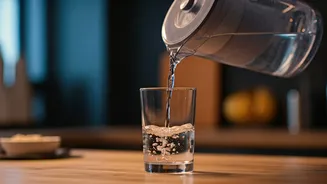
The most effective, accessible, and time-tested method for making water safe is to boil it. It’s a simple process that kills virtually all disease-causing microorganisms. However, there’s a right way to do it. Bring the water to a full, rolling boil—where bubbles are vigorously rising—and maintain it for at least one full minute. In higher altitude areas (above 2,000 metres), you should boil it for three minutes. After boiling, let the water cool down on its own without adding ice. Store it in a clean, covered container. For many public health experts, this remains the gold standard for water purification at home, especially when the source is uncertain.
Modern Filters: RO, UV, and UF Explained
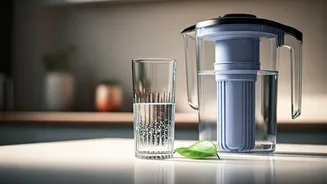
Many urban homes now rely on electric water purifiers. Understanding what they do is key. Reverse Osmosis (RO) purifiers use a semi-permeable membrane to remove dissolved salts, chemicals, and heavy metals, along with bacteria and viruses. Ultraviolet (UV) purifiers use UV light to kill or inactivate microorganisms but don't remove dissolved impurities. Ultrafiltration (UF) uses a membrane to block bacteria and viruses but, like UV, does not remove dissolved solids. Many modern systems combine these technologies (RO+UV+UF) for comprehensive purification. During the monsoon, it's crucial to ensure your purifier is serviced and its filters are clean and functioning correctly, as the increased sediment and microbial load can clog them faster.
Beyond Drinking: Everyday Water Safety
Your focus on clean water shouldn't end with what you drink. Use purified or boiled water for all aspects of food preparation and personal hygiene. This includes washing fruits and vegetables, especially leafy greens that can trap contaminated soil and water. Avoid eating raw produce from outside unless you're certain it has been washed in safe water. Use safe water for brushing your teeth and rinsing your mouth. A common mistake is using unsafe tap water for making ice cubes; remember that freezing does not kill all pathogens. Be wary of juices, chutneys, and golas from street vendors, as the water source is often unknown. Adopting these habits creates a complete safety net against waterborne diseases.