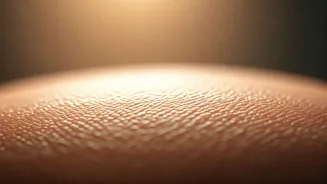









The Glow We're All Chasing
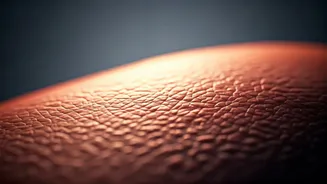
Exfoliation is the process of removing dead cells from the surface of your skin. Our skin naturally sheds these cells about every 30 days to make way for new ones. Sometimes, this process is incomplete, leaving behind a layer that can make the complexion
look dull and rough. By speeding this up, exfoliation can reveal brighter skin, improve the absorption of other skincare products, and even help prevent clogged pores. In the long term, some experts believe it can stimulate collagen production, which helps maintain skin firmness. With promises like these, it's no wonder that many of us have made it a frequent, aggressive step in our routines.
The Telltale Signs of Overdoing It
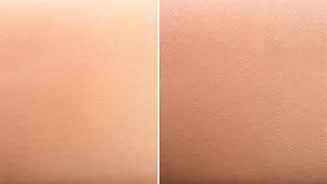
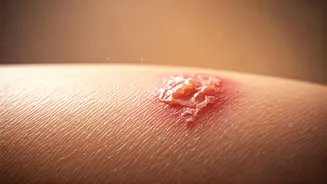
More isn't always better, and over-exfoliation is a perfect example. Pushing your skin too far can lead to a host of uncomfortable symptoms. The most common signs include redness, irritation, and a persistent burning or stinging sensation when you apply other products. Your skin might feel tight and dry, no matter how much moisturiser you use, or it could develop a strange, waxy shininess that isn't a healthy glow. Counter-intuitively, stripping your skin can also trigger more breakouts, as the compromised surface becomes more vulnerable to bacteria and inflammation. If your go-to products suddenly start to sting, your skin is sending a clear signal to pull back.
Your Skin's Protective Shield
To understand why over-exfoliation is a problem, you need to know about the skin barrier, also known as the stratum corneum. Think of it as a brick-and-mortar wall: the 'bricks' are your skin cells (corneocytes), and the 'mortar' is a mix of natural fats like ceramides, cholesterol, and fatty acids that hold everything together. This barrier has two critical jobs: keeping moisture in and keeping harmful things like pollutants and bacteria out. When you exfoliate too often or too harshly, you don't just remove dead cells; you strip away that crucial lipid mortar. A damaged barrier can't retain water effectively, leading to dehydration and sensitivity.
Finding Your Exfoliation Sweet Spot
So, how often should you exfoliate? The answer depends entirely on your skin type. Dermatologists generally recommend a maximum of two to three times per week. Those with oily skin might be able to tolerate exfoliating up to three times a week, while those with dry or sensitive skin should stick to once a week, or even less. For combination skin, exfoliating once or twice a week and focusing on oilier zones can be effective. It’s crucial to listen to your skin. If you notice any signs of irritation, it’s a cue to reduce the frequency. Remember, the goal is consistency and gentleness, not intensity.
How to Heal a Damaged Barrier
If you suspect you've overdone it, the first step is simple: stop exfoliating immediately. Halt all use of physical scrubs and chemical exfoliants like AHAs, BHAs, and retinoids for at least a week or two. Strip your routine back to the essentials: a gentle, non-foaming cleanser, a supportive moisturiser, and daily sunscreen. Look for moisturisers with barrier-repairing ingredients like ceramides, hyaluronic acid, and fatty acids, which act like replenishment for that 'mortar' you accidentally scrubbed away. Be patient; it can take anywhere from two weeks to a few months for your skin to fully recover its strength and balance.