





The Irresistible Monsoon Craving
For generations, the first downpour of the monsoon has triggered a near-instinctive craving across India. It’s a desire for something hot, savoury, and deeply comforting. Snacks like pakoras, samosas, bhajjis, and kachoris are more than just food; they
are an integral part of the rainy-day experience, a tradition passed down through families. The sizzle of batter hitting hot oil is the soundtrack to many a cosy afternoon spent watching the rain. This connection is partly psychological—comfort food helps boost our mood when the skies are grey—and partly practical, as warm foods are traditionally believed to help ward off colds during the damp season.
Why The Change? The Wellness Wave Arrives
So why tamper with a perfect tradition? The shift is being driven by a larger cultural current: a growing, mainstream focus on health and wellness. As urban Indians become more conscious of their dietary choices, the heavy, deep-fried nature of these beloved snacks has come under scrutiny. Calories, trans fats, and the general lethargy that follows a fried-food binge are concerns that didn't dominate conversations a generation ago. The rise of home-cooking during the pandemic also accelerated experimentation. Armed with new kitchen gadgets and a wealth of online information, people began asking: can we have our pakora and eat it too?
The Pakora and Bhajji Makeover
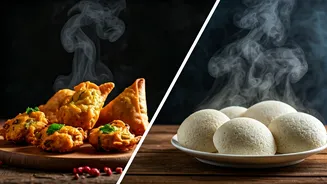
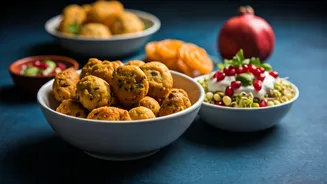
The pakora is ground zero for this healthy rebrand. The most significant innovation is the cooking method. Air fryers have become the weapon of choice, allowing home cooks to achieve a satisfying crispness with a fraction of the oil. A light brush or spray is often all that's needed. Beyond that, the batter itself is being upgraded. Besan (chickpea flour) is being supplemented or replaced with healthier alternatives like oat flour, ragi (finger millet), or jowar (sorghum) flour, which add fibre and nutrients. Vegetables are also playing a bigger role, with cooks incorporating spinach, grated carrots, and cabbage into the mix, turning a simple indulgence into something more nutritionally dense.
Reinventing the Samosa
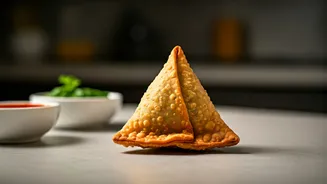
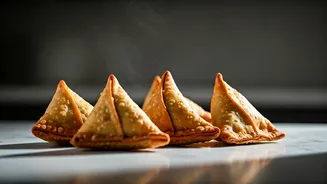
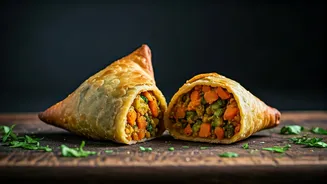
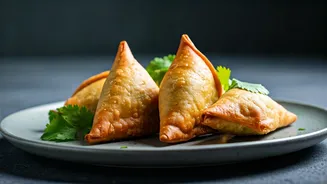
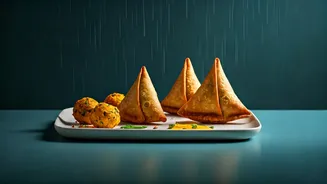
The mighty samosa, king of street food, has not escaped this transformation. The biggest villain in a traditional samosa is the deep-fried maida (refined flour) shell. The healthy alternative? Baking. Baked samosas, with a crust made from whole wheat flour (atta) or a blend of millets, are becoming a staple in health-conscious cafes and kitchens. The filling is also getting a rethink. While the classic spiced potato and pea mixture remains popular, many are now opting for lighter fillings like minced chicken, crumbled paneer with leafy greens, or a mix of lentils and sprouts, boosting the protein content and reducing the carb load.
Beyond the Usual Suspects
This trend extends far beyond the two most famous monsoon snacks. Dahi vadas, traditionally made with deep-fried lentil dumplings, are now being made in an 'appe' pan (aebleskiver pan), which requires minimal oil. Moong dal chillas (savoury lentil crepes) are being stuffed with sautéed vegetables to serve as a low-cal, high-protein alternative to oily parathas. Even the humble kachori is getting a baked version. The core principle remains the same: identify the unhealthiest part of the dish—usually the deep-frying and refined flour—and find a clever, modern substitute that doesn't compromise the soul of the recipe.