



Day 1: Jaipur – Blue Pottery & Fixed-Price Gems
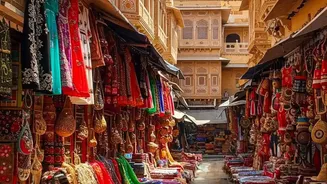
Arrive in the Pink City and sidestep the aggressive sellers at the main bazaars. For a calm and fair introduction to Rajasthani crafts, start at a government-run emporium like Rajasthali on M.I. Road. Here, prices are fixed, and the quality is assured,
giving you a baseline for what items should cost. In the afternoon, dive into one of Jaipur’s most famous crafts: blue pottery. This unique Turko-Persian art form doesn't use clay; its base is a mix of quartz, glass, and other materials. To see the real deal and buy directly from artisans, visit a dedicated workshop like the Jaipur Blue Pottery Art Centre or Kripal Kumbh. You'll not only find beautiful, lightweight pieces but also learn to identify fakes, which are often just heavy, painted clay.
Day 2: Jaipur – The World of Block Printing
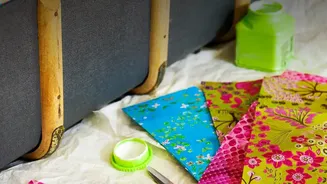
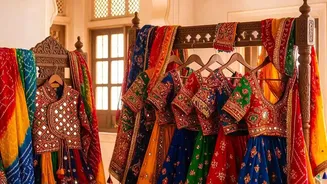
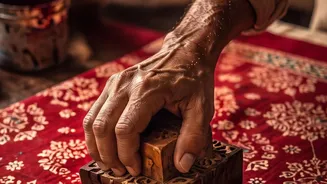
Today is all about textiles. While Jaipur's Bapu Bazaar and Nehru Bazaar are famous for fabrics, for a truly meaningful experience, go to the source. Take a short drive to the artisan villages of Sanganer or Bagru, the epicentres of hand block printing. Sanganer is known for its delicate floral motifs, often on a white background, while Bagru is famous for its earthy tones and natural dyes. Many workshops in these villages offer tours where you can watch artisans create the textiles, from carving the wooden blocks to the dyeing process. Some even offer hands-on sessions, allowing you to try printing your own scarf or fabric. Buying directly from these workshops ensures the artisans receive a fair price and you go home with a genuine piece of this 300-year-old tradition.
Day 3: Jodhpur – Spices, Leather, and Textiles
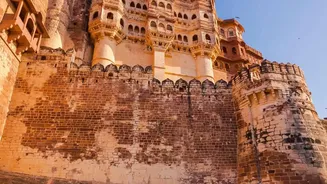
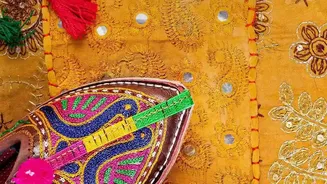
Travel to Jodhpur, the Blue City. Your first stop is the bustling Sardar Market near the Clock Tower, a sensory overload of spices, teas, and textiles. While here, look for authentic Bandhani (tie-dye) fabric. Then, it's time to find the perfect pair of Juttis (also called Mojaris). Instead of buying from a generic market stall, seek out the traditional cobbler communities in areas like Mochi Market. Here, you can find workshops where families have been hand-stitching and embroidering these leather shoes for generations. Some artisans even offer experiences where you can learn basic stitching techniques and co-create a small souvenir like a keychain, connecting you to the craft in a personal way.
Day 4: Udaipur – Art and Craftsmanship
Welcome to Udaipur, the city of lakes and a hub for artists. Today’s focus is on the city’s famed miniature paintings, an art form that has been practiced here for centuries. To avoid mass-produced prints, head to the streets around the City Palace or Hathi Pol Bazaar, where you'll find studios and galleries showcasing the work of local artists. Many artists are happy to demonstrate their techniques, using fine squirrel-hair brushes and natural stone pigments. For a broader look at regional crafts, spend the afternoon at Shilpgram. This sprawling rural arts complex, located just outside the city, acts as a living museum and marketplace for artisans from Rajasthan, Gujarat, Goa, and Maharashtra. Here, you can buy everything from terracotta to hand-woven textiles directly from the creators at fair prices.
Day 5: Udaipur – Final Treasures and Departure
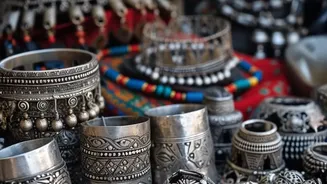
On your final day, explore Bada Bazaar, known for its silver jewellery, leather-bound journals, and textiles. This is your chance to pick up any last-minute gifts. Look for the intricate silver work that Udaipur is known for, often featuring tribal designs. After a final stroll through the old city's charming lanes, you'll depart not just with bags full of beautiful objects, but with the stories of the artisans who made them. You've successfully navigated beyond the tourist trail to find souvenirs that are not just items, but pieces of Rajasthani culture and heritage.