





The Hidden Dangers of the Sit-Up
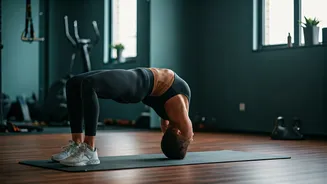
The traditional sit-up has been a staple of fitness tests and workout routines for generations. However, exercise science has revealed a significant downside: sit-ups can place considerable strain on the lower back. The movement involves repeatedly flexing
the lumbar spine, which pushes it against the floor and creates compressive forces on the spinal discs. This repetitive pressure can lead to discomfort, muscle strain, and even more serious issues like a bulging or herniated disc over time. Furthermore, sit-ups heavily engage the hip flexors, muscles that run from the thighs to the lower spine. When these muscles are overworked or tight, they pull on the lumbar vertebrae, which can contribute to lower back pain and poor posture.
Understanding Your Core's True Function
Many people think of the core as just the 'six-pack' muscles (the rectus abdominis). In reality, the core is a complex group of muscles that wraps around your entire torso, including deep abdominal muscles, obliques, and lower back muscles. Its primary job isn't to crunch or flex the body forward, but to stabilise the spine and pelvis. A strong, stable core acts as a central link between your upper and lower body, protecting your spine during everyday movements like lifting, twisting, or even just standing. Sit-ups focus on spinal flexion, while the core's main role is to resist unwanted movement and provide a solid foundation for all other activities.
Why the Plank is a Superior Choice
Enter the plank. The plank is an isometric exercise, meaning you hold a position rather than moving through a range of motion. This approach is far better for training the core's true function of stabilisation. Unlike sit-ups, planks keep the spine in a neutral position, avoiding the harmful compressive forces of repeated flexion. Planks engage the entire core musculature—including the deep transverse abdominis, which acts like a natural corset for your midsection—as well as your shoulders, back, and glutes. This full-body engagement not only builds functional strength but also improves posture and balance, reducing the overall risk of injury.
How to Perform the Perfect Forearm Plank
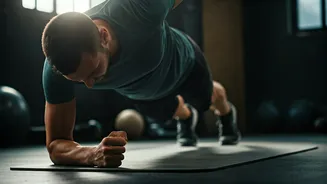
Proper form is crucial to get the benefits of a plank without causing strain. Start by lying face down. Place your forearms on the floor with your elbows directly under your shoulders and your arms parallel to your body. Lift your body, resting your weight on your forearms and toes. Your body should form a straight, rigid line from your head to your heels. Engage your core by pulling your belly button towards your spine and squeeze your glutes to keep your lower back from sagging. Keep your neck neutral by looking at the floor about a foot in front of your hands. Avoid letting your hips drop too low or hiking them up toward the ceiling. Hold the position for as long as you can maintain good form, starting with 20-30 seconds and building up from there.
Variations for Every Fitness Level
The beauty of the plank is its versatility. If a full plank is too challenging, start with a modified version. The knee plank is a great starting point; simply perform the exercise with your knees on the ground instead of your toes to reduce the load. As you get stronger, you can progress to a standard forearm or high plank (on your hands). To add more challenge, try a side plank, which is excellent for strengthening the obliques and improving stability. You can also introduce movement, such as lifting one leg at a time or performing plank walks, to further test your core control.