

Up in the Himalayan foothills, a warm, fragrant cup of herbal infusion is more than a beverage; it’s a wellness ritual. But you’ll rarely find it served with milk. This isn’t just a matter of taste, but a practice rooted in ancient wisdom.
The Tradition of Pure Brews
In the high-altitude
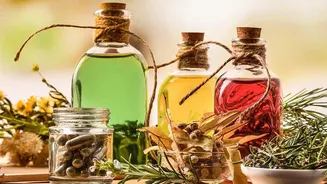
regions of the Himalayas, communities have for centuries relied on botanical brews for health and vitality. Infusions made from local flora like rhododendron flowers, sea buckthorn berries, tulsi (holy basil), and wild nettle are mainstays. These are not treated like the robust, milky masala chai of the plains. Instead, they are viewed as 'kadhas' or decoctions, prepared to deliver the pure essence and therapeutic properties of the plant. The goal is to ingest the herb with minimal interference, allowing its natural benefits—from boosting immunity to aiding digestion—to work unimpeded. The drink is a moment of connection with nature, and the local tradition honours this by keeping it simple and pure.
An Ayurvedic Perspective on Food Pairing
The practice aligns perfectly with core principles of Ayurveda, which places great emphasis on 'Viruddha Ahara', or incompatible food combinations. According to Ayurvedic texts, milk has specific qualities—it is cooling, heavy, and sweet. Combining it with foods or herbs that have opposing properties (like sour, salty, or highly astringent botanicals) can disrupt digestion, create toxins ('ama'), and, crucially, nullify the herb's intended therapeutic action ('prabhava'). Many Himalayan herbs used in infusions are astringent or pungent. Mixing them with milk would be considered a classic incompatible pairing, diminishing the very reason for drinking the infusion in the first place: to receive its full healing potential.
The Science of Milk and Polyphenols
Modern science now provides a compelling chemical explanation for this age-old wisdom. Many of the health benefits of herbal teas come from a class of antioxidants called polyphenols, which include compounds like catechins and flavonoids. These are the very molecules that help protect our bodies from cellular damage. However, milk contains proteins called caseins. When milk is added to a polyphenol-rich brew, the caseins have a strong tendency to bind with the polyphenols. This creates larger, more complex molecules that are difficult for the digestive system to absorb. While the debate continues on the exact percentage of reduction, studies have repeatedly shown that this binding process can significantly lower the bioavailability of these beneficial antioxidants. In essence, the milk 'locks up' the very compounds you are trying to absorb.
Preserving Taste, Aroma, and Effect
Beyond just antioxidant absorption, avoiding milk is also about preserving the full sensory profile of the infusion. Delicate herbal teas possess subtle aromas and complex flavours that are easily overpowered by the creamy, heavy nature of milk. For many traditional practitioners and connoisseurs, the experience of the tea includes its distinct taste and fragrance, which are considered part of its effect. Adding milk fundamentally changes the character of the beverage, transforming it from a light, clarifying botanical drink into something heavier and more muted. In some cases, particularly with acidic herbs like hibiscus or certain berries, milk can even curdle, creating an unpleasant texture. By forgoing milk, one ensures the infusion is experienced exactly as nature intended.
When Milk is Welcome
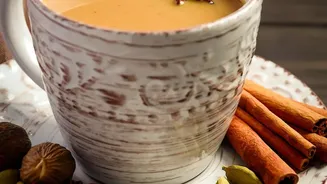
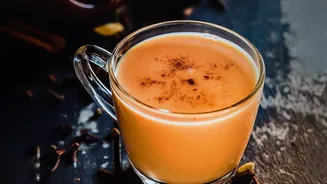
This rule, however, is not universal. The tradition of avoiding milk applies primarily to delicate herbal infusions where a specific therapeutic benefit is sought. The story is different for strong black teas, such as the Assam CTC (Crush, Tear, Curl) tea that forms the base of masala chai. These robust teas have a bold, malty flavour profile that can stand up to milk, sugar, and spices. In this context, the goal is not to taste a single delicate herb, but to create a rich, comforting, and flavourful beverage that is a cultural staple in its own right. The addition of milk here is intentional, creating a balanced and beloved drink where the individual components merge into a harmonious whole.