





The Modern, Breathable Rain Jacket
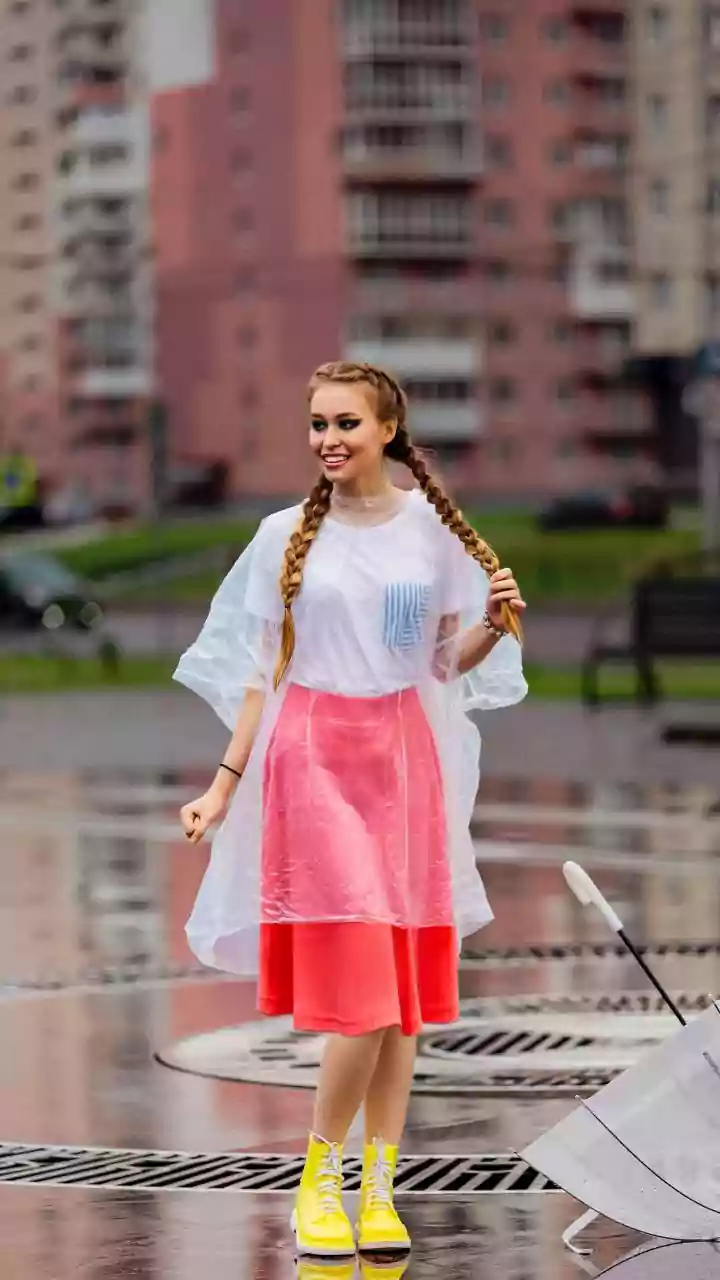
Forget the days of bulky, non-breathable plastic raincoats. Today’s rain jackets are engineered for both performance and style. Look for jackets with a waterproof rating of at least 5,000mm for city commuting, and 10,000mm or more for heavy exposure.
[3, 13] Materials like Gore-Tex or those with a PU (polyurethane) coating offer excellent water resistance while allowing sweat to escape, keeping you dry from the inside out. [8, 12] Brands are increasingly focusing on lightweight, packable designs in vibrant colours that can brighten up a gloomy day. [13, 24] A well-chosen rain jacket should have sealed seams to prevent leaks and an adjustable hood. [3, 10] For daily commuters, some jackets even feature designs that fit over helmets and reflective strips for safety. [10, 19]
Water-Ready Footwear is Non-Negotiable
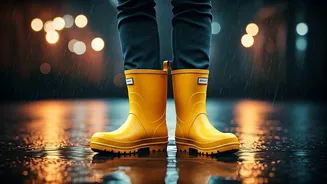
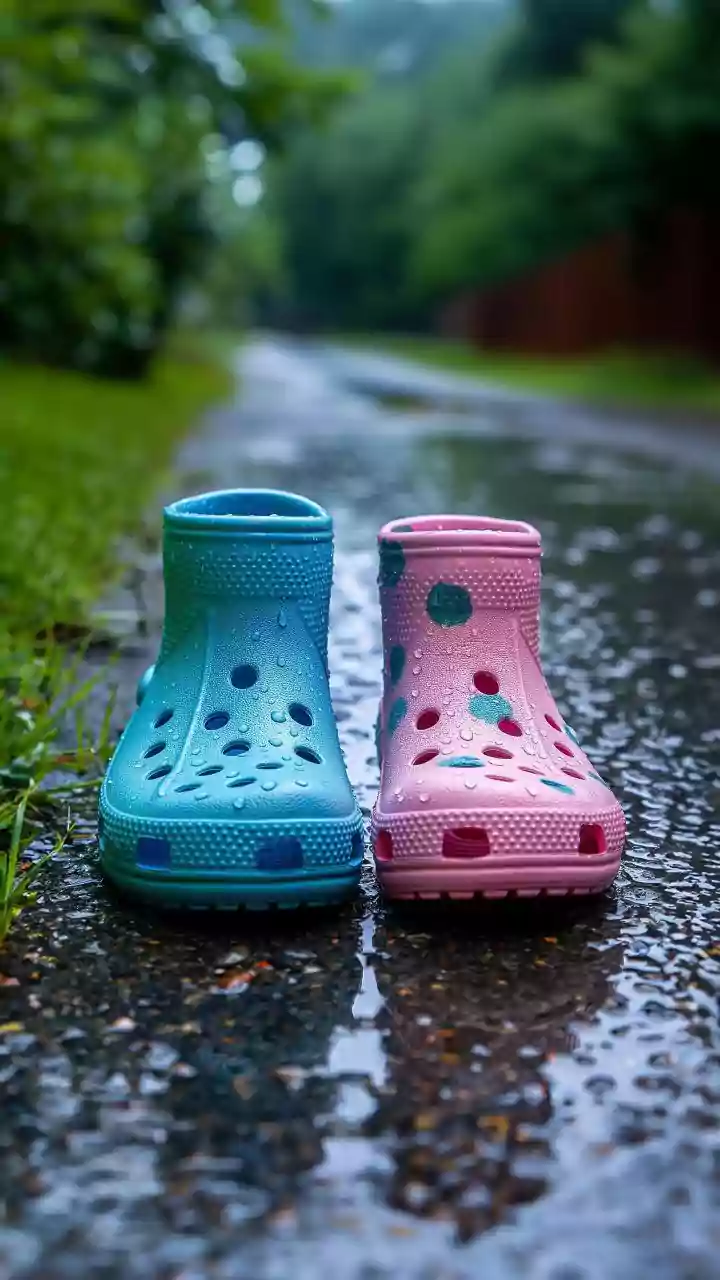
The wrong footwear choice during monsoon can lead to ruined shoes and discomfort. Leather and suede are best avoided as they get damaged by water. [6] Instead, opt for materials like rubber, PVC, or EVA. [15] Stylish options abound, from chic rubber boots and waterproof sandals to trendy clogs that keep your toes protected from mud. [18, 23] Look for footwear with anti-slip soles to ensure a firm grip on wet, slippery surfaces. [15] Open-toed sandals and flip-flops are great for allowing your feet to dry quickly, but for more protection, consider slip-on shoes or clogs. [6, 23] Platforms can also be a smart choice, giving you extra height to navigate puddles. [11]
Choose Your Fabrics Wisely
Fabric choice is crucial when humidity is high. The best materials are lightweight, breathable, and quick-drying. [7] Cotton blends, rayon, crepe, and georgette are excellent options as they don't hold onto moisture. [4, 7] While 100% cotton is breathable, it can take longer to dry, so blends are often more practical. [14] Heavy fabrics like denim and thick linen should be avoided; they become heavy when wet and take ages to dry, which can lead to a musty smell. [7, 17] Synthetic fabrics like polyester and nylon are also effective at repelling water. [5, 12] Embracing these lighter materials ensures you stay comfortable, not clammy.
Smart Silhouettes and Shorter Hems
Long, flowing outfits that can drag through puddles are a recipe for a soggy disaster. The monsoon is the perfect time to embrace shorter hemlines. Think cropped trousers, culottes, ankle-length pants, and knee-length or midi dresses and skirts. [4, 17] These styles prevent your clothes from getting splashed with mud and dry much faster if you do get caught in a shower. [7] Short kurtis paired with leggings or cigarette pants offer a stylish and practical Indo-western option. [4, 7] Loose silhouettes are also preferable to tight-fitting clothes, as they allow for better air circulation against the skin in humid weather. [17]
Accessorise for the Elements
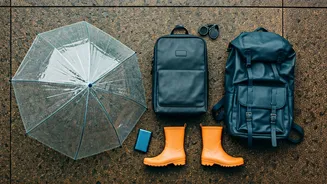
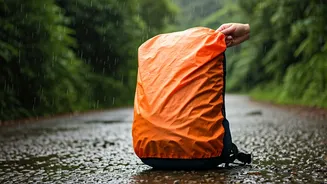
The right accessories provide the finishing touch to your monsoon-proof outfit. Invest in a sturdy, wind-resistant umbrella that won’t fail you during a downpour. A waterproof bag is another essential to protect your phone, wallet, and other valuables. Look for bags made from materials like vinyl, nylon, or laminated fabrics. [5] Darker coloured outfits and vibrant prints are also a strategic choice, as they are more forgiving when it comes to hiding mud splashes or water stains. [7] Finally, don't forget about clothing care; damp clothes should be washed promptly to prevent mildew, and using moisture absorbers like silica packets in your wardrobe can keep everything fresh. [9, 25]