



The Challenge of Dining in Zero Gravity
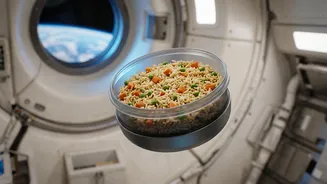
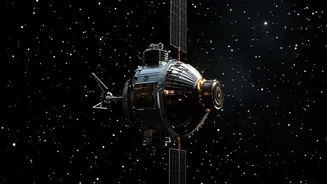
You can’t just pack a tiffin for a trip to space. The microgravity environment presents a host of problems for food consumption. Crumbs don't fall to the floor; they float, posing a serious risk to sensitive electronic equipment. Liquids don't stay in a cup,
they form globules and drift away. Beyond the physics, there are issues of preservation and nutrition. Without refrigeration, food must remain stable and safe to eat for the entire duration of a mission. Astronauts also need calorie-dense, highly nutritious meals to counteract the physiological stresses of space travel, all while being easy to prepare and consume in a confined spacecraft.
A Culinary Mission for National Pride
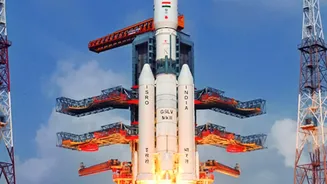
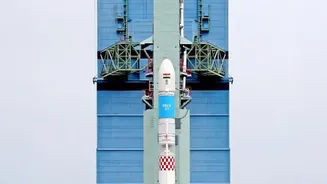
For its landmark Gaganyaan mission, the Indian Space Research Organisation (ISRO) has partnered with the Mysuru-based Defence Food Research Laboratory (DFRL) to tackle this challenge. The goal is not just to provide sustenance, but to offer Indian astronauts the psychological comfort of familiar food. The menu being developed reads like a list of national favorites, including chicken biryani, vegetable pulao, moong dal khichdi, idli sambar, and even moong dal halwa. This effort ensures that while the astronauts are far from home, the tastes and aromas of their culture are within reach, serving as a crucial morale booster.
The Technology Behind the Taste
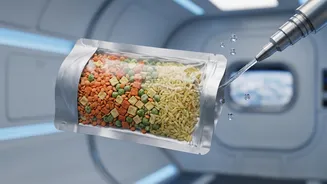
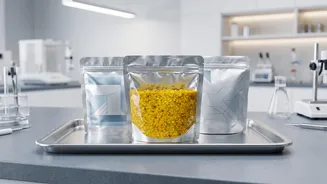
The key technology making this possible is called retort processing. Think of it as a highly advanced form of pressure cooking. The food is first prepared and sealed in multi-layered, heat-resistant pouches. These pouches are then placed inside a retort machine, which uses high-temperature steam under pressure to sterilize the contents completely. This process kills all harmful microorganisms, ensuring the food can be stored for months, or even years, at room temperature without any preservatives or refrigeration. The result is a ready-to-eat meal that retains much of its original flavour, texture, and nutritional value. For rehydratable items, astronauts simply inject water into the pouch. ISRO is also providing food warmers to enhance the dining experience.
Crafting the Perfect Space Meal
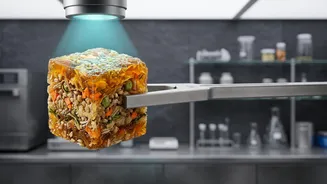
Adapting Indian cuisine for space involves more than just packaging. Spices have to be carefully managed, as astronauts' sense of taste can be altered in microgravity, often making them crave stronger flavours. However, the food cannot be too brittle or crumbly. DFRL uses special binders to ensure food, like parathas, stays intact when a packet is opened. Even liquids require special consideration, with specially designed containers for drinking water and juices. To fine-tune these meals, ISRO has also brought on nutritionists to create personalised diet plans for the Gaganyatris, monitoring everything from metabolic rates to microbiome assessments to ensure peak performance during training and the mission itself.
More Than Just Sustenance
The effort to get dishes like gajar ka halwa and aamras certified for space travel highlights the deep connection between food and well-being. For astronauts undertaking stressful and lengthy missions, a familiar meal is a powerful link to home and an essential part of maintaining mental health. As Indian astronaut Shubhanshu Shukla recalled from his 2025 mission to the ISS, the craving for familiar spicy and salty food can become intense after just a couple of weeks in orbit. The work being done by ISRO and DFRL is therefore not just an exercise in food technology; it's a vital component of human-centric space exploration. It ensures that as India reaches for the stars, it brings the heart and soul of its culinary heritage along for the journey.