








The New Digital Gatekeepers: ETA and ETIAS
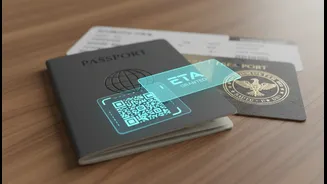
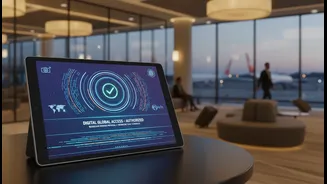
The biggest change for many travellers is the rise of mandatory Electronic Travel Authorisations (ETAs). These are not visas, but a required digital pre-clearance. The United Kingdom, for instance, now requires an ETA for many nationalities that were
previously visa-exempt, such as US citizens, with the scheme expanding through 2026. While Indian citizens still need to apply for a standard UK visa and cannot use the ETA system, this trend is important to watch. The European Union is also set to launch its own version, the European Travel Information and Authorisation System (ETIAS), in the last quarter of 2026. This will apply to visitors from currently visa-exempt countries. For Indian travellers who often hold multiple passports or have residency in other countries, it's crucial to check which passport's rules apply to you. These systems require you to apply online and pay a fee well before your trip, and airlines will deny boarding without a valid authorisation linked to your passport.
The Digital Arrival Card Is Here to Stay
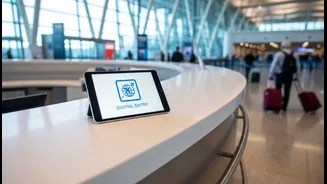
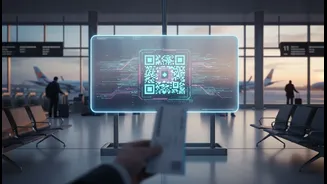
The small paper forms you used to fill out on the plane are rapidly being replaced by mandatory digital versions. A growing list of countries now require travellers to submit arrival cards online before they land. Popular destinations for Indian tourists like Thailand, Singapore, Malaysia, and New Zealand have all implemented digital arrival card systems. Typically, you must complete these forms within 72 hours of your arrival, entering details about your trip, accommodation, and customs declarations. After submitting, you often receive a QR code that you'll need to present to immigration officers. Forgetting this step can lead to significant delays at the airport. Countries like South Korea, Japan, and Indonesia are also moving to similar digital systems, making it a new standard part of the arrival process worldwide.
Your Face Is Your New Passport
Get ready for your close-up. Biometric data collection—specifically facial recognition and fingerprint scanning—is becoming standard at airports globally. The European Union has already rolled out its Entry/Exit System (EES), which replaces passport stamps with a digital record of entry and exit for non-EU travellers, including capturing biometric data on the first entry. Similarly, the United States is expanding its use of facial comparison technology for all non-U.S. travellers at entry and exit points. For Indian travellers applying for visas to the US or Schengen countries, providing biometric data (usually ten fingerprints and a digital photo) has been a standard part of the application for years. The new development is how this data is being used at automated gates and checkpoints to verify identity without manual checks, aiming to make borders more secure and processing more efficient.
Country-Specific Apps and Declarations
The legacy of the pandemic-era travel app lives on. While many COVID-19 health requirements have been dropped, some countries have retained or repurposed the digital platforms. Canada's ArriveCAN app, for example, is no longer mandatory for COVID-19 purposes but is now offered as a voluntary tool to submit customs and immigration declarations in advance at major airports to save time. Other countries have introduced unique digital requirements. Vietnam, for instance, requires a digital immigration form for arrivals into Ho Chi Minh City. The key takeaway is that one-size-fits-all rules no longer apply. Each destination may have its own specific app or online portal that you need to engage with before you travel, covering everything from customs to health or immigration information.
The Old Rules Are Still In Effect
Amidst all these new digital hurdles, it's easy to forget the classic travel requirements that are now being enforced more strictly. Immigration officials in countries like Thailand are increasingly asking for proof of onward travel, confirmed hotel bookings, and sufficient funds for your stay. Your passport itself is also under scrutiny; most countries require it to be valid for at least six months beyond your planned departure date and have a minimum of two to three blank pages. With digital systems cross-referencing information instantly, having a valid visa but a passport that's about to expire can still get you turned away at the check-in counter. Double-checking these fundamental rules is more important than ever.