
The Old Rule: A Home Full of Logos
Not long ago, creating a beautiful interior often felt like a branding exercise. The goal was to acquire pieces from well-known, high-end furniture and decor companies. A specific brand of candle on the coffee table, a famous designer's chair in the corner,
or a recognisable pattern on the cushions all acted as shortcuts to signal good taste. This brand-focused approach promised a cohesive and approved look, turning our homes into showrooms that spoke a language of status rather than personality. The brand did the talking, assuring guests that everything was chosen correctly. While this approach can create a polished space, it often leaves little room for the owner's true character to shine through, resulting in environments that feel more like a catalogue than a lived-in home.
The New Philosophy: Placement as Personality
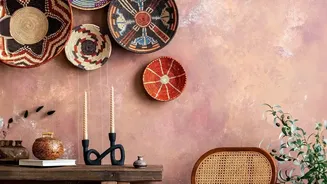
The defining home trend of 2026 is a quiet rebellion against this brand-centric mindset. It champions the idea that the way you arrange your belongings is far more impactful than their pedigree. This is about curation and intentionality. It’s the art of creating visual stories, or vignettes, throughout your home. A simple, unbranded vase can become a stunning focal point when placed on a stack of art books under a window where it catches the morning light. A collection of mismatched, sentimental objects on a bookshelf tells a richer story than a row of expensive, coordinated accessories. According to designers, this approach is about seeing your home as a gallery of your life, where each object’s position is chosen to enhance its meaning and its relationship to the space around it.
Why This Shift is Happening Now
Several cultural currents are driving this change. There's a growing desire for authenticity and a rejection of the hyper-consumerism that dominated previous years. The post-pandemic era heightened our need for homes that feel like personal sanctuaries, tailored to our comfort and memories. This has fueled a trend toward personalization in home design, where unique, curated pieces are favored. The rise of 'de-influencing' on social media has also made many wary of trend-driven purchases, encouraging a more considered approach. Instead of buying something because it's popular, people are asking how an item contributes to the overall feeling of their space. This movement values longevity and layering, welcoming collected heirlooms and objects with personal meaning into our interiors.
How to Master the Art of Placement
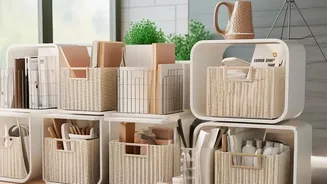
Thinking like a curator doesn't require a design degree, just a willingness to experiment. Start by focusing on composition. Group objects in odd numbers—threes and fives are particularly pleasing to the eye. Play with scale by pairing a tall lamp with a short, wide bowl. Don't be afraid of negative space; leaving an area of a shelf or table empty can make the objects you do display feel more important. Consider how light interacts with your arrangements at different times of day. A piece of coloured glass might come alive in the afternoon sun, while a textured ceramic may look best in the soft light of a table lamp. The goal is to create balance and visual interest, turning everyday surfaces into thoughtful compositions.
Easy Places to Start
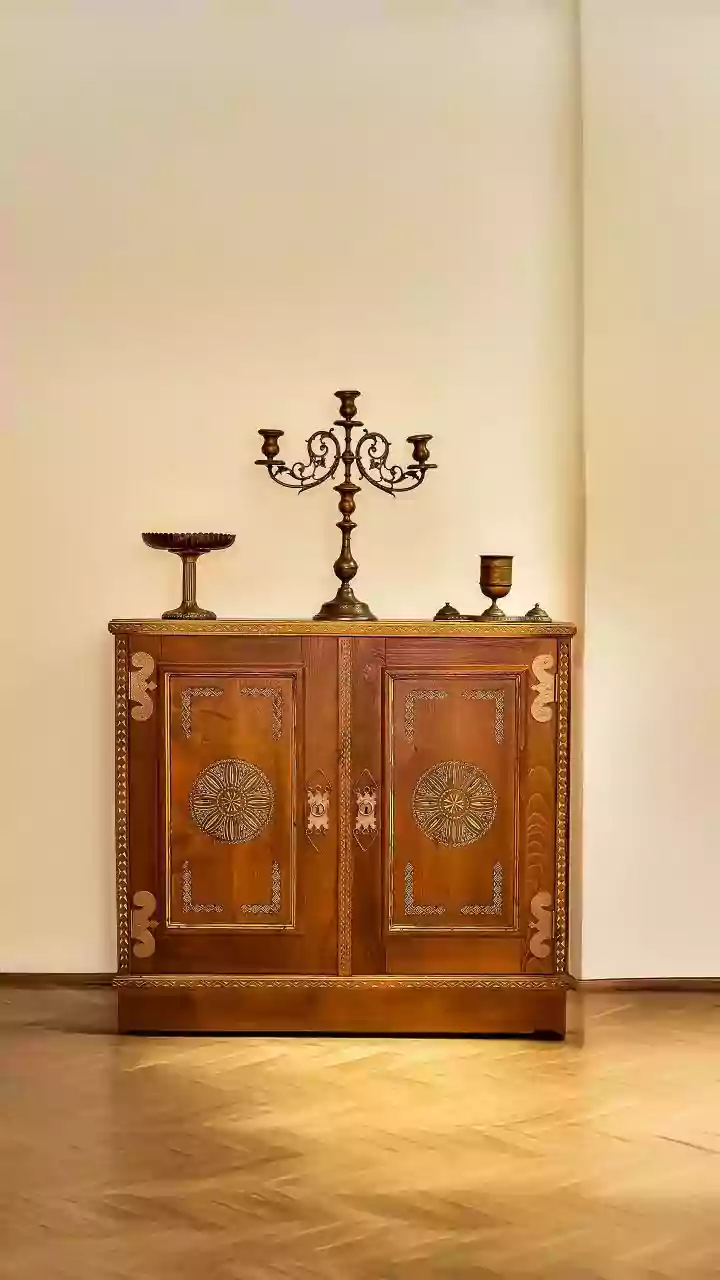
The best way to embrace this trend is to start small. Begin with your entryway console. Instead of a generic bowl for keys, try arranging a small, framed photo, a favourite scented candle, and a tiny plant. Next, tackle your bookshelves. Mix books with meaningful objects, laying some books flat to create platforms for smaller items. Break up the monotony and create rhythm. Even a bedside table can be a canvas for curation. Clear away the clutter and choose just three items that bring you joy or calm: a beautiful book, a small dish for jewellery, and a simple water carafe. By focusing on these small zones, you’ll build confidence and start seeing your entire home as a collection of opportunities for personal expression.