






When the temperature drops, reaching for a cold glass of water is often the last thing on our minds. Yet, hydration is just as crucial in winter. Here’s why turning to warm, comforting herbal teas and soups can be a game-changer.
The Sneaky Dehydration of Winter
It seems counterintuitive,
but dehydration is a significant risk during colder months. Our thirst response can decrease by up to 40% in the cold, meaning we don't feel the urge to drink even when our body needs fluids. Compounding the issue is the dry air from indoor heating systems, which causes us to lose moisture through our skin and breath. Even wearing heavy layers can cause us to sweat more than we realize, leading to further fluid loss. This combination of factors creates a perfect storm for dehydration, which can lead to fatigue, headaches, and dry, chapped skin.
The Comfort and Science of Warmth
Drinking warm liquids offers more than just a cozy feeling; it provides distinct physiological benefits. When you consume a warm beverage, your body doesn't have to expend as much energy to maintain its core temperature, which can be particularly helpful when exposed to cold conditions. The steam from a hot drink can also help relieve congestion associated with seasonal colds and flu. For many, a warm drink is simply more appealing than a cold one in winter, making it an easier habit to maintain. This increased appeal encourages more consistent fluid intake, helping you meet your daily hydration goals effortlessly.
More Than Just Water: The Power of Herbal Tea
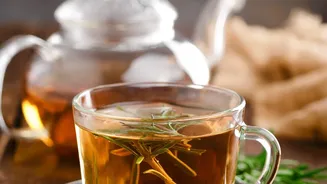
Most herbal teas are excellent for hydration. Because they are typically caffeine-free, they hydrate just as effectively as plain water. Varieties like chamomile, peppermint, and fruit-based infusions are great choices you can enjoy throughout the day. Beyond hydration, these teas often contain antioxidants and compounds that can offer other wellness benefits, such as aiding digestion or promoting relaxation. However, it's worth noting that a few specific herbs, such as dandelion, nettle, and horsetail, are known for their diuretic properties, meaning they encourage urination. While fine in moderation, they are not the best choice if your primary goal is to maximize hydration.
Soup: Your Hydrating, Nourishing Meal
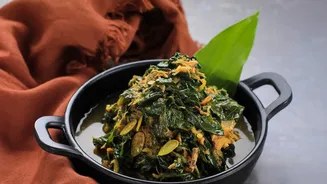
Soup is a powerhouse of hydration and nutrition, making it far more than just a meal. Broth-based soups are especially effective because they are high in fluids and packed with electrolytes like sodium and potassium. These minerals are crucial for helping your body regulate its fluid balance, something that plain water alone cannot do. A warm bowl of soup not only helps rehydrate but also provides energy through carbohydrates and supports the immune system with vitamins from vegetables. Whether it's a simple chicken noodle or a hearty lentil soup, choosing broth-based options over creamy ones provides maximum hydration and nutrients with fewer calories.