



The Enduring Reign of the Chai-Time Biscuit
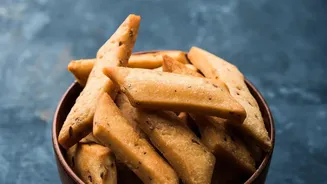
In India, biscuits are more than just a snack; they are a cultural institution. From the glucose biscuit dipped in morning chai to the cream-filled indulgence for a midday treat, they are woven into the fabric of daily life. Their affordability, convenience,
and comforting familiarity have made them a staple in households across all economic strata. The Indian biscuit market is enormous, valued at over USD 5 billion in 2025 and projected to continue its growth. Brands like Parle and Britannia are household names, their products marking moments from childhood to adulthood. This deep-rooted presence makes any challenge to their dominance a significant cultural shift.
A Growing Appetite for Health
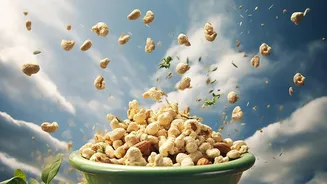
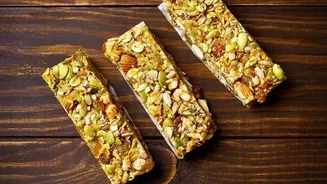
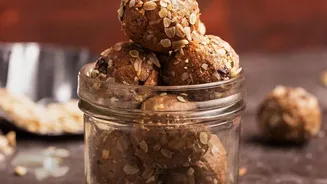
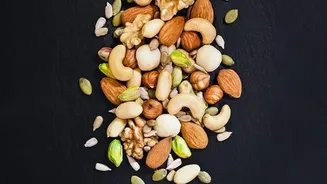
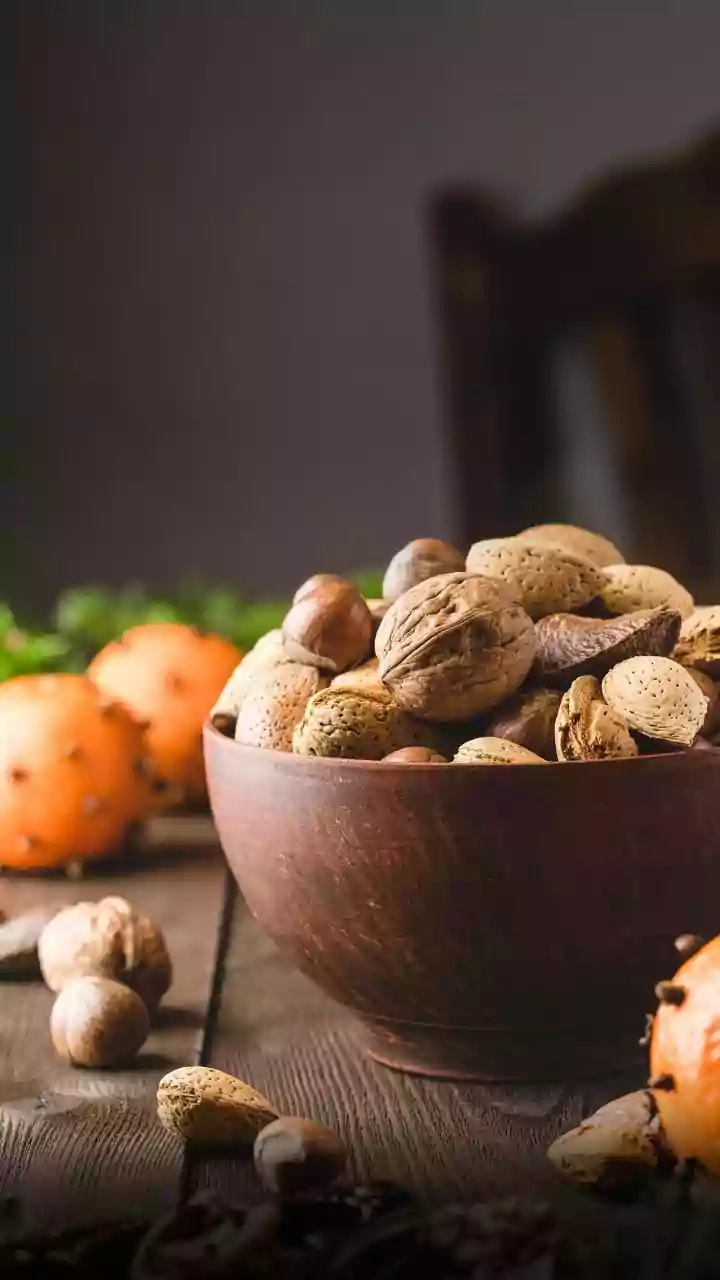
The primary driver behind the rise of nuts and seeds is a powerful wave of health consciousness sweeping across India. Urban consumers, in particular, are increasingly aware of the health risks associated with processed foods high in refined flour, sugar, and unhealthy fats—common ingredients in many popular biscuits. This has led to a deliberate search for nutritious alternatives. A 2025 consumer study revealed that health is a primary factor in snacking decisions for 72% of respondents, who actively seek functional benefits like sustained energy and higher protein. Nuts and seeds perfectly fit this demand, offering a rich source of healthy fats, protein, and fibre.
Market Forces and Modern Lifestyles
This consumer shift is being met with a surge of innovation from the food industry. The Indian healthy snacks market is expanding at a faster rate than the global average, with the packaged nuts and seeds segment projected to grow at a compound annual growth rate (CAGR) of over 10% from 2026. Brands are moving nuts and seeds beyond bulk bins into convenient, single-serve packs perfect for busy, urban lifestyles. The rapid expansion of quick-commerce platforms has made these healthy options more accessible than ever, delivering them to doorsteps in minutes. Furthermore, companies are making these traditional foods more appealing to modern palates with new flavours and roasted varieties, transforming them into tempting, on-the-go products.
It's Not a Replacement, It's an Expansion
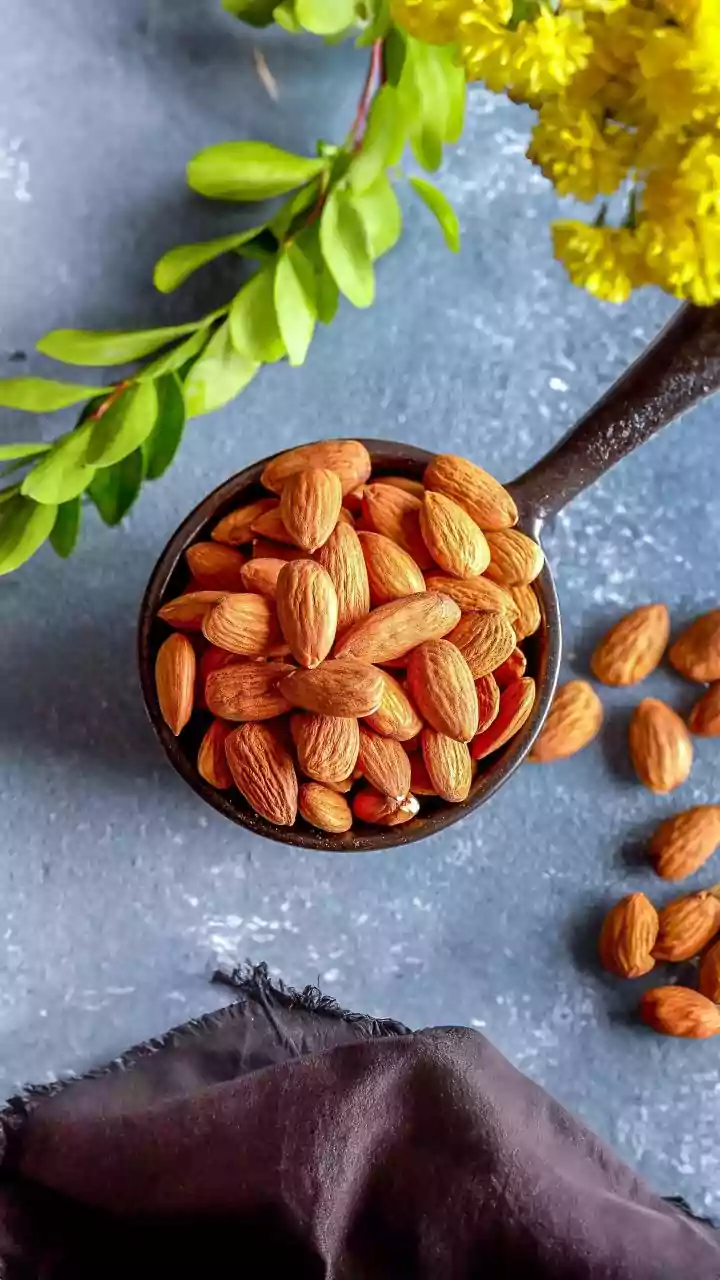
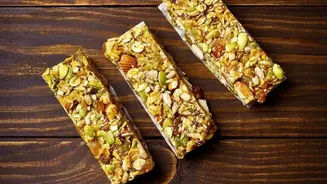
While the growth of nuts and seeds is impressive, it's not necessarily spelling the end for biscuits. Rather than a direct replacement, what we are witnessing is an expansion of the Indian snacking portfolio. Consumers aren't throwing out their biscuit tins entirely; they are adding new options to them. Biscuits remain the go-to for moments of comfort and affordability, while nuts and seeds are chosen for a specific need: a healthy, functional snack. Even the biscuit industry is responding, with a growing market for 'healthy biscuits' that feature whole grains, millets, and reduced sugar, which is itself projected to grow significantly. This indicates that consumers want choices for different occasions—sometimes a digestive biscuit, other times a handful of almonds.
The Urban and Economic Divide
It is crucial to acknowledge that this trend is not uniform across the country. The shift towards premium, healthy snacks like nuts and seeds is most prominent among urban, middle-class, and affluent consumers with higher disposable incomes and greater exposure to global wellness trends. A 2025 study noted that two in five consumers were willing to pay a 20% premium for healthier snack options. For a large portion of the population, the affordability of traditional biscuits remains the deciding factor. Therefore, while nuts and seeds are making significant inroads, biscuits continue their reign in a large segment of the market where price sensitivity is high.