





It’s a familiar story: you buy a bag of potatoes or onions, only to find them soft, sprouted, or moldy just a week later. This common kitchen frustration leads to food waste and hits your wallet. But what if the solution wasn't a new gadget, but a simple,
age-old trick?
The Science of Spoilage
To understand the solution, you first have to understand the problem. Most root vegetables, like potatoes and onions, 'breathe' long after they’re harvested. They release moisture and, in some cases, ethylene gas. When you store them in the plastic bags they often come in from the grocery store, you’re creating a sealed, humid environment. This trapped moisture is the perfect breeding ground for mold, fungus, and the bacteria that cause rot. At the same time, trapped ethylene gas acts as a natural ripening hormone, signaling vegetables like potatoes to start sprouting long before their time. The result is a bag of mushy, unusable produce.
Why Breathable Bags Are the Answer
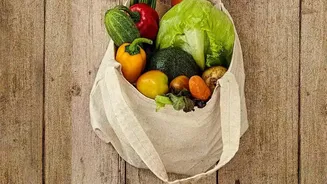
This is where a simple cotton or mesh bag changes everything. Unlike plastic, breathable fabrics like cotton, muslin, or jute allow for constant air circulation. This airflow wicks away the moisture that the vegetables naturally release, keeping their skins dry and firm. It also allows ethylene gas to escape, dramatically slowing down the sprouting and ripening process. This isn’t a new technology but a time-tested method. In many Indian kitchens, where warm climates can accelerate spoilage, storing produce in breathable cloth or jute sacks has long been a standard, zero-energy way to preserve the harvest. The technique helps maintain a stable, dry environment, which is the key to longevity.
Putting the Method into Practice
Making this work in your own kitchen is incredibly simple. The first step is to remove your root vegetables from their plastic packaging as soon as you get home. Before storing, make sure the vegetables are completely dry; never wash produce like potatoes or onions before you’re ready to use them, as any added moisture invites rot. Place them inside a cotton, muslin, or mesh produce bag. Don’t overcrowd the bag, as the vegetables need space for air to circulate around them. Then, store the bag in a cool, dark, and dry place, like a pantry or a cool cupboard away from the stove. Light can cause potatoes to turn green and develop a bitter compound called solanine, so keeping them dark is crucial.
The Right Bag for the Right Vegetable
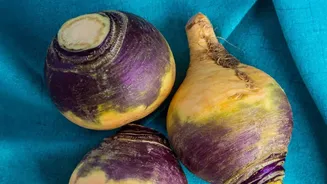
This technique works wonders for potatoes, onions, and garlic—the foundational root vegetables in many pantries. It’s also effective for sweet potatoes, turnips, and beets. However, there is one golden rule you must never break: do not store potatoes and onions together. Onions release high levels of ethylene gas that specifically trigger potatoes to sprout much faster. Potatoes, in turn, release moisture that can cause onions to soften and spoil. They are terrible roommates. Give each their own bag and their own corner of the pantry to ensure both last as long as possible. For other root vegetables like carrots, it’s best to remove their leafy green tops before storing, as the greens will continue to pull moisture from the root, causing it to go limp.