



What Exactly Are We Talking About?
The term 'ultra-processed food' or UPF can be confusing. After all, isn't most food processed in some way? The key is the NOVA classification, a system that groups foods by their level of industrial processing. Unprocessed or minimally processed foods (Group
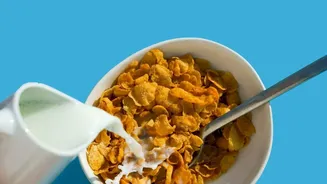
1) are things like fresh fruits, vegetables, dal, and rice. Processed foods (Group 3) have a few ingredients added, like salt or oil to canned vegetables. Ultra-processed foods (Group 4) are a different beast. They are industrial formulations, often with long lists of ingredients you wouldn't find in a home kitchen, such as emulsifiers, artificial colours, flavour enhancers, and preservatives. Think packaged chips, sugary cereals, instant noodles, and frozen pizzas. These products are engineered to be hyper-palatable, cheap, and have a long shelf life.
The Latest Scientific Stir
The reason UPFs are in the spotlight again is due to a wave of new and large-scale research. A massive review of studies involving nearly 10 million people, published in The BMJ, found consistent evidence linking high UPF consumption to 32 adverse health outcomes. This includes a roughly 50% increased risk of death from cardiovascular disease, a 48-53% higher risk of anxiety and common mental disorders, and a 12% greater risk of type 2 diabetes. Another recent study presented at the American Society of Nutrition's 2026 conference found that a staggering 81% of foods marketed to toddlers were ultra-processed. This is raising critical questions not just about the final product, but about how early-life exposure to these foods shapes long-term health and taste preferences.
More Than Just 'Junk Food'
For years, the concern around these foods was primarily about high levels of sugar, salt, and fat leading to weight gain. While that remains true, the latest research suggests the problem is more complex. The industrial processing itself, and the cocktail of additives used, may play a role. These formulations can disrupt the body’s natural appetite signals, making you eat more. They can also displace nutrient-dense whole foods from the diet, leading to deficiencies. Furthermore, studies point towards a link between UPFs and systemic inflammation and negative changes to our gut microbiome, which are underlying factors in many chronic diseases. The concern is no longer just about calories, but about what these industrial formulations are fundamentally doing to our bodies.
The UPF Rise in India
This is not a distant problem; it’s a reality in India. The market for UPFs in the country has seen explosive growth, with retail sales growing at over 13% annually between 2011 and 2021. Factors like rapid urbanisation, busy lifestyles, rising incomes, and aggressive marketing have made packaged foods a staple in many homes. Sweet biscuits, salty snacks like namkeen, instant noodles, and sugary drinks are among the most consumed categories. A study of South Asian diets found that in North India, about 75% of people had consumed a UPF item in the previous 24 hours. This dietary shift from traditional, home-cooked meals to convenient, packaged alternatives is a primary driver behind India's growing crisis of diabetes, obesity, and heart disease.
Navigating the Modern Food Aisle
Understanding this can feel overwhelming, but the goal isn't to eliminate every packaged food item. It’s about awareness and making informed choices. A simple first step is to start reading ingredient lists. If it’s long and full of chemical-sounding names, it's likely a UPF. Prioritise whole or minimally processed foods as the foundation of your diet. Think about smart swaps: instead of a packaged fruit juice, eat a whole fruit; instead of instant noodles, try a quick home-made poha or upma; instead of sugary biscuits, reach for a handful of roasted chana or nuts. The idea is not about perfection but about progress, gradually shifting the balance on your plate away from industrial formulations and back towards real food.