







Pack Smart, Not Just More
The key to a comfortable monsoon trip is in the fabric you choose. Ditch heavy cottons and denim, which absorb moisture and take ages to dry in high humidity. Instead, opt for lightweight, quick-drying synthetic clothes like polyester or nylon blends.
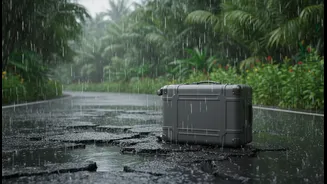
These materials are breathable and will be ready to wear again soon after a wash or a sudden downpour. Your packing list should include a reliable waterproof jacket or poncho, an umbrella, and waterproof footwear with a good grip to navigate slippery surfaces. Rubber sandals or quick-dry sneakers are better choices than shoes that trap water. It's also wise to carry a waterproof cover for your backpack and use dry bags or zip-lock pouches for electronics, documents, and other valuables.
Rethink Your Road Trip Strategy
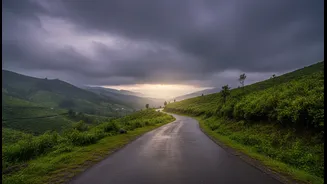
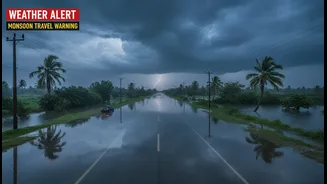
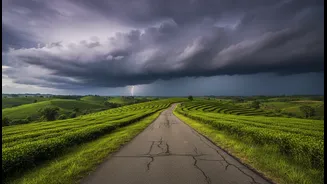
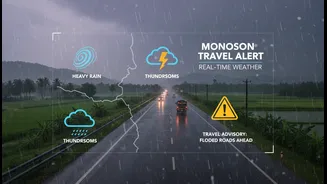
Monsoon road trips offer stunning views of green landscapes and gushing waterfalls, but they demand extra caution. Wet roads are slippery, increasing braking distances, so it's crucial to reduce your speed and maintain a safe distance from other vehicles. Poor visibility from heavy rain and fog is a major hazard. Always use your low-beam headlights to ensure you are visible to others without blinding oncoming traffic. Before you start, check that your car’s wipers, brakes, and tyres are in excellent condition. It's best to avoid driving through waterlogged areas, as the depth can be deceptive. If you encounter extremely heavy rain or fog, it is safer to pull over and wait for conditions to improve.
Choose Your Destination Wisely
While the monsoon enhances the beauty of many places, some destinations become risky. Hilly areas in the Himalayas, like parts of Himachal Pradesh and Uttarakhand, are often prone to landslides and road blockages during heavy rains. Similarly, coastal areas can be unsafe due to strong currents, and many beach shacks and resorts close for the season. Instead, consider destinations known for their monsoon charm, such as the lush countryside and hill stations in the south or parts of Rajasthan that receive less rainfall. Always check the local weather forecast and advisories from the India Meteorological Department (IMD) for your specific destination before you leave home.
Prioritise Health and Hygiene
The rainy season can bring an increased risk of water-borne and mosquito-borne illnesses. To stay healthy, prioritise hygiene throughout your trip. Drink only bottled, boiled, or purified water and avoid street food, especially items that have been left uncovered or are uncooked. Contamination risks are higher during this season. Carry a basic first-aid kit with medications for common ailments like fever, stomach upset, and allergies, along with an insect repellent. Washing your hands frequently with soap and water is a simple but effective way to prevent infections. Also, avoid walking through stagnant water, which can be a breeding ground for bacteria and mosquitoes.
Build a Flexible Itinerary
The weather during the monsoon is unpredictable, and travel plans can be disrupted by delayed flights, trains, or road closures. The smartest approach is to build a flexible itinerary with buffer time between connections and activities. Don't over-pack your schedule. Have a mix of indoor and outdoor plans so you can adapt if the weather turns. If heavy rain ruins your plan for a trek, you could visit a local museum, art gallery, or enjoy a cozy cafe. Booking accommodation with flexible cancellation policies can also save you from headaches if your plans need to change at the last minute.