

The Nutritional Upgrade Your Breakfast Needs
The primary driver behind the switch to millets is health. For decades, Indian breakfasts have been dominated by polished white rice. While delicious, it offers a high glycemic load that can cause blood sugar spikes. Millets, on the other hand, are nutritional
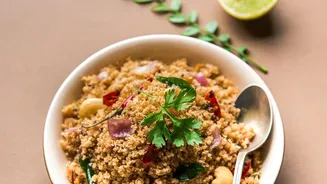
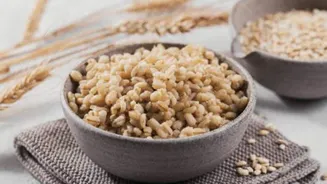
powerhouses. They are packed with dietary fibre, which aids digestion, promotes a feeling of fullness, and helps in weight management. Many varieties like ragi (finger millet) are rich in calcium, while others like bajra (pearl millet) are excellent sources of iron, helping combat common deficiencies. Unlike rice, millets boast a more complex carbohydrate profile and a higher protein content, providing sustained energy that's crucial for both adults navigating a demanding workday and children needing focus at school. Being naturally gluten-free, they are also a welcome alternative for families dealing with gluten sensitivity.
A Modern Twist on a Timeless Tradition
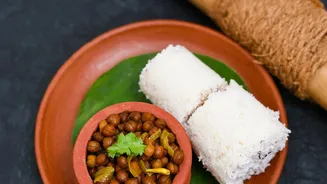
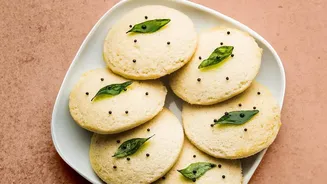
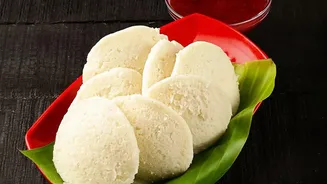
Idlis and appams are more than just food; they are a comforting ritual in millions of homes. The move towards millets isn't about abandoning this tradition, but enhancing it. Young families are discovering that they can honour their culinary heritage while making it more suitable for a modern, health-conscious lifestyle. Using millet flour or soaked whole millets to create the batter is a simple swap that doesn't drastically alter the beloved taste or texture. In fact, many find that millet idlis are softer and fluffier, and appams have a delightful, subtly nutty flavour. This seamless integration is key to their growing acceptance. It allows parents to introduce nutrient-dense grains to their children's diets without the fuss that often accompanies unfamiliar foods. Packaged millet idli and dosa mixes are also becoming widely available, catering to the time-crunched reality of urban life.
An Eco-Conscious Choice for the Planet
Beyond personal health, there's a growing awareness among urban millennials about the environmental impact of their food choices. This is where millets truly shine as a sustainable superfood. These ancient grains are hardy, climate-resilient crops that require significantly less water than rice and wheat. They can thrive in arid conditions and poor soil with minimal need for chemical fertilizers or pesticides. For environmentally-conscious families, choosing millets is a tangible way to reduce their carbon footprint and support agricultural biodiversity. This decision aligns with a broader value system that prioritizes sustainability and supports small-scale farmers who have cultivated these grains for centuries.
From 'Forgotten Grain' to Superfood Star
Not long ago, millets were often dismissed as “poor man’s food,” having been pushed to the background by the Green Revolution's focus on wheat and rice. However, a combination of government initiatives, like the UN's International Year of Millets, and powerful social media campaigns by nutritionists and food influencers has led to a remarkable comeback. Once a rural staple, millets are now being rebranded as a premium wellness product in city supermarkets and cafes. This shift in perception has been crucial. When young urbanites see millets celebrated as a superfood, it removes any old stigmas and reframes them as a smart, aspirational choice for a healthier future for their families.