






The Real Cost: Beyond the Price Tag
The true value of a food item isn't just its price per kilogram, but what it delivers to your plate. Many shoppers make decisions based on the initial cost, only to find they've bought something that doesn't go far, spoils quickly, or can only be used
in one specific dish. This often leads to wasted food and, consequently, wasted money. In fact, estimates suggest that a significant percentage of the food supply is wasted. A more effective approach is to evaluate potential purchases through three key lenses: how much of it is actually edible (yield), how long it will last (life), and how many different meals it can contribute to (flexibility). By shifting your mindset, you can build a more efficient, economical, and sustainable kitchen.
Understanding 'Yield': Getting What You Paid For
In cooking, 'yield' refers to the usable amount of an ingredient after it has been prepped — think peeling, trimming, or removing bones. When you buy 1 kg of potatoes, you don't get 1 kg of usable potato after peeling. Similarly, bone-in chicken has a lower meat yield than boneless. To calculate the real cost, you must consider this loss. An item with a higher upfront price but a 100% yield (like boneless chicken breast) can sometimes be cheaper per serving than a lower-priced item with significant waste (like a whole chicken, unless you use the bones for stock). Start noticing the difference between the 'as-purchased' weight and the 'edible portion' weight. This simple act of observation can change your purchasing habits. For example, some leafy greens have thick, inedible stems, reducing their yield, while others can be used almost entirely.
The Power of 'Life': Minimising Spoilage
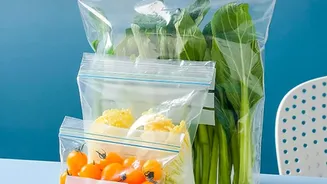
Food that spoils before you can eat it is money thrown away. Prioritising ingredients with a longer shelf life is a foundational principle of smart shopping. This doesn't mean avoiding fresh produce; it means being strategic. Hardy vegetables like potatoes, onions, carrots, and cabbage can last for weeks when stored correctly. In your pantry, staples like rice, lentils (dal), dried beans, and chickpeas are champions of longevity. Ghee, honey, salt, and sugar can last for years under the right conditions. When buying perishables like leafy greens or berries, purchase them in smaller quantities more frequently to ensure you use them before they turn. By taking stock of what you already have before you shop, you can plan meals around items that need to be used soon, further preventing waste.
Embracing 'Flexibility': The Versatile Ingredient
An ingredient that can be used in a single recipe has limited value. One that can feature in breakfast, lunch, and dinner is a kitchen superstar. Meal flexibility is about choosing ingredients that open up possibilities. Eggs, for example, can be scrambled for breakfast, hard-boiled for a salad at lunch, or used to make a curry for dinner. A bag of potatoes can become a side dish, the main component of a sabzi, a filler for parathas, or the base for a soup. Lentils and beans can be transformed into dals, soups, salads, or patties. Having a pantry stocked with these versatile workhorses means you can be more creative and are less likely to be stuck with an ingredient you don't know how to use. When you plan your meals, think about ingredients that can serve multiple roles throughout the week.