






The Fridge as a Flashpoint
Why does this cold box cause so much hot-headed conflict? It's a unique intersection of personal property, shared space, hygiene, and cost. A stolen yogurt isn't just about the snack; it can feel like a breach of trust and respect. An overflowing shelf
isn't just messy; it prevents others from storing the groceries they paid for. Uncleaned spills and rotting food are not only unpleasant but can also be a health hazard. Without a clear understanding, this shared resource becomes a daily source of friction that can sour relationships with roommates or colleagues.
Establish Rules Before Problems Start
The single most effective way to prevent fridge-related drama is to have a conversation and establish ground rules before you even move in or start a new job. This isn't about creating a rigid legal document but fostering a mutual understanding. The goal is to make sure everyone is on the same page about expectations. Discussing topics like food sharing, cleaning, and personal space upfront can preempt nearly every common issue. It’s a five-minute conversation that can save months of frustration.
The Power of a Name and Date
If you implement only one rule, make it this one: label your food. A simple roll of masking tape and a marker can be the most valuable tools in your kitchen. Clearly writing your name on items prevents accidental consumption and makes ownership clear. Adding the date is also a smart move, especially for leftovers. It signals to others how long the item has been there and serves as a personal reminder to use it before it goes bad. This simple habit removes ambiguity, the primary cause of food theft and forgotten, moldy containers.
Define 'Communal' vs. 'Personal' Space
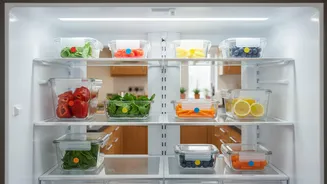
Not everything needs to be strictly divided. Having three half-empty bottles of ketchup is a waste of precious space. Designate a specific area, like the fridge door, as communal space for shared staples like condiments, milk, or butter. Agree on how these items will be purchased, whether it's taking turns or splitting the cost. For personal items, assigning each person a shelf or a specific zone within the fridge is a highly effective strategy. This creates clear physical boundaries that are easy to respect and helps prevent one person from hogging all the space.
Schedule a Weekly Purge
Even with the best intentions, food gets forgotten. To combat the inevitable buildup of old leftovers and wilting vegetables, schedule a regular fridge clean-out. Many households and offices find that Friday afternoon is a great time to do this. The rule is simple: anything that is expired, unlabeled, or clearly past its prime gets tossed. This keeps the fridge from becoming a smelly graveyard of forgotten meals and ensures there's always space for the coming week's groceries. It should be a shared responsibility, with everyone taking a turn or tackling it together.
Clean Spills Immediately
This should go without saying, but it’s a rule that is frequently broken. If you spill something, clean it up right away. A small drip of sauce or a splash of milk is easy to wipe up when it’s fresh, but it becomes a sticky, stubborn mess once it dries. Leaving it for someone else is disrespectful and contributes to an unhygienic environment. Fostering a culture where everyone takes responsibility for their own messes is crucial for long-term harmony.
Addressing Broken Rules
When someone inevitably forgets a rule, avoid leaving passive-aggressive notes. The best approach is direct, calm communication. Your roommate might genuinely not realize they used your milk or forgot to clean a spill. A simple, non-accusatory conversation is often all it takes to resolve the issue. You could say, "Hey, I think you might have accidentally grabbed my lunch today. Could we be more careful about checking labels?" This approach opens a dialogue rather than starting a fight, preserving the respectful environment you’re trying to build.