







The Monsoon Challenge for Pets
The same moisture and humidity that make the monsoon a relief for humans create the perfect environment for a host of pet health issues. From June to September, veterinarians across India see a spike in cases of fungal and bacterial skin infections, gastrointestinal
problems, and parasite infestations. The constant dampness means a pet's coat may not dry properly between walks, trapping moisture against the skin and creating breeding grounds for infections. Stagnant water in puddles can harbor dangerous bacteria like Leptospira, which can cause severe illness and is transmissible to humans. Meanwhile, ticks and fleas thrive in the warm, humid conditions, increasing the risk of diseases like tick fever.
The Post-Walk Paw Care Ritual
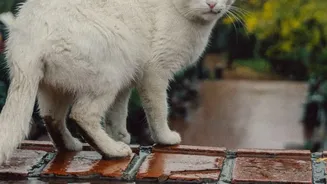
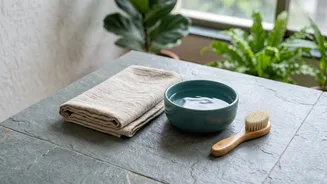
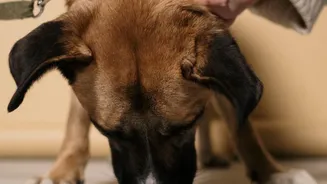
One of the most effective habits a pet owner can adopt is a non-negotiable post-walk routine. Your pet’s paws are their direct point of contact with wet, muddy, and potentially contaminated surfaces. A simple five-minute ritual can prevent a majority of monsoon-related problems. After every walk, thoroughly wash your pet's paws with lukewarm water. Then, using a highly absorbent microfiber towel, dry them completely, paying special attention to the area between the toes and pads where moisture loves to hide. This single habit helps prevent the growth of yeast and fungi, which cause persistent itching and infections. Trimming the fur between the paw pads at the beginning of the season can also reduce the amount of mud and water that gets trapped.
A Proactive Parasite Patrol
Monsoon is peak season for ticks and fleas. These parasites are not just an itchy nuisance; they are carriers for serious illnesses like babesiosis and ehrlichiosis, commonly known as tick fever, which can be life-threatening if not treated promptly. Prevention is the best strategy. Consult your veterinarian to choose a suitable preventative treatment, which may come as a spot-on, oral tablet, or a medicated collar. It's crucial to use only products recommended by a vet, as some generic pesticides can be toxic to pets. In addition to preventative medication, perform daily physical checks. Run your fingers through your pet’s coat, especially in warm, hidden areas like under the ears, in armpits, between toes, and around the tail.
Grooming and Coat Care in High Humidity
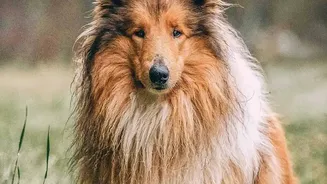
High humidity means a pet’s coat can remain damp long after they've come indoors, leading to a musty smell and skin issues like hot spots (acute moist dermatitis). While it may seem counterintuitive, you should bathe your pet less frequently during the monsoon, as over-bathing can strip their skin of natural oils, making it more vulnerable. Instead, focus on brushing. Daily brushing, especially for long-haired breeds, removes dirt and tangles, improves air circulation to the skin, and helps you spot any parasites or skin issues early. If your pet does get soaked, dry them thoroughly with a towel or a pet-friendly dryer on a low heat setting.
Diet, Hydration, and Home Hygiene
A strong immune system is your pet's best internal defense. Ensure they have a balanced diet and access to fresh, clean drinking water at all times. Avoid letting them drink from puddles. Store dry food in airtight containers to prevent it from absorbing moisture and growing mould, which is more common in humid weather. Inside the home, hygiene is equally important. Wash your pet’s bedding, blankets, and towels frequently in hot water to kill any fungal spores or flea larvae. Keeping their resting area clean and dry helps prevent a wide range of infections.
Indoor Enrichment for Rainy Days
Fewer and shorter walks can lead to boredom and pent-up energy, which can manifest as destructive behavior. It's important to keep your pet mentally and physically stimulated indoors. Engage them with puzzle toys, treat-dispensing games, or short training sessions to work their minds. Simple games like hide-and-seek with their favorite toy can provide much-needed enrichment. For pets anxious about the sound of thunder, create a safe, cozy den in a quiet part of the house with their favorite blankets and toys.