




The Monsoon Gardener’s Dilemma
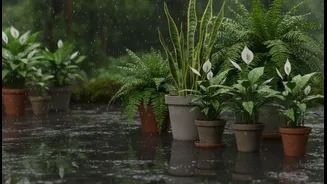
For plant lovers in India, the monsoon is both a blessing and a challenge. While the rain brings relief from the heat, it can be a nightmare for container gardens. Heavy downpours quickly saturate pots, compacting the soil and leaving no room for air.
This suffocates the roots, leading to the dreaded root rot, a condition that can quickly kill even the hardiest plants. Many gardeners find themselves constantly moving pots, checking for blocked drainage holes, and worrying about their plants drowning. This constant vigilance turns a relaxing hobby into a stressful chore.
The Solution: Understanding Coarse Sand
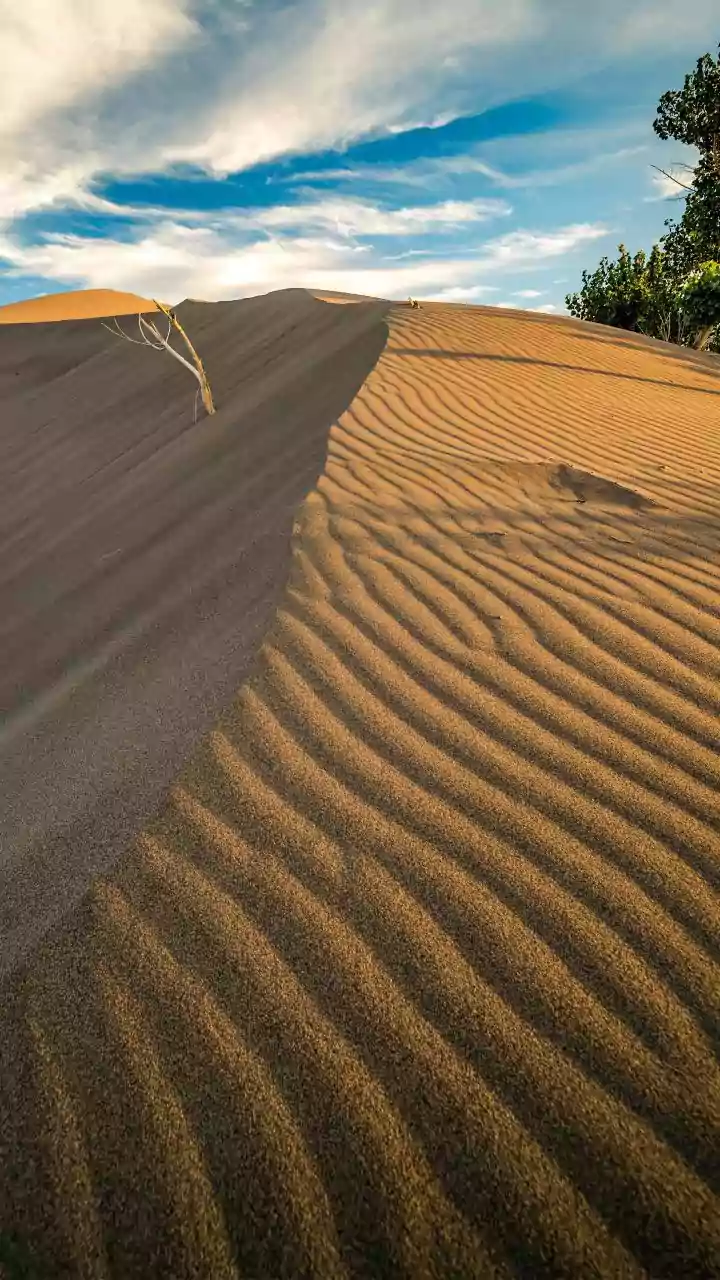
The secret to preventing this common problem lies in an inexpensive and widely available material: coarse sand. Also known as horticultural sand or grit, this is not the fine sand you find on a beach or in a child's sandbox. In fact, using fine sand is a mistake, as its tiny particles can actually clog the pores in your soil, making drainage even worse. Coarse sand, on the other hand, consists of larger, angular particles of crushed rock like granite or quartz. These larger grains are the key to creating a healthier environment for your plant's roots.
The Science of Superior Drainage
So, how does it work? When you mix coarse sand into your potting soil, its large particles create small air pockets throughout the mix. These pockets serve two vital functions. First, they allow excess water to drain freely through the pot, preventing it from becoming waterlogged after a heavy shower. Second, they ensure that air can still circulate around the roots, even when the soil is moist. Roots need oxygen to function properly and absorb nutrients; without it, they begin to decay. By improving both drainage and aeration, coarse sand directly combats the primary causes of root rot.
Your Perfect Potting Mix Recipe
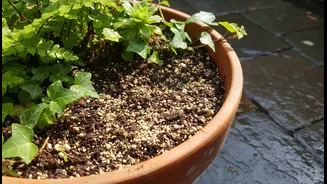
Creating a rainproof potting mix is surprisingly simple. You don't need to replace all your soil; you just need to amend it. A great general-purpose recipe for container plants is to use one part coarse sand, one part compost or cocopeat, and two parts garden soil. For plants that are particularly sensitive to wet conditions, such as succulents, cacti, or Mediterranean herbs like rosemary, you can increase the ratio to a 50/50 mix of sand and soil. When potting, ensure your container has adequate drainage holes at the bottom. While some suggest adding a layer of gravel at the bottom of pots, this is a myth; it can actually impede drainage by creating a water table. A consistent, well-draining mix throughout the pot is far more effective.
Truly Cost-Effective and Accessible
One of the best aspects of this solution is its affordability. Coarse sand, often sold as river sand for gardening or construction purposes, is one of the most budget-friendly soil amendments available. It can be found at most local nurseries, garden supply centres, and even building material suppliers across India. Prices are generally low, especially when purchased in larger quantities, making it an accessible secret weapon for every gardener, from the balcony enthusiast to those with sprawling terraces. Compared to more expensive additives like perlite or vermiculite, which perform a similar function, coarse sand offers a fantastic balance of performance and value.