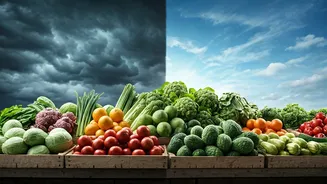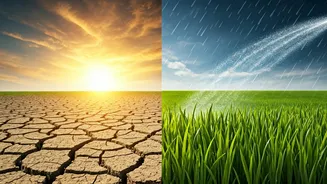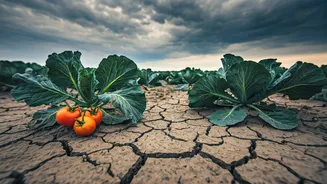




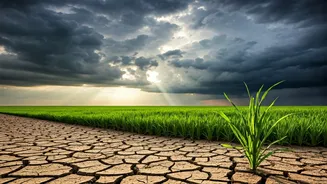
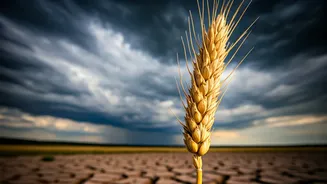
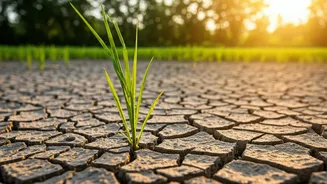


The Obvious Hit: Agriculture's Frontline Losses
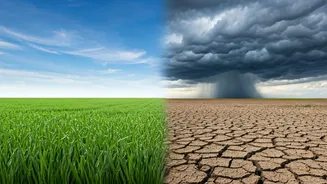
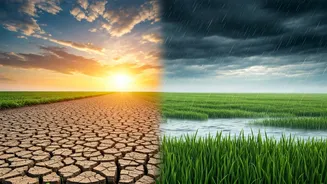
The most immediate and visible impact of a weak or delayed monsoon is on the agricultural sector, which employs over half of India's population. [4] With nearly half the country's farmland still dependent on rain, a poor monsoon can lead to crop failures,
reduced yields, and lower farm incomes. [7, 8] This directly affects the livelihoods of millions. A rainfall deficit can delay the sowing of crucial kharif crops like rice, pulses, and oilseeds, leading to smaller harvests. [8] This not only creates rural distress but also sets the stage for a cascade of economic effects that ripple through the entire country, hitting sectors and households that seem far removed from the farm.
The Grocery Bill Squeeze
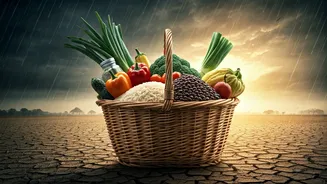
One of the most significant hidden costs of an unpredictable monsoon shows up on your grocery bill. Poor harvests lead to a reduced supply of essential food items, which inevitably drives up prices. [5] Food and beverages carry a substantial weight in India's consumer price index, meaning any climate shock to crops quickly translates into higher inflation felt at the local market. [16] A 10% deficit in rainfall can add as much as one percentage point to headline inflation, primarily driven by food prices. [3] This isn't just about farmers' incomes; it's about the purchasing power of every family. When prices for staples like vegetables, pulses, and grains rise, household budgets are squeezed, leaving less money for other essential spending. [14]
The Strain on Government Coffers
When the monsoon fails, the government's budget feels the pressure. A poor agricultural season often necessitates increased public spending on several fronts. This includes rolling out relief packages for distressed farmers, increasing subsidies for agricultural inputs like fertilizers, and sometimes importing food to stabilize domestic prices and prevent shortages. [2] For instance, a weak monsoon in the past has prompted the government to curb exports of key commodities like rice and sugar to protect domestic supplies. [9] These unplanned expenditures can strain the national budget, potentially diverting funds from other critical areas like infrastructure, education, or healthcare, and creating a wider economic deficit.
Slowing Demand in Towns and Cities
The economic impact doesn't stop at food prices. Weaker rural incomes have a significant knock-on effect on demand for industrial goods and services. [11] Rural India is a massive market for fast-moving consumer goods (FMCG), two-wheelers, and tractors. [10] When farm incomes fall, spending on these items slows down, affecting the sales and growth of major companies. [15, 10] This slowdown in rural consumption can weaken one of the economy's most dependable growth engines, impacting industrial production and even sentiment in the stock market. [6, 10] It highlights how interconnected the urban and rural economies are, with the fortune of one tied directly to the rains that fall on the other.
The Energy and Water Bill You Didn't Expect
Another hidden cost comes from energy and water. India relies on the monsoon to replenish reservoirs that are crucial for both drinking water and hydroelectric power generation. [7, 12] A deficient monsoon means lower water levels, which can lead to reduced electricity production from hydropower plants. [12, 13] This forces a greater reliance on more expensive thermal power, potentially driving up electricity costs for consumers and industries. [7] Furthermore, water scarcity in both urban and rural areas becomes more acute. In cities, this can mean a greater reliance on expensive private water tankers, while rural households may have to spend more time and money to secure water for daily needs. [16, 7]