




What is Generative Visual Tech?
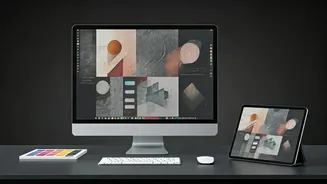
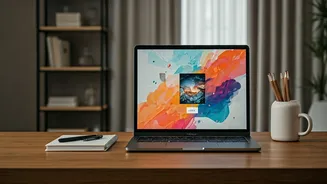
At the heart of this revolution is 'generative visual technology,' a sophisticated form of artificial intelligence. You’ve likely heard of the tools by name: DALL-E, Midjourney, and Stable Diffusion. In simple terms, these are AI models trained on vast
libraries of images and text. A creative professional can type a descriptive text 'prompt'—like “A futuristic electric scooter parked on a bustling Mumbai street during monsoon, photorealistic style”—and the AI generates a unique, high-quality image based on that instruction within seconds. This isn't about searching for existing stock photos; it's about creating entirely new visuals from scratch, guided by human imagination.
The Old Way vs. The New Workflow
Traditionally, creating initial concepts for a client was a laborious process. It involved art directors sourcing inspiration, creating mood boards, commissioning illustrators for rough sketches, or painstakingly compositing images in Photoshop. This could take days or even weeks before a client saw a single concrete idea. The new workflow flips this script. During an initial briefing, a creative team can translate a client's verbal ideas into prompts and generate a dozen different visual directions on the spot. This transforms a theoretical conversation into a practical one, anchored by tangible images. Instead of asking “What if we tried a retro feel?”, the team can now show exactly what that retro feel looks like in the context of the client’s brand, instantly.
More Than Just Speed
The word “instantly” is powerful, but the true benefit extends beyond mere speed. This technology allows for a massive increase in creative exploration. In the time it took to develop one polished concept the old way, a team can now explore fifty different angles. This volume allows for more risk-taking in the early stages. Ideas that might have seemed too abstract or difficult to execute can be visualised and evaluated quickly. This helps in achieving stronger client alignment from the very beginning. When clients can see and react to a wide array of visual prototypes, feedback becomes more specific and productive, reducing the chances of costly misunderstandings and major revisions later in the project.
The Human Element Is Still Crucial
While the technology is impressive, it is not a magic button for creativity. The quality of the output is entirely dependent on the quality of the input. Crafting effective prompts is a new skill in itself, requiring a deep understanding of art, design principles, photography, and language. A great creative director doesn't just type a few words; they orchestrate the AI, refining prompts, layering ideas, and curating the generated outputs to find the gems. The AI is a powerful instrument, but it still needs a skilled musician to play it. It generates options, but the strategic thinking, taste, and storytelling ability of a human professional are what turn a cool image into a compelling brand concept.
Navigating the Challenges and Concerns
This rapid adoption is not without its challenges. One major concern is creative homogeneity; if everyone uses the same tools, will all brand campaigns start to look the same? There are also unresolved ethical and legal questions around copyright, as the AI models were trained on publicly available images, some of which were copyrighted. Furthermore, there's a palpable fear among designers, illustrators, and photographers that this technology could devalue their craft and threaten their livelihoods. Agencies and brands must navigate these issues thoughtfully, ensuring that AI is used as a tool to augment human creativity, not replace it entirely.