



What is Wrist Rolling?
Wrist rolling is a classic strength-building exercise focused on the muscles of the forearms and hands. While the term 'African wrist rolling' often refers to traditional circular wrist motions practiced for flexibility and health, in modern fitness it's
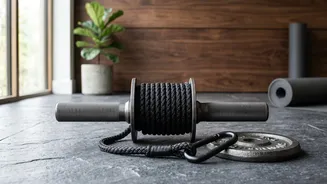
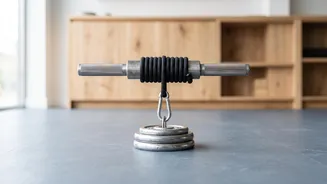
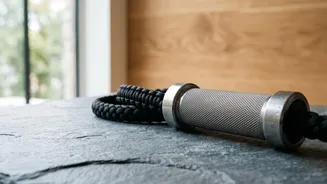
commonly associated with the 'wrist roller' device. This tool is typically a short bar with a rope and weight attached. The user holds the bar with arms extended and rotates their wrists to wind the rope up, lifting the weight, and then unwinds it back down. This movement targets both the flexor muscles on the underside of your forearm and the extensor muscles on the top, delivering a comprehensive workout.
The Core Benefits of This Exercise
The primary benefit of wrist rolling is a significant improvement in grip strength. This is essential for athletes in sports like climbing, tennis, and weightlifting, but it also translates to daily tasks. The exercise creates continuous tension in the muscles, which builds exceptional forearm endurance and muscle density. Regularly performing this movement can also enhance wrist flexibility and stability, which may help reduce the risk of strain injuries and conditions like carpal tunnel syndrome by strengthening the surrounding muscles and tendons.
The Basic Technique (With a Roller)
To perform the exercise with a traditional wrist roller, stand with your feet shoulder-width apart. Hold the roller with both hands using an overhand grip, and extend your arms straight out in front of you at shoulder height. Keeping your arms and body stationary, begin rotating your wrists one at a time to roll the rope up and lift the weight. Focus on using only your wrists and forearms. Once the weight reaches the bar, slowly reverse the motion, controlling the descent. The controlled lowering is just as important as the lift. One full cycle up and down counts as one repetition.
No-Equipment Practice: The Towel Roll
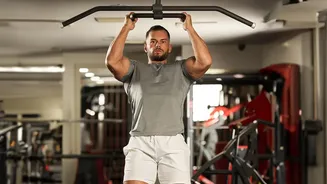
You can effectively replicate this exercise without any special equipment by using a household towel. Stand and hold a rolled-up towel horizontally with both hands, arms extended in front of you, just as you would with a roller. Tightly grip the towel and begin to 'wring it out' by twisting your hands in opposite directions. While doing this, actively try to pull your hands apart, creating tension. Rotate your wrists back and forth, focusing on a powerful squeeze and twist. This creates dynamic resistance that engages the same forearm muscles. Another excellent no-equipment alternative is to drape a towel over a pull-up bar and perform pull-ups or hangs while gripping the ends of the towel, which intensely challenges your grip.
Common Mistakes to Avoid
The most common mistake is using momentum. Avoid swinging your body or using your shoulders and arms to help lift the weight; the work should be isolated in your forearms. Another error is letting the weight drop quickly on the way down. The controlled, slow descent (the eccentric phase) is a critical part of the exercise for building strength. Also, be careful not to start with too much weight. This exercise is humbling, and even a few kilograms can be extremely challenging. Start light to master the form before increasing the load.
Integrating It Into Your Routine
Because it's an intense isolation exercise, you don't need to do it every day. Start by adding wrist rolling to the end of your upper body or arm workouts two to three times per week. Aim for 2–4 sets. Instead of counting reps, you can also aim for time, trying to beat your previous duration for each set. Listen to your body; if you feel any sharp pain in your wrists or elbows, stop and reassess your form or weight. Proper recovery is key for muscle growth, so ensure you have rest days between sessions.