




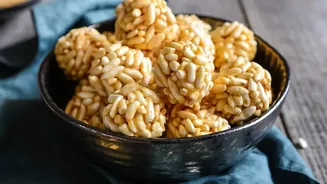
Nothing captures the spirit of Kolkata street food quite like Jhalmuri. That crunchy, spicy, and tangy explosion of flavour is a beloved snack for a reason. But nailing the perfect balance, especially that signature tang, is an art form.
The Soul of the Tang
First, let's be
clear: the tangy element in Jhalmuri is not an afterthought; it is the very soul of the dish. It cuts through the richness of the mustard oil and wakes up all the other spices. While other souring agents like raw mango (when in season) or a hint of tamarind paste can play a role, the fresh, bright acidity of lemon is non-negotiable for that classic taste. The goal isn't just to make it sour, but to add a layer of freshness that makes the entire mixture sing. A good Jhalmuri is a symphony of textures and flavours, and lemon is the conductor that brings them all into harmony. Without it, you simply have a tasty puffed rice mixture, but you miss out on the 'jhal' — the fiery, tangy kick that defines it.
Choosing Your Citrus Wisely
Not all lemons are created equal, and for a truly authentic Bengali experience, the choice of citrus matters immensely. While a standard lemon or lime will provide the necessary acidity, the undisputed champion in Bengali cuisine is the Gandhoraj lebu. Translating to 'king of fragrance lime', this aromatic citrus is prized more for its incredible scent than its juice. It's a bit like a cross between a lime and a kaffir lime, with a powerful, floral aroma that can perfume the entire dish. Using Gandhoraj lebu elevates your Jhalmuri from merely 'tangy' to 'aromatic and complex'. If you can't find it, a regular green lime is your next best bet. Just be sure it's fresh, as the oils in the peel also contribute to the overall flavour profile.
The Critical Matter of Timing
Here's a tip that separates the amateurs from the pros: when you add the lemon juice is just as important as how much you add. Never add your lemon juice at the beginning. If you add it too early, two things go wrong. First, the delicate, fresh aroma of the lemon dissipates, leaving you with only the sourness. Second, and more critically, the puffed rice ('muri') will immediately start to lose its crunch. Jhalmuri should be served and eaten within minutes of being prepared for maximum crispiness. The lemon juice, along with the other wet ingredients like chopped onions and tomatoes, is the primary cause of sogginess. Always add your squeeze of lemon as the absolute final step, right after you've mixed everything else. Toss it quickly one last time and serve immediately.
Finding the Perfect Balance
Lemon is the star of the show, but it needs a supporting cast. A one-note sour Jhalmuri is just as disappointing as a bland one. The acidity needs to be balanced against the other key flavours: the pungency of the raw mustard oil, the heat from the green chillies, the saltiness of the black salt ('kala namak'), and the subtle sweetness from the onions and boiled potatoes. If your tomatoes are particularly tart, you might need slightly less lemon. If you're using tart raw mango, reduce the lemon juice accordingly. The trick is to taste as you go. Start with a small squeeze, mix, and then taste. Does it need more brightness? Add another squeeze. This iterative process ensures you achieve a layered, harmonious tang rather than an aggressive, overpowering sourness.
It's easy to go wrong when working with such a powerful ingredient. The most common mistake is using bottled lemon juice. This is a cardinal sin in the world of Jhalmuri. Bottled juices lack the fresh, volatile aromas of a real lemon and often have a processed, metallic taste that will ruin your snack. Always use a freshly squeezed lemon. Another pitfall is adding too much juice, resulting in a soupy mess at the bottom of your bowl and instantly soggy muri. You're looking for just enough juice to coat the ingredients, not to drown them. Finally, be careful to avoid letting any seeds fall into any mix. Biting into a bitter lemon seed is an unpleasant surprise that can spoil any experience. Squeeze your lemon over your hand or through any small strainer to catch any errant seeds before they make it into your bowl.