




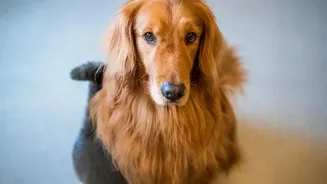

A Cultural Shift in Pet Ownership
For decades, the narrative of India's pet care market was written in its major cities like Delhi, Mumbai, and Bengaluru. However, the landscape is changing dramatically. An increasing number of households in smaller cities and towns are welcoming pets
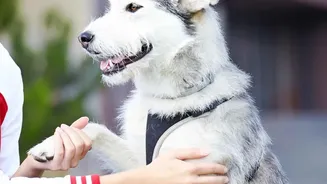
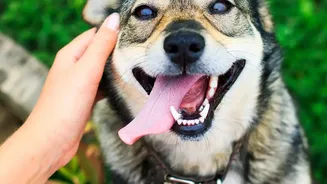
not merely as guards or companions, but as integral members of the family. This trend, often called 'pet humanization', was accelerated during the pandemic as the need for companionship grew, but it has sustained and deepened since. This cultural evolution is driven by rising disposable incomes, the prevalence of nuclear families, and greater exposure to global trends through social media. As a result, the emotional and financial investment in a pet's wellbeing has skyrocketed far beyond the traditional metro-centric consumer base.
From Kitchen Scraps to Premium Kibble
One of the most significant indicators of this economic shift is the transformation in pet nutrition. The practice of feeding pets table scraps is rapidly being replaced by a demand for high-quality, scientifically formulated pet food. Pet parents in cities like Jaipur, Chandigarh, Mysore, and Cuttack are now actively seeking out breed-specific, age-appropriate, and even grain-free dietary options for their furry companions. This surge in demand has been a boon for both international giants like Mars and Nestlé, and a host of homegrown direct-to-consumer (D2C) brands. These new-age companies have effectively leveraged e-commerce to bypass traditional retail barriers, making premium products accessible to a previously underserved market.
The Digital Leash: E-commerce and Social Media
The rise of the pet economy in non-metro India is inseparable from the country's digital revolution. E-commerce platforms and quick-commerce apps have become the primary shopping channels for this new generation of pet owners. Online sales of pet products have grown exponentially, with some brand websites reporting a 300% year-on-year jump in prepaid orders, largely fuelled by expansion into tier-2 and tier-3 cities. Social media platforms like Instagram also play a crucial role, not just for marketing, but for creating communities where new pet parents—over 90% of whom are first-time owners—can seek advice, share experiences, and discover new products.
Beyond the Food Bowl: A Boom in Services
The spending doesn't stop at food. A whole ecosystem of pet services is budding in these emerging markets. What were once niche, metro-exclusive offerings are now gaining momentum in smaller urban centers. This includes professional grooming salons, dog training services, and pet boarding facilities. While access to high-quality veterinary care remains a challenge, there is a clear demand for better healthcare infrastructure. Startups are beginning to address this gap with concepts like telemedicine and chains of standardized clinics, recognizing the immense opportunity in bringing organized pet healthcare to regional India.
The Road Ahead: Opportunity and Challenges
While the growth is impressive, the path is not without its obstacles. Fragmented last-mile delivery, a shortage of trained veterinarians, and affordability constraints are significant hurdles that businesses must navigate in these new markets. However, the opportunity is undeniable. The Indian pet care market is projected to grow exponentially, with some estimates suggesting it could reach ₹2.1 lakh crore by 2032. Much of this future growth will not come from deepening penetration in the already-mature metros, but from capturing the hearts and wallets of the aspirational, emotionally invested, and digitally-savvy pet parents of India's heartland.